
Picture this: you’re at a Korean barbecue restaurant, grilling meat at your table, and the server brings out that fiery red paste that makes everything taste infinitely better.
That’s ssamjang, and the good news is you can make it at home in under ten minutes.
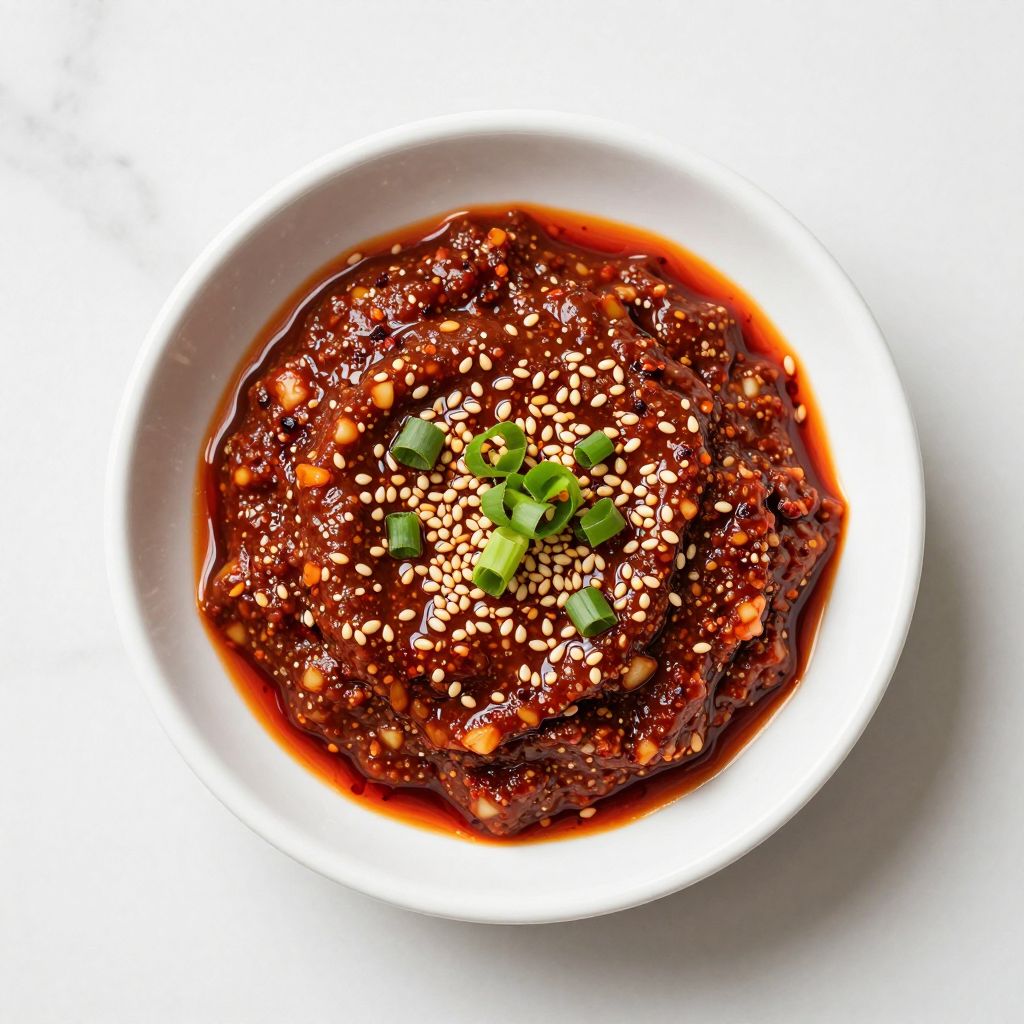
This Korean dipping sauce and marinade combines spicy gochugaru (red chili flakes), umami-rich miso and soy sauce, and aromatic garlic and sesame into one incredible condiment that transforms grilled meat, rice wraps, and vegetables.
Once you taste homemade ssamjang, you’ll find yourself spooning it onto everything from grilled pork belly to roasted vegetables.
Why You’ll Love This Recipe
Ssamjang delivers restaurant-quality flavor with pantry staples you probably already have on hand.
- Ready in under 10 minutes with zero cooking required
- Deeply savory and spicy with a touch of sweetness for balance
- Works as a dipping sauce, marinade, or condiment for nearly any protein
- Keeps in the fridge for weeks, so you always have it when hunger strikes
- Naturally vegetarian and easily adaptable to dietary needs
My Experience Making This Recipe
The first time I made ssamjang at home, I couldn’t believe how simple it was.
I mixed the ingredients in a small bowl, tasted it, and immediately understood why Korean restaurants guard their versions so carefully.
My kitchen filled with the aroma of toasted sesame and garlic, and within minutes I had a sauce that rivaled anything I’d ordered out.
I’ve since made it dozens of times, always with the same result: people asking what magical ingredient makes my grilled meat taste so good.
The beauty of ssamjang is that it transforms simple grilled proteins into something special without any fuss.
Recipe Overview
- Recipe Name: Homemade Ssamjang
- Servings: Makes about 3/4 cup (12 servings as a condiment)
- Prep Time: 5 minutes
- Cook Time: 0 minutes
- Total Time: 5 minutes
- Course: Condiment, Sauce
- Cuisine: Korean
- Calories per Serving: 25
Equipment You Will Need
- Small mixing bowl
- Spoon or small whisk
- Measuring spoons
- Measuring cups
- Airtight glass jar for storage
- Garlic mincer or fine grater (optional but helpful)
Ingredients for Ssamjang
- Gochugaru (Korean red chili flakes): 3 tablespoons
- Doenjang (Korean soybean paste): 2 tablespoons
- Soy sauce: 1 tablespoon
- Sesame oil: 1 tablespoon
- Garlic: 3 cloves, minced very fine
- Rice vinegar: 1/2 teaspoon
- Sugar: 1/2 teaspoon
- Water: 1 to 2 tablespoons (to reach desired consistency)
- Sesame seeds (white, toasted): 1/2 teaspoon, optional for garnish
Ingredient Notes and Substitutions
- Gochugaru: These Korean red chili flakes deliver the signature heat and color without overpowering bitterness. If you can’t find them, use half the amount of cayenne pepper, though the flavor will be slightly different and less complex.
- Doenjang: This fermented soybean paste provides deep umami and a slightly funky depth that defines ssamjang. Miso paste (especially red miso) works as a substitute but use slightly less since it’s saltier.
- Sesame oil: The toasted variety is essential for authentic flavor; it’s not interchangeable with neutral oils. There’s no true substitute if you want authentic ssamjang, so hunt it down at any Asian market.
- Garlic: Fresh minced garlic is non-negotiable here; the raw bite is part of the appeal. Garlic powder can work in a pinch (use 1/4 teaspoon), but fresh is always superior.
- Rice vinegar: This adds a subtle brightness that prevents the sauce from feeling flat. White vinegar or apple cider vinegar can substitute but reduce to 1/4 teaspoon to avoid overpowering the other flavors.
How to Make Ssamjang
Step 1: Prepare Your Workspace
Grab a small mixing bowl and arrange all your ingredients nearby so you can work quickly and efficiently.
Having everything ready means you won’t miss any ingredient or get distracted midway through mixing.
Step 2: Measure the Gochugaru
Spoon 3 tablespoons of gochugaru into your bowl as the flavor foundation of your ssamjang.
Gochugaru has a moderate heat level that builds slightly as you eat it, so this amount creates authentic ssamjang heat without crossing into unbearable territory.
Step 3: Add the Soybean Paste
Add 2 tablespoons of doenjang directly to the gochugaru, pressing it gently against the bowl with your spoon to begin breaking it apart.
The doenjang will be thick and chunky at first, which is completely normal and expected.
Step 4: Incorporate the Soy Sauce
Pour in 1 tablespoon of soy sauce, which adds saltiness and additional umami depth to your paste.
This liquid helps begin the process of pulling everything together into a more cohesive mixture.
Step 5: Add the Sesame Oil
Drizzle in 1 tablespoon of toasted sesame oil, which brings a rich, nutty aroma and flavor that makes ssamjang instantly recognizable.
Sesame oil is the ingredient that separates homemade ssamjang from any other spicy paste, so don’t skip or substitute it.
Step 6: Mix in the Garlic
Fold in your 3 minced garlic cloves using gentle stirring motions to distribute them evenly throughout the paste.
Garlic should be minced as fine as possible so it distributes evenly and you get a bit in every spoonful without large chunks.
Step 7: Add Acid and Sweetness
Stir in 1/2 teaspoon of rice vinegar and 1/2 teaspoon of sugar, which brighten the overall flavor and prevent the sauce from tasting one-dimensional.
The vinegar provides a subtle tang while the sugar rounds out the heat with a touch of sweetness.
Step 8: Adjust Consistency with Water
Add 1 tablespoon of water at a time while stirring, tasting after each addition until you reach your preferred consistency.
Some people like ssamjang thicker for dipping, while others prefer it slightly looser so it spreads easily as a condiment; neither is wrong, so go with what feels right for how you plan to use it.
Step 9: Taste and Fine-Tune
Take a small spoon and taste your ssamjang, noting whether it needs more salt (add a pinch of soy sauce), more heat (gochugaru), or more savory depth (a tiny bit more doenjang).
The final product should taste spicy, savory, garlicky, and slightly sweet with a nutty sesame finish.
Step 10: Transfer to Storage
Spoon your finished ssamjang into a clean airtight jar for storage in the refrigerator, where it keeps beautifully for three to four weeks.
If you want to garnish it, sprinkle a light pinch of toasted sesame seeds on top right before serving for visual appeal.
Pro Tip: Let your finished ssamjang sit at room temperature for 15 minutes before serving so the flavors meld together and the heat softens slightly, creating a more rounded taste experience.
Tips for the Best Ssamjang
- Mince your garlic as finely as humanly possible so it disappears into the paste rather than creating chewy bits that make people uncomfortable.
- Use toasted sesame oil, not regular; they taste completely different and regular won’t give you the authentic ssamjang experience you’re after.
- Start with less water than you think you need and add gradually, since it’s much easier to thin it out than to thicken it back up.
- Let finished ssamjang rest in the fridge for at least one hour before serving so the flavors have time to marry and develop.
- Taste as you go and make notes of any adjustments so you can replicate your perfect batch next time you make it.
- If your ssamjang becomes too thick during storage, simply stir in a few drops of sesame oil or water to restore the creamy consistency.
Common Mistakes to Avoid
- Using regular (light) sesame oil instead of toasted sesame oil destroys the signature nutty flavor and leaves your ssamjang tasting generic and flat.
- Skipping the garlic or using pre-minced garlic loses the fresh bite and pungency that makes ssamjang special.
- Adding too much water upfront creates a soupy mess that’s impossible to salvage; go slowly and adjust gradually instead.
- Forgetting the rice vinegar and sugar makes the sauce one-dimensional and overly spicy without balance or complexity.
- Not mincing the garlic finely enough leaves you with chunks that create an unpleasant eating experience and don’t distribute evenly through the paste.
Serving Suggestions
Ssamjang shines brightest when paired with grilled proteins and fresh vegetables that balance its bold, spicy character.
- Grilled beef bulgogi or Korean short ribs (galbi) with lettuce wraps and white rice
- Grilled pork belly with perilla leaves, sliced garlic, and white onion
- Roasted or grilled chicken breast as a dipping sauce alongside sesame-toasted rice
- Vegetable platters with cucumber, bell peppers, zucchini, and mushrooms for a vegetarian Korean BBQ spread
- Mixed into mayo for a Korean-inspired sandwich spread that adds serious flavor and heat
Variations to Try
- Spicier Version: Increase gochugaru to 4 tablespoons if you love intense heat and want to challenge your tolerance; the extra chili flakes create a fire-breathing ssamjang without sacrificing flavor balance.
- Sweet and Spicy: Add 1 teaspoon of honey or agave syrup for a version that leans into sweetness; this works beautifully if you’re serving it to people who find pure heat intimidating.
- Umami Boost: Stir in 1/4 teaspoon of white miso powder or add 1/2 teaspoon of fish sauce for an even deeper savory profile that makes meat taste impossibly flavorful.
- Herbaceous Version: Add 1 tablespoon of finely minced fresh scallions or chives right before serving for a fresh, oniony brightness that cuts through the richness of grilled meat.
- Chunky Garden Style: Fold in minced cucumber, julienned carrot, and toasted peanuts for a textured ssamjang that’s more of a full vegetable side dish.
Dietary Adaptations
- Gluten-Free: Make sure your soy sauce and doenjang are certified gluten-free or use tamari and chickpea miso as substitutes; most ssamjang ingredients are naturally gluten-free, so it’s really about checking those two items.
- Dairy-Free: This recipe is naturally dairy-free since it contains no milk, cheese, or butter of any kind.
- Vegan and Vegetarian: Ssamjang is already fully vegan and vegetarian as written; the fermented pastes and soy sauce contain no animal products.
- Low-Carb and Keto: Ssamjang is naturally low in carbs at roughly 1 gram per tablespoon, making it excellent for keto diets; the sugar content is minimal and can be omitted entirely if needed.
Storage and Reheating
Refrigerator
Transfer your finished ssamjang to a clean, airtight glass jar and store it in the fridge where it keeps for three to four weeks without any quality loss.
- Keep the jar sealed tightly to prevent the paste from absorbing refrigerator odors
- Always use a clean spoon when scooping out sauce to prevent contamination
- The paste may separate slightly with oil rising to the top; simply stir before serving
Freezer
Ssamjang doesn’t freeze particularly well since the texture changes when thawed, but you can freeze it in ice cube trays if you want individual portions for later.
- Freeze in small portions so you only thaw what you need
- Transfer frozen cubes to a freezer bag once solid for better space efficiency
- Use frozen ssamjang within two months for best quality
Reheating
Ssamjang doesn’t need reheating since it’s a cold condiment meant to be served at room temperature or chilled.
- Remove from the fridge 15 minutes before serving to allow flavors to bloom
- If it’s thickened from cold storage, stir in a tiny splash of sesame oil to loosen it
- Never heat ssamjang directly since high temperatures destroy its fresh garlic bite and sesame aroma
Nutrition Information
| Nutrient | Amount |
|---|---|
| Calories | 25 |
| Total Fat | 2g |
| Saturated Fat | 0.3g |
| Carbohydrates | 1g |
| Fiber | 0.2g |
| Sugar | 0.4g |
| Protein | 1g |
| Sodium | 380mg |
| Cholesterol | 0mg |
These values represent a single serving of roughly 1 tablespoon of finished ssamjang as a condiment.
Frequently Asked Questions
Can I make ssamjang without gochugaru?
You can substitute with cayenne pepper at half the amount, but the flavor won’t be authentic since gochugaru has a more complex heat profile. For the best result, order gochugaru online if you can’t find it locally, since it’s worth the effort.
How long does homemade ssamjang really last?
Properly stored in an airtight jar in the fridge, ssamjang keeps for three to four weeks without any safety concerns. I’ve personally kept it for six weeks and it was still fine, though the garlic flavor faded slightly.
What’s the difference between ssamjang and gochujang?
Gochujang is a thick, fermented chili paste sold as a standalone ingredient, while ssamjang is a seasoned dipping sauce made from gochugaru, doenjang, garlic, and other ingredients. Gochujang is spicier and more fermented-tasting, while ssamjang is fresher and more herbaceous.
Can I use miso instead of doenjang?
Red miso works as a substitute but use about 1.5 tablespoons since it’s saltier than doenjang, and the flavor will be slightly different. Doenjang has a funkier, more fermented taste that’s really the heart of authentic ssamjang.
Is ssamjang supposed to be spicy?
Yes, ssamjang should have a noticeable heat level that builds as you eat it, though it shouldn’t be overwhelming. If you find it too spicy, add more doenjang or reduce the gochugaru next time.
Can I eat ssamjang straight or do I need to pair it with something?
You technically can eat it straight by the spoonful, but it’s intensely flavored and best enjoyed as a condiment alongside grilled meat, rice, and fresh vegetables. The combination of textures and flavors makes each bite better than eating the ssamjang alone.
Final Thoughts
Making ssamjang at home transforms the way you approach Korean grilled dishes and weekend barbecues.
Once you realize how simple and rewarding this condiment is, you’ll find yourself making it regularly and keeping a jar stocked at all times.
The best part about homemade ssamjang is that you control every element, from heat level to garlic intensity, creating a version that’s perfectly tuned to your preferences.
Grab those Korean ingredients and spend five minutes making this
Homemade Ssamjang
Ingredients
Equipment
Method
- Grab a small mixing bowl and arrange all your ingredients nearby so you can work quickly and efficiently.
- Spoon 3 tablespoons of gochugaru into your bowl as the flavor foundation of your ssamjang.
- Add 2 tablespoons of doenjang directly to the gochugaru, pressing it gently against the bowl with your spoon to begin breaking it apart.
- Pour in 1 tablespoon of soy sauce, which adds saltiness and additional umami depth to your paste.
- Drizzle in 1 tablespoon of toasted sesame oil, which brings a rich, nutty aroma and flavor.
- Fold in your 3 minced garlic cloves using gentle stirring motions to distribute them evenly throughout the paste.
- Stir in 1/2 teaspoon of rice vinegar and 1/2 teaspoon of sugar, which brighten the overall flavor and prevent the sauce from tasting one-dimensional.
- Add 1 tablespoon of water at a time while stirring, tasting after each addition until you reach your preferred consistency.
- Take a small spoon and taste your ssamjang, noting whether it needs more salt, more heat, or more savory depth. The final product should taste spicy, savory, garlicky, and slightly sweet with a nutty sesame finish.
- Spoon your finished ssamjang into a clean airtight jar for storage in the refrigerator, where it keeps beautifully for three to four weeks. If you want to garnish it, sprinkle a light pinch of toasted sesame seeds on top right before serving.
- Let your finished ssamjang sit at room temperature for 15 minutes before serving so the flavors meld together and the heat softens slightly, creating a more rounded taste experience.