
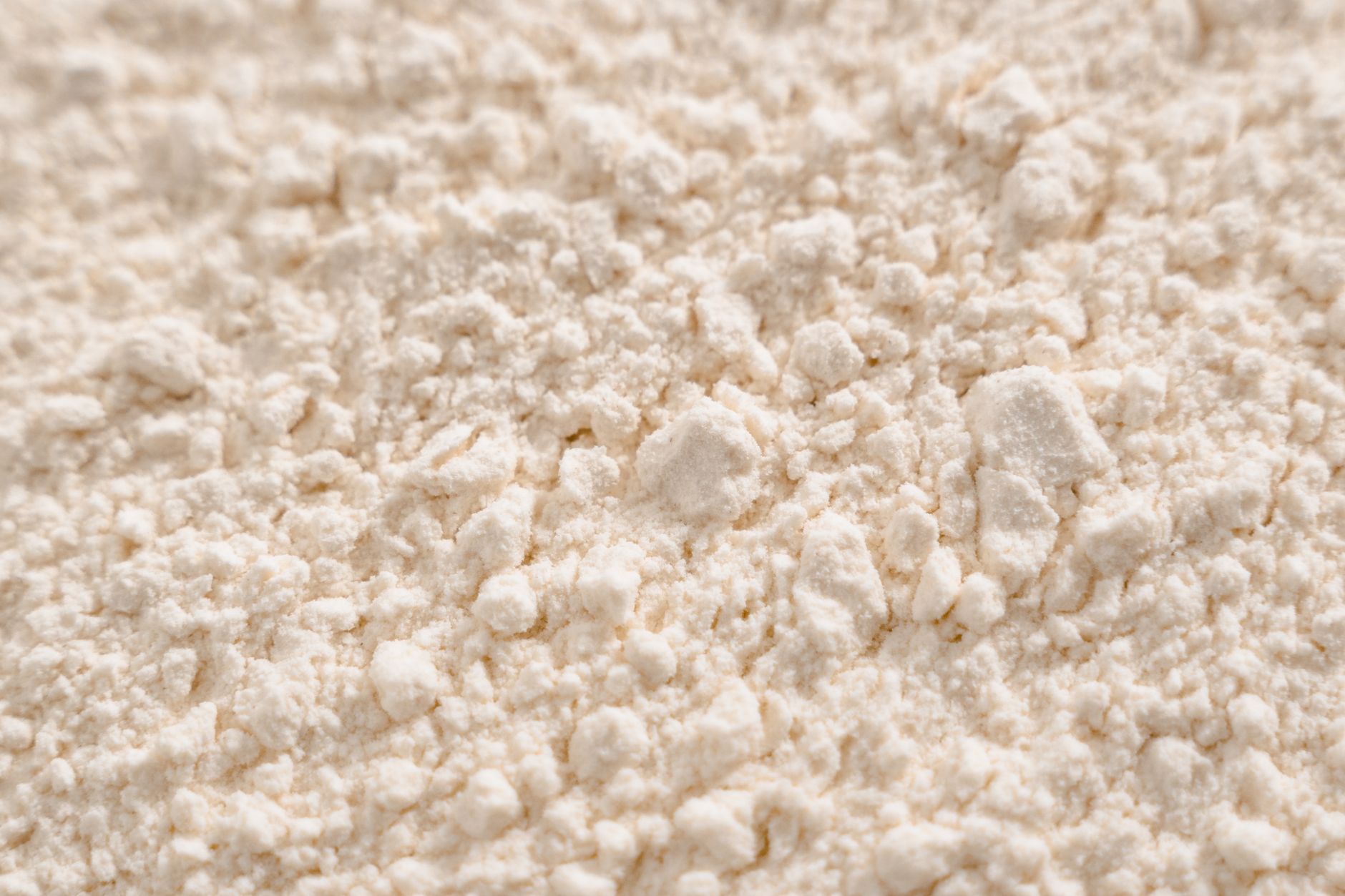
Baking powder is a vital leavening agent used in countless recipes across the culinary world. Its primary function is to help baked goods rise, resulting in a light and fluffy texture that is beloved in everything from cakes to biscuits. Understanding how baking powder works can enhance your baking skills and ensure your creations turn out as intended.
This article delves into what baking powder is, its components, how it functions, and the best ways to use it in your baking endeavors. Whether you’re just starting out or looking to refine your skills, this guide will provide a thorough understanding of baking powder and its practical applications.
What Is Baking Powder For?
Baking powder is used primarily as a leavening agent in baking. It comprises a mixture of an acid and a base, usually baking soda (sodium bicarbonate) combined with a powdered acid such as cream of tartar. When wet and heated, baking powder generates carbon dioxide gas, which causes dough and batter to expand and rise. This process is essential for creating light, airy textures in baked goods.
Components of Baking Powder
Baking powder typically consists of three main components:
- Baking Soda: This is the base component that reacts with acids to create carbon dioxide.
- Acid: Common acids used in baking powder include cream of tartar and sodium aluminum sulfate. These ensure that the baking powder can release gas at different temperatures.
- Starch: Cornstarch or other starches are often added to absorb moisture, preventing the baking powder from reacting prematurely during storage.
Types of Baking Powder
Two main types of baking powder are commonly used in baking: single-acting and double-acting.
Single-Acting Baking Powder
This type of baking powder is activated by moisture. Once it is combined with a wet ingredient, it begins to produce carbon dioxide gas immediately. This means that recipes using single-acting baking powder must be mixed and baked quickly to achieve the best rise.
Double-Acting Baking Powder
Double-acting baking powder is more commonly used because of its versatility. It contains two acids that react at different stages. The first reaction occurs when the powder is mixed into wet ingredients, generating some gas immediately. The second reaction takes place when the mixture is heated, providing additional leavening power. This allows for more flexibility in baking, as the batter can rest without losing the leavening effect.
How Baking Powder Works
The effectiveness of baking powder relies on a few key chemical reactions. The process works as follows:
When baking powder is mixed into a batter or dough, it activates once it comes into contact with moisture. The acid in the baking powder reacts with the baking soda, producing carbon dioxide gas. This gas forms bubbles in the batter, which causes it to rise. The heat from the oven intensifies the reaction, causing more gas to be released, which further increases the volume of the baked goods.
When to Use Baking Powder
Baking powder is specifically used in recipes that do not require yeast to rise. It functions best in the following scenarios:
- Cakes: Most cake recipes use baking powder to achieve a light crumb.
- Bread: Quick breads, such as banana bread or cornbread, typically rely on baking powder for leavening instead of yeast.
- Pancakes and Waffles: These breakfast favorites often use baking powder for their fluffy textures.
- Muffins: Baking powder helps muffins rise and create a tender crumb.
How to Use Baking Powder Effectively
Using baking powder correctly can significantly impact the texture and rise of your baked goods. Consider the following tips for effective use:
1. Measure Correctly
Always measure baking powder accurately. Using too much can lead to an unpleasant taste, while too little can result in dense baked goods. Use a measuring spoon, and level it off with a straight edge for precision.
2. Check Expiration Dates
Baking powder can lose its effectiveness over time. Check the expiration date and test for potency if you’re uncertain by mixing a teaspoon of baking powder with hot water. If it bubbles vigorously, it’s still good to use.
3. Mix Dry Ingredients First
For optimal distribution, mix baking powder with your dry ingredients before adding wet ingredients. This ensures even leavening throughout the batter or dough.
4. Don’t Overmix
Once you combine wet and dry ingredients, mix just until combined. Overmixing can develop the gluten in the flour, leading to tougher baked goods and inhibiting rise.
5. Bake Immediately
For recipes using single-acting baking powder, bake immediately after mixing to capture the initial gas release. With double-acting baking powder, while there is some leeway due to the second reaction, baking too long after mixing can still affect rise.
Common Mistakes When Using Baking Powder
Understanding common pitfalls can help improve your baking results:
1. Using Baking Soda Instead
Baking soda and baking powder are not interchangeable. Baking soda requires an acid to activate, while baking powder contains both the acid and the base necessary for leavening. Using baking soda in place of baking powder without adding an acid will lead to dense results.
2. Not Checking for Freshness
As mentioned, expired baking powder loses potency. Always check for freshness to avoid disappointing results.
3. Baking Too Early or Too Late
Timing matters. Baking immediately after mixing is crucial for recipes requiring single-acting baking powder. With double-acting, while you can let it sit briefly, avoid long delays to maintain optimal rise.
4. Overworking the Batter
Overmixing can reduce the air incorporated and create a tougher texture. Mix until just combined for best results.
Substituting Baking Powder
If you find yourself without baking powder, you can make a substitute using common kitchen ingredients:
DIY Baking Powder
To create your own baking powder, combine these ratios:
- 1 teaspoon baking soda
- 2 teaspoons cream of tartar
This combination will create a similar leavening effect to commercial baking powder.
Using Baking Soda and Vinegar
You can also use baking soda alongside an acid like vinegar or lemon juice. For every teaspoon of baking powder needed, combine 1/4 teaspoon of baking soda with 1/2 teaspoon of vinegar or lemon juice in your wet ingredients. Adjust the recipe to account for the additional liquid.
Serving and Pairing Tips for Baked Goods
Once your baked goods are out of the oven, serving them the right way can enhance the overall experience:
1. Pairing with Toppings or Fillings
Many baked goods can benefit from added toppings or fillings. For cakes, consider frostings, fruit preserves, or whipped cream. Muffins can be served with butter or honey, while pancakes and waffles pair well with maple syrup, fruit, or yogurt.
2. Appropriate Pairings
Consider the flavor profile of your baked goods when choosing complementary flavors. For example, chocolate cake pairs wonderfully with berry sauces or coffee-flavored fillings, while lemon muffins can be brightened with a lemon glaze.
3. Presentation Matters
Take care in presenting your baked goods. Simple plating can make a cake or muffin more appealing. Use vibrant fruit garnishes, elegant napkins, or elegant cake toppers to elevate the experience.
Storing Baked Goods
Correct storage of your baking creations is crucial to maintain quality and freshness.
Cooling Before Storage
Allow baked goods to cool completely on wire racks before storing. This prevents condensation from forming, which can lead to sogginess.
Storage Options
- Countertop: Most baked goods are best stored in airtight containers at room temperature for up to three days.
- Refrigerator: Cakes or muffins with cream cheese or dairy-based frostings should be refrigerated to maintain safety and freshness.
- Freezer: For longer storage, wrap baked goods tightly in plastic wrap and then place them in a freezer bag. Most baked goods freeze well for up to three months.
Reheating Tips
When reheating baked goods, aim for consistency in temperature. For muffins or bread, a quick stint in the oven can breathe new life back into them, while cakes can be microwaved briefly to take the chill off.
Conclusion
Understanding baking powder is key to successful baking. By knowing its composition, types, and best practices, you can consistently create light and fluffy baked goods. Experimenting with different recipes while paying attention to these tips will lead to delightful results every time.
For further exploration, consider learning about the differences between bleached and unbleached flour or what shortening is in baking by checking out those guides. Enhance your baking skills further while enjoying the joyous process of creating delicious baked goods.