
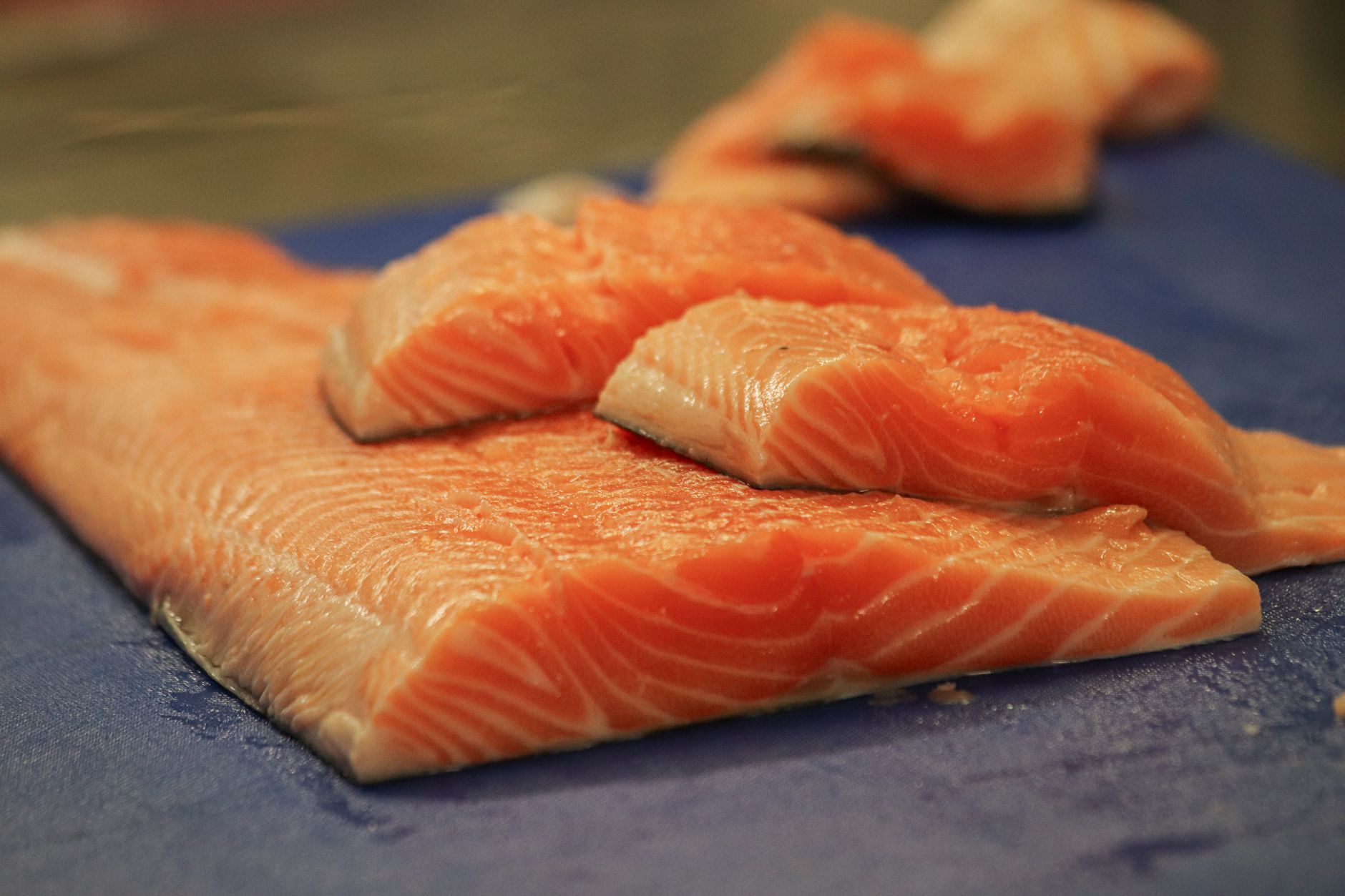
Trout and salmon are two popular types of fish that often find their way onto dinner plates around the world. While they belong to the same family, the differences in their flavor profiles, textures, and even cooking methods can be significant. Understanding these similarities and differences can help you choose the right fish for your meals.
This article will explore the characteristics of trout and salmon, discuss their nutrition, flavor, and cooking uses, and offer insight into substitutions between the two. By the end, you should have a clear understanding of when to use each fish and how to prepare them effectively.
Is Trout Similar to Salmon?
Yes, trout is similar to salmon in several ways; both belong to the Salmonidae family and share flavors and nutritional benefits. However, they also differ significantly in terms of taste, texture, and culinary uses, which can influence your cooking choices.
Understanding the Basics: Trout vs. Salmon
To fully appreciate the similarities and differences between trout and salmon, it’s essential to understand their characteristics separately.
Trout
Trout, primarily found in freshwater, is known for its delicate flavor and tender texture. The most common types of trout include rainbow, brown, and lake trout. These fish are often characterized by their colorful skin, which can range from a silvery hue to deep green or brown with distinctive spots. Trout meat is generally lighter in color—typically pink or white—and has a mild flavor that makes it versatile for various dishes.
Salmon
Salmon, on the other hand, predominantly inhabits the ocean but returns to freshwater to spawn. The most popular varieties of salmon include Atlantic and Pacific salmon types, such as sockeye, coho, and chinook. Salmon has a richer, more pronounced flavor compared to trout, and its flesh is typically deeper pink or reddish, often referred to as “salmon pink.” The fat content in salmon is higher than that of trout, contributing to its lush texture and robust taste.
Flavor Profiles
The flavor of trout is often described as mild and nutty, while salmon offers a stronger, more robust taste, especially in varieties like sockeye. When deciding which fish to cook, consider the following:
- Trout: Best suited for subtle seasoning, trout pairs well with citrus, light herbs, and butter-based sauces that enhance its natural flavors.
- Salmon: With its bold flavor, salmon stands up well to stronger ingredients like soy sauce, teriyaki, and rich marinades.
Nutritional Benefits
Both trout and salmon provide valuable nutrients, making them healthy choices in a balanced diet. Here’s a general breakdown:
- Trout: Rich in protein, omega-3 fatty acids, B vitamins, and selenium, trout offers anti-inflammatory benefits and supports heart health.
- Salmon: High in omega-3s, protein, and vitamin D, salmon helps with brain function, reduces inflammation, and supports cardiovascular health.
In terms of calories, salmon is generally higher due to its fat content, but the fats offered are heart-healthy monounsaturated and polyunsaturated fats.
Cooking Techniques for Trout and Salmon
Both fish can be prepared using various cooking techniques, ensuring versatility in the kitchen. Here are some popular methods for each:
Cooking Trout
For trout, consider the following cooking methods:
- Baking: Bake trout fillets in the oven at 375°F (190°C) for about 15-20 minutes, depending on thickness. The fish is done when it flakes easily with a fork.
- Grilling: Grill whole trout by placing them directly on the grill or using a fish basket. Grill over medium heat for 6-10 minutes on each side.
- Pan-Seering: Lightly coat trout fillets with oil and cook in a skillet over medium-high heat for about 4-5 minutes per side until golden brown.
- Poaching: Poach trout fillets in seasoned water or broth on low heat for about 10-15 minutes until cooked through.
Cooking Salmon
For salmon, consider these cooking methods:
- Baking: Bake salmon fillets at 400°F (200°C) for 12-15 minutes. Salmon is done when it reaches an internal temperature of 145°F (63°C).
- Grilling: Grill salmon steaks or fillets over medium heat, skin-side down, for about 6-8 minutes per side, or until the fish flakes easily.
- Broiling: Broil salmon fillets about 6 inches from the heat source for 6-8 minutes. Watch closely to avoid overcooking.
- Smoking: Smoke salmon for a unique flavor; this can be done using a stovetop smoker or a traditional outdoor smoker.
Combining Trout and Salmon in Dishes
When recipes call for one or the other, can they be interchanged? Generally, yes, but some considerations must be addressed. Use the following guidelines:
- When substituting trout for salmon, opt for recipes that lean toward milder flavors, as trout’s taste is less robust.
- When substituting salmon for trout, consider the higher fat content, which may require adjustments in cooking time or method to ensure proper cooking and texture.
Ingredient Substitutions
If you’re looking to substitute trout for salmon or vice-versa, here are some practical tips:
- If a recipe calls for salmon, choose an equal amount of trout as a substitute. However, be aware that trout may cook faster.
- As a general rule, a 1:1 substitution is best; adjust cooking times as trout is typically thinner and more delicate.
- For firmer dishes such as fish cakes or patties, salmon may hold up better due to its higher fat content.
Common Mistakes and Troubleshooting
Even with a good understanding of both types of fish, mistakes can happen. Here are some common pitfalls and how to avoid them:
- Overcooking: Both trout and salmon can become dry if overcooked. Use a meat thermometer to ensure salmon reaches 145°F (63°C) and trout remains moist.
- Wrong Seasoning: Avoid overpowering the fish with too many strong spices. Let their natural flavors shine through with simple seasonings.
- Cooking Skin-side Up: When grilling or pan-searing, always cook salmon and trout skin-side down first for optimal crisping and moisture retention.
Serving Suggestions
Once your fish is perfectly cooked, consider these serving suggestions:
- Pair trout with lemon butter sauce, steamed vegetables, or a light salad.
- Serve salmon with a rich dill cream sauce, roasted potatoes, or quinoa salad.
- For both fish, a sprinkle of fresh herbs like parsley or dill can elevate the dish beautifully.
Meal Planning with Trout and Salmon
Incorporating trout and salmon into your meal planning can help create diverse meals throughout the week. Consider these meal ideas:
- For a simple weeknight dinner, bake salmon with asparagus or green beans for a nutritious, well-rounded meal.
- Prepare trout as a healthy lunch option with a side of quinoa salad for a satisfying and filling meal.
- Create a fish taco night featuring either trout or salmon, paired with fresh toppings like avocado, mango salsa, and cabbage slaw.
Storage and Reheating
When it comes to leftover fish, proper storage and reheating practices are crucial:
- Store cooked trout or salmon in an airtight container in the refrigerator for up to 3 days. Ensure they are cooled before refrigerating.
- To reheat, warm the fish gently in the oven at 300°F (150°C) for about 10-15 minutes until warmed through.
- Avoid microwaving, as this can cause the fish to become rubbery and dry.
Understanding the differences and similarities between trout and salmon can help you make the best culinary choices for your meals. Both fish are delicious and nutritious, with varying flavor profiles and textures to enjoy.
Now that you’re familiar with trout and salmon, consider diving into some related recipes and cooking methods to bring these flavorful fish to the table. For example, check out our guide on cooking tilapia for more fish recipes or explore our steelhead trout recipe for a unique twist on trout cooking.