
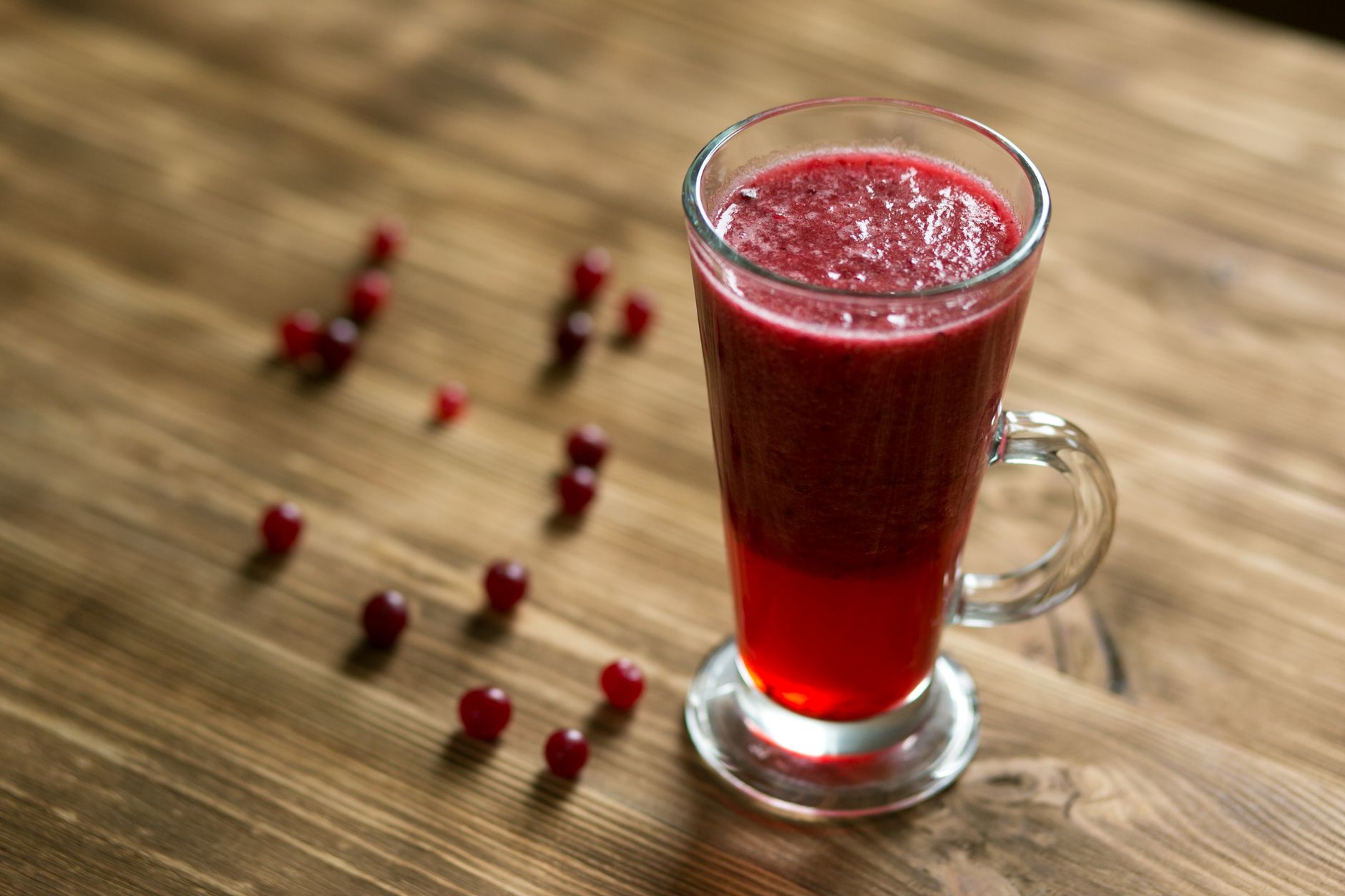
Cranberry juice is often touted for its health benefits, but many wonder if it can help alleviate an upset stomach. In this article, we will explore the properties of cranberry juice and whether it can provide relief for gastrointestinal discomfort. Are its nutrients effective against nausea, bloating, or indigestion? Read on to discover the potential benefits and downsides of including cranberry juice in your diet if you’re feeling unwell.
Understanding how cranberry juice affects digestion is essential. While it may not be a panacea for all stomach issues, its unique properties might offer some relief. Let’s dive deeper into the connection between cranberry juice and digestive health, including its composition, potential benefits, common uses, and more.
Is Cranberry Juice Good for Upset Stomach?
Yes, cranberry juice can be beneficial for an upset stomach in certain situations. It contains antioxidants and anti-inflammatory properties, which may help soothe gastrointestinal distress. However, its effectiveness depends on the individual and the nature of the stomach issue.
The Nutritional Profile of Cranberry Juice
Cranberry juice is known for its rich nutrient content. Below are some key components that contribute to its potential health effects:
- Antioxidants: Rich in flavonoids and vitamin C, cranberry juice helps neutralize free radicals that can cause damage to cells.
- Anti-inflammatory properties: Compounds in cranberries may reduce inflammation, potentially aiding digestive troubles.
- Acidity: Its natural acidity can stimulate digestion and help break down food more effectively.
- Dietary fiber: While cranberry juice itself contains little fiber, whole cranberries offer fiber that aids digestion.
- Hydration: Being primarily water, cranberry juice can help keep you hydrated, an important aspect when dealing with gastrointestinal issues.
How Cranberry Juice Affects the Stomach
Cranberry juice may help upset stomachs in several ways. Here’s how:
1. Alleviating Nausea
The tart flavor of cranberry juice can sometimes stimulate the taste buds, helping to reduce feelings of nausea. The acidity can trigger a response in the stomach lining that may ease discomfort.
2. Reducing Bloating
Cranberry juice can help flush out excess water retention due to its mild diuretic effects. This can help decrease feelings of bloating, particularly if the bloating is connected to digestive issues.
3. Supporting Digestive Health
The antioxidants and anti-inflammatory properties may aid in maintaining a healthy gastrointestinal system, potentially reducing the frequency of upset stomachs over time.
4. Preventing Infections
Cranberry juice is widely recognized for its ability to prevent urinary tract infections (UTIs). While this is not directly related to stomach issues, a healthy gut and urinary tract can contribute to overall well-being.
When Cranberry Juice May Not Help
While cranberry juice does have beneficial properties, there are some scenarios where it might not provide the relief expected for an upset stomach:
1. High Sugar Content
Many commercial cranberry juices are high in sugar, which can aggravate an upset stomach. It’s better to opt for 100% pure cranberry juice with no added sugars when seeking relief.
2. Acidic Nature
The acidity of cranberry juice might cause discomfort in individuals with acid reflux or ulcers. If you’re prone to these conditions, it may be wiser to avoid or limit your intake.
3. Individual Reactions
Everyone’s digestive system is different. Some may find cranberry juice helpful, while others may experience increased discomfort. It’s essential to listen to your body’s signals.
How to Incorporate Cranberry Juice into Your Diet
If you decide to try cranberry juice for upset stomach relief, consider the following tips for incorporation:
1. Choose The Right Product
Opt for pure, unsweetened cranberry juice. Check labels to ensure it contains no added sugars or preservatives. If possible, consider making your juice from whole cranberries.
2. Dilute with Water
If the tartness is overwhelming, mixing cranberry juice with water can lessen the acidity, making it easier on the stomach.
3. Drink in Moderation
Start with small amounts to assess your body’s reaction. A half-cup may be advisable, adjusting as needed.
4. Use as a Base for Smoothies
Mix pure cranberry juice into smoothies with yogurt and bananas to create a more soothing beverage. Banana provides potassium, which can help with stomach issues.
5. Combine with Ginger
Ginger is known for its anti-nausea effects. Combining ginger with cranberry juice could create a potent remedy for upset stomachs.
Homemade Cranberry Juice Recipe
If you want to ensure the purity and quality of your cranberry juice, consider making it at home. Below is a simple recipe for homemade cranberry juice.
Yield and Timing
- Yield: About 2 cups of juice
- Preparation Time: 10 minutes
- Cooking Time: 20 minutes
- Total Time: 30 minutes
Ingredients
- 4 cups fresh or frozen cranberries
- 4 cups water
- Optional: 1/4 cup honey or sugar (to taste)
Essential Equipment
- Large pot
- Colander or fine mesh strainer
- Blender (optional, for smoother juice)
- Measuring cups
- Bottle or jar for storage
Method
- In a large pot, combine the cranberries and water. Bring to a boil over medium-high heat.
- Once boiling, reduce the heat to medium-low and let it simmer for about 20 minutes, or until the cranberries have burst.
- Remove from heat and let cool slightly. Use a colander or fine mesh strainer to separate the juice from the solid cranberry pulp.
- If you prefer a smoother juice, blend the pulp with a little water, then strain again. Discard the solids.
- Add honey or sugar if you like, stirring until dissolved. Allow the juice to cool before transferring it to a bottle or jar for storage.
- Store the cranberry juice in the refrigerator for up to one week.
Common Mistakes When Consuming Cranberry Juice for Upset Stomach
To maximize the effectiveness of cranberry juice for upset stomach, avoid these common pitfalls:
1. Choosing Sweetened Varieties
As mentioned, sweetened cranberry juice can exacerbate stomach issues. Always opt for unsweetened options.
2. Overconsumption
Drinking large amounts of cranberry juice may lead to diarrhea or further digestive distress. Moderation is key.
3. Ignoring Personal Reactions
Every person responds differently. If you notice discomfort after consuming cranberry juice, consider discontinuing its use.
Other Natural Remedies for Upset Stomach
If cranberry juice alone doesn’t do the trick, consider trying other natural remedies for stomach upset:
- Ginger Tea: Ginger can help alleviate nausea and improve digestion. Make tea by steeping fresh ginger slices in hot water.
- Chamomile Tea: Chamomile is known for its anti-inflammatory properties and soothing effects on the digestive system.
- Apple Cider Vinegar: Diluted with water, apple cider vinegar may help with digestion and acidity balance.
- Bananas: Gentle on the stomach, bananas can help provide energy and nutrients after an upset.
When to See a Doctor
While cranberry juice may provide some relief, it’s essential to consult a healthcare professional if symptoms persist. Visit a doctor if you experience:
- Severe abdominal pain
- Frequent vomiting
- Blood in stool or vomit
- Persistent diarrhea lasting more than two days
- Signs of dehydration
Conclusion
Cranberry juice can be a helpful addition to your diet for managing an upset stomach under the right conditions. With its antioxidant properties, it may offer some digestive support, though it’s not a cure-all. As always, listen to your body and engage with healthcare professionals for persistent stomach issues.
For more ways to support digestion, explore related resources like What Does Pomegranate Juice Do for You? and What to Eat After Vomiting. Each guide can provide you with additional valuable insights into managing digestive health.