
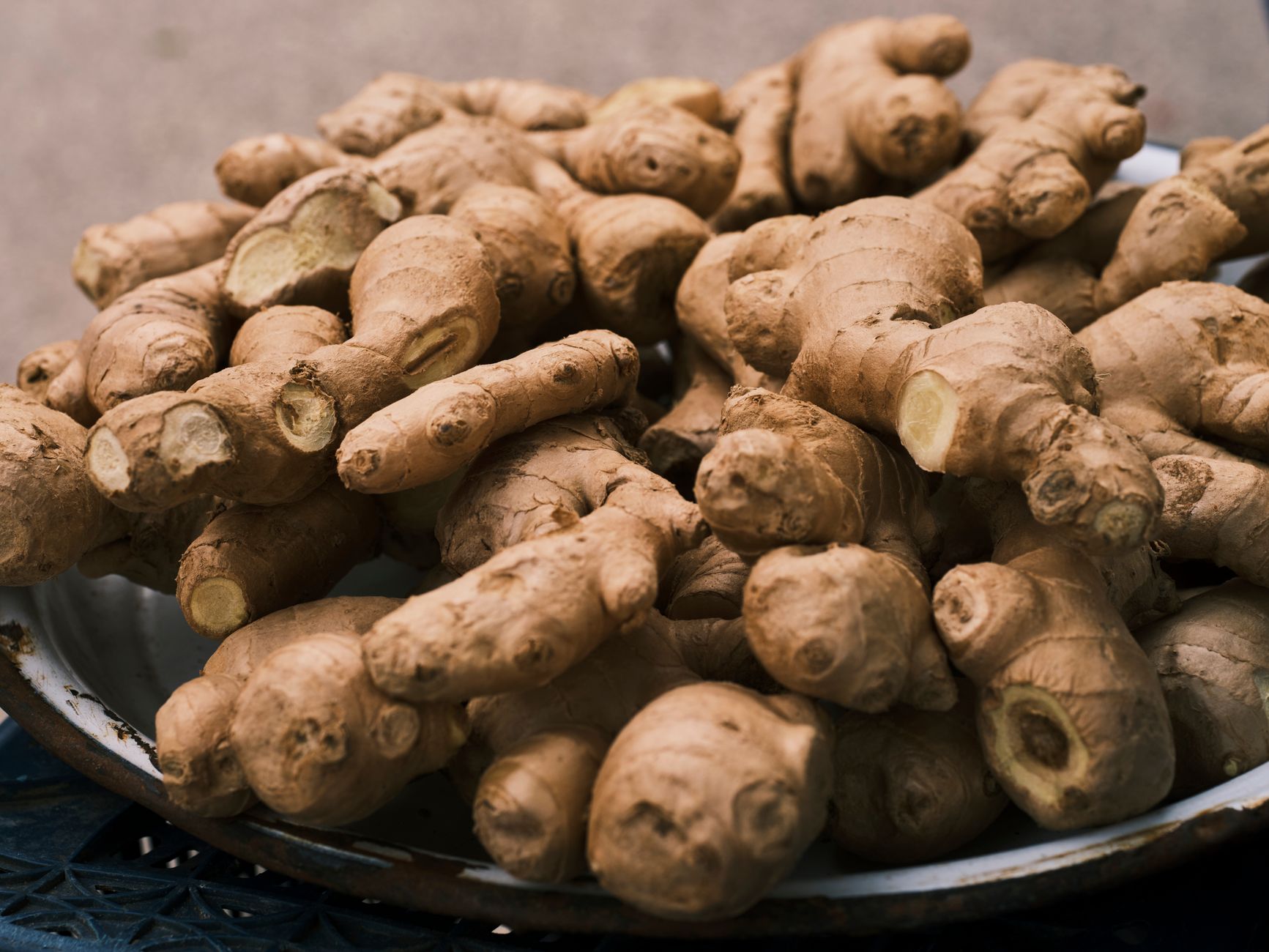
Ginger is well-known for its culinary and medicinal uses, praised for its ability to enhance flavors and aid digestion. However, many people wonder whether this root can lead to digestive issues, particularly diarrhea. Understanding the connection between ginger consumption and gastrointestinal health can help you enjoy this versatile ingredient without undue concern.
This article explores whether ginger can cause diarrhea, incorporating factors such as fiber content, portion sizes, and personal digestion variations. Let’s delve into the complexities of how ginger affects the digestive system.
Does Ginger Cause Diarrhea?
Ginger has been used for centuries as a remedy for various health issues, including nausea and digestive discomfort. For most people, ginger does not cause diarrhea. However, overconsumption or individual sensitivities may lead to gastrointestinal upset in some. Understanding how ginger affects digestion is crucial for anyone including it in their diet.
Understanding Ginger
Ginger, scientifically known as Zingiber officinale, is a flowering plant whose rhizome, commonly referred to as ginger root, is widely used for flavoring in dishes and beverages. Its spicy and somewhat sweet flavor makes it a popular ingredient in various cuisines around the world.
Beyond its culinary uses, ginger has a history of medicinal benefits, particularly in alleviating nausea, motion sickness, and digestive issues. Its active compounds, including gingerol, have anti-inflammatory properties, which can promote digestive health.
Nutritional Profile of Ginger
Ginger is low in calories but rich in essential nutrients. Here is a brief overview of its nutritional profile per 100 grams:
| Nutrient | Amount |
|---|---|
| Calories | 80 |
| Carbohydrates | 18 g |
| Fiber | 2 g |
| Protein | 1.8 g |
| Fat | 0.4 g |
| Vitamin C | 5 mg |
| Magnesium | 43 mg |
Fiber Content and Its Effects
The fiber in ginger, while relatively low compared to other foods, can impact digestion. Every 100 grams of ginger contains approximately 2 grams of dietary fiber. Fiber is essential for promoting regular bowel movements, but an excess can lead to digestive discomfort or diarrhea.
For those sensitive to fiber, consuming large amounts of ginger in a single sitting may cause bloating, cramping, or diarrhea. Hence, it’s crucial to consider portion sizes when integrating ginger into your diet.
Portions: Finding the Right Balance
Portion size plays a significant role in whether ginger may lead to digestive issues. While small amounts of ginger are typically safe and beneficial, consuming it in large quantities may lead to gastrointestinal distress.
Recommended Portions
The general recommendations for ginger consumption include:
- Fresh ginger: 1-2 grams per day.
- Dried ginger: About 0.5-1 gram per day.
- Ginger tea: 1-2 cups daily, brewed with 1-2 grams of fresh ginger.
These amounts provide the health benefits of ginger without overwhelming the digestive system. Adjusting portion sizes based on individual tolerance may be necessary, especially for those who have experienced digestive issues in the past.
Types of Ginger Preparations
Different forms of ginger may affect digestion in diverse ways. Here are some common preparations:
- Fresh Ginger: Used in cooking, smoothies, and teas. Its flavor is the most pronounced.
- Dried Ginger: More concentrated in flavor and heat, often used in baking and spice blends.
- Ginger Tea: A soothing beverage that can be helpful for digestion when consumed in moderation.
- Ginger Juice: Often used in cocktails and smoothies; potent and should be consumed in smaller quantities.
- Pickled Ginger: Commonly served with sushi; generally safe unless consumed in excess.
Personal Sensitivities and Reactions
Every individual’s digestive system is unique, which means that responses to ginger can vary. While many people enjoy ginger without issue, some may find it irritating to their stomachs.
Understanding Your Body’s Response
To gauge whether ginger may cause digestive discomfort, consider the following tips:
- Start with small amounts to assess tolerance.
- Observe your body’s reaction after consuming ginger in any form.
- Gradually increase the intake if no adverse effects are noted.
- Be mindful of other dietary components that might contribute to digestive distress.
Potential Side Effects of Overconsumption
Excessive ginger consumption may lead to a range of digestive problems, including:
- Gas and bloating
- Acid reflux or heartburn
- Diarrhea or loose stools
Staying within recommended portion sizes and paying attention to your body’s signals can help mitigate these risks. If diarrhea occurs consistently after consuming ginger, it may be worth consulting a healthcare professional.
Interactions with Other Foods
Another factor to consider is that ginger can interact with various foods and dietary supplements, potentially influencing digestion.
Foods That May Cause Sensitivity
Combining ginger with certain foods may exacerbate digestive issues, particularly for those with sensitive stomachs. Here are some foods that commonly contribute to discomfort when eaten with ginger:
- Fatty or fried foods: These can slow digestion and compound any gastric upset.
- Dairy: Some individuals may experience lactose intolerance, leading to bloating or diarrhea.
- Spicy foods: While ginger has a spicy profile, consuming it alongside other spices may overwhelm your system.
Cooking and Using Ginger Effectively
When cooking with ginger, paying attention to preparation methods can enhance flavor while minimizing potential digestive issues. Here are some effective ways to use ginger:
Cooking Techniques
Ginger can be used fresh, dried, pickled, or juiced, depending on the desired intensity:
- Fresh Ginger: Peel and slice or grate for marinades, stir-fries, and salads.
- Dried Ginger: Used in baked goods, smoothies, or spice blends.
- Ginger Extract: A concentrated form that can be added in small amounts to drinks or foods for flavor.
Flavor Pairings
To balance the heat of ginger and enhance dishes, consider pairing it with:
- Citrus (lemons, limes, oranges)
- Honey or maple syrup
- Garlic and onions
- Vegetables like carrots or squash
Recipes Featuring Ginger
Incorporating ginger into recipes can be enjoyable and beneficial. Here are a few easy ways to use ginger:
- Ginger Tea: Steep a few slices of fresh ginger in boiling water for a soothing drink.
- Stir-Fried Vegetables: Add grated ginger to your stir-fry for a fragrant taste.
- Ginger Dressing: Blend ginger with sesame oil, soy sauce, and vinegar for a delicious salad dressing.
Storage of Ginger
Proper storage of ginger is essential for maintaining its flavor and potency. Here are some tips on storing fresh ginger:
- Keep it unpeeled in a cool, dry place for up to a week.
- For longer storage, wrap it in a paper towel and place it in a plastic bag in the refrigerator.
- Ginger can also be frozen: peel and slice or grate, then place it in an airtight container or freezer bag.
Conclusion
Ginger is a versatile ingredient with many culinary and health benefits. Although it rarely causes diarrhea, individual reactions can vary based on portion sizes and personal sensitivities. Starting with small amounts and paying attention to how your body reacts can allow you to enjoy ginger without concerns.
If you want to expand your knowledge about ginger, consider exploring its characteristics here, or discover how to prepare ginger syrup for various uses here. Enjoy experimenting with this flavorful root in your cooking!