
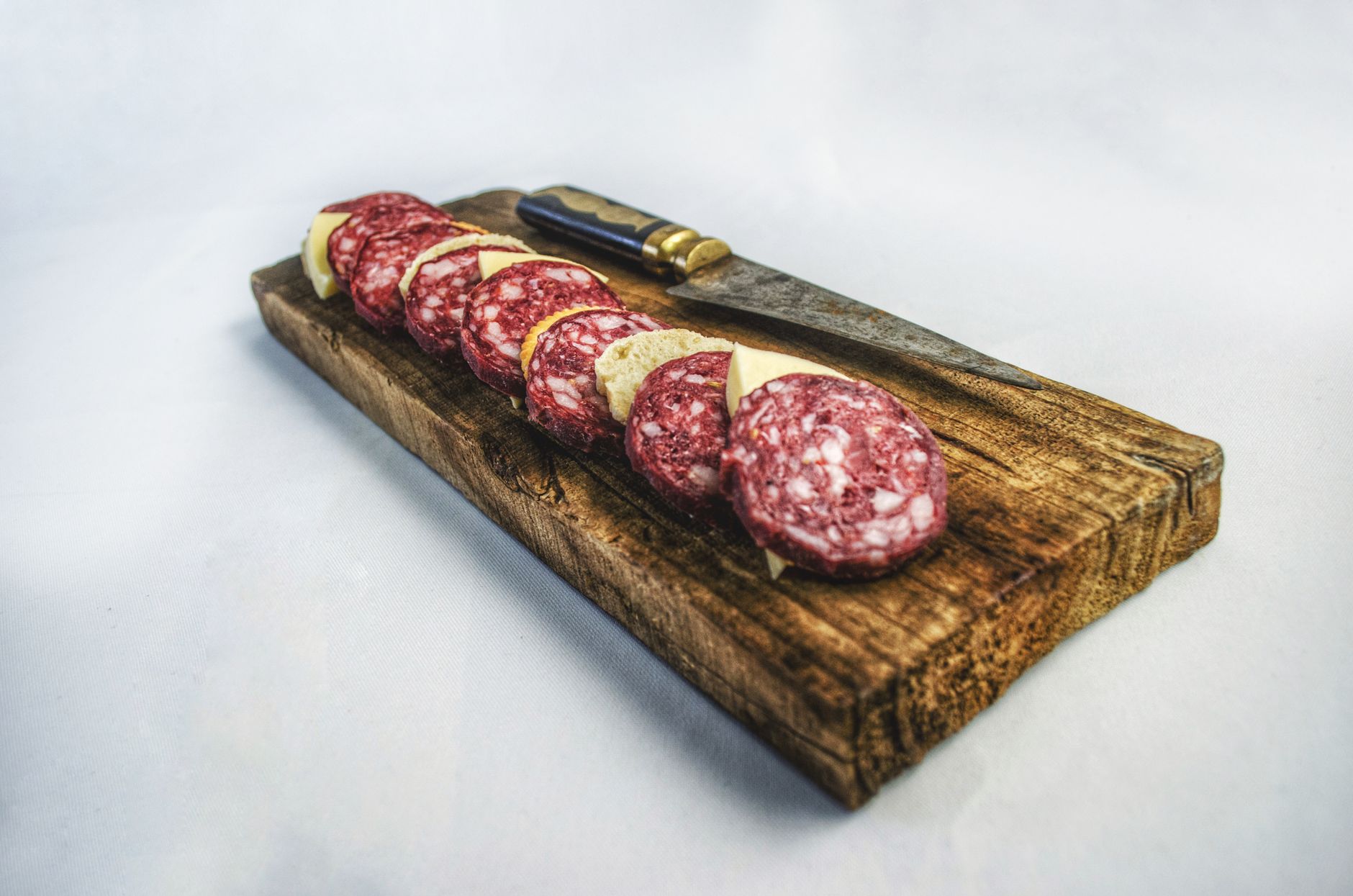
Salami is a popular cured sausage made from various types of meat, most commonly pork, beef, or a combination of both. As its popularity continues to grow, many people wonder whether salami contains gluten, particularly those adhering to gluten-free diets. Understanding the ingredients in salami is key to answering this question.
This article explores whether salami has gluten, what ingredients are commonly used, and how to read labels effectively to ensure that you’re making safe dietary choices. Whether you enjoy salami as part of a charcuterie board, in sandwiches, or as a pizza topping, having accurate information is vital.
Does Salami Have Gluten?
No, traditional salami does not contain gluten. Salami is primarily made from meat, spices, and curing agents. However, gluten can be present in some commercial varieties due to added fillers or specific flavorings. Always check the label to confirm.
Understanding Salami Ingredients
To determine whether salami contains gluten, it’s essential to first understand the typical ingredients found in salami. Salami is mainly composed of:
- Meat: Most commonly, pork, beef, or a mix of different meats.
- Fats: Typically pork fat, which adds flavor and moisture.
- Spices and Seasonings: This may include garlic, pepper, coriander, and salt.
- Curing Agents: Nitrates and nitrites are often included to preserve the meat and add flavor.
- Other Additives: Some brands may include flavor enhancers, binders, or extenders that can contain gluten.
Common Gluten Sources in Processed Foods
While most traditional salami should be gluten-free, the potential for gluten in processed meats exists due to various additives and fillers used during the manufacturing process. Here are common sources of gluten to watch for:
- Cereal Fillers: Some salami may include grains like wheat or barley as fillers or binders.
- Flavorings: Certain seasonings might contain gluten, especially those that are commercially produced.
- Preservatives: Some preservatives can be derived from gluten-containing sources.
Tips for Reading Labels on Salami
To ensure that you’re choosing gluten-free salami, it’s vital to be proficient in reading labels. Here are some useful tips:
- Check for “Gluten-Free” Certification: Look for packaging that specifically states “gluten-free.” This ensures that the product meets FDA standards for gluten counts.
- Read the Ingredients List: Examine the ingredients for any wheat or gluten-containing substances. If wheat or another gluten source is listed, avoid that product.
- Avoid Unclear Terms: If a product states “natural flavors” without specifying the source, it might be a red flag. It’s better to choose products that clearly list all ingredients.
- Contact the Manufacturer: If you’re unsure about a specific product, consider reaching out to the manufacturer. They can provide clarity about gluten content.
Types of Salami and Their Gluten Status
Salami comes in various forms, which might have different gluten content based on their preparation. Below are a few types of salami and considerations around their gluten content:
1. Genoa Salami
This Italian-style salami often contains spices and may have added sugar. Most traditional Genoa salami is gluten-free; however, check the labels as recipes can vary by brand.
2. Soppressata
Soppressata is another Italian salami that is generally gluten-free. Ingredients usually include coarsely ground meat and spices. However, it’s always good to verify the specific brand.
3. Hard Salami
Hard salami is typically made from beef and pork, with garlic and spices. Most brands do not add gluten-containing ingredients, making it a suitable option for those avoiding gluten.
4. Spanish Chorizo
Spanish chorizo is flavored with paprika and is generally gluten-free. Be sure to check for any other additives that could contain gluten.
Making Salami at Home
If you want full control over the ingredients in your salami, making it at home allows you to create a gluten-free version. Here’s a brief overview of how you can do this:
Ingredients You’ll Need
- Ground pork or beef (or a mix)
- Pork fat for moisture
- Your choice of spices (like garlic, black pepper, and paprika)
- Curing salts (like Prague Powder #1)
- Gluten-free wine or vinegar for flavor
Essential Equipment
- Meat grinder
- sausage stuffer
- Meat thermometer
- Food-safe casings (if you want traditional shapes)
Basic Steps to Make Salami
- Prepare the Meat: Grind the meat and fat using a meat grinder, then combine it with spices and curing agents in a mixing bowl.
- Stuff the Sausage: Using a sausage stuffer, fill the casings with the meat mixture, ensuring there are no air pockets.
- Cure the Salami: Allow the salami to cure in a cool, dry place for a specified period, which can range from a week to several weeks, depending on your recipe.
- Dry the Salami: Once cured, hang the salami in a cool area to dry, allowing it to develop flavor over time.
- Slicing and Storing: Once dried, slice as needed and store in the refrigerator or freezer.
Common Mistakes When Choosing Salami
You may encounter some pitfalls when selecting salami. Awareness of these helps avoid gluten exposure:
- Assuming All Salami is Gluten-Free: Never take for granted that all sausages, including salami, are gluten-free. Always check the labels.
- Ignoring Cross-Contamination: Be cautious about cross-contamination if you consume salami from a deli. Ensure that utensils and surfaces are clean.
- Overlooking Gluten in Other Ingredients: Be mindful of bread, sauces, or sides that accompany salami in a sandwich or snack, as they often contain gluten.
Alternatives to Salami for Gluten-Free Diets
If you’re unable to find suitable gluten-free salami or wish to try something different, several viable alternatives exist:
- Prosciutto: This dry-cured ham is gluten-free and has a unique flavor profile.
- Capicola: An Italian cured meat made from pork shoulder that is typically gluten-free.
- Turkey or Chicken Sausages: Numerous brands offer gluten-free poultry sausage options.
- Vegetarian and Vegan Options: Several plant-based alternatives to salami are available, but always confirm their gluten status.
Conclusion
Understanding whether salami contains gluten is crucial for maintaining a gluten-free diet. Most traditional salami varieties are gluten-free, but it’s always important to check ingredient labels and be aware of potential cross-contamination. Knowing how to read labels, understanding the common types of salami and their ingredients, and recognizing gluten sources will help you navigate your dietary choices confidently.
Explore more by checking out articles on the health benefits of salami and an inquiry into gluten in potatoes.