
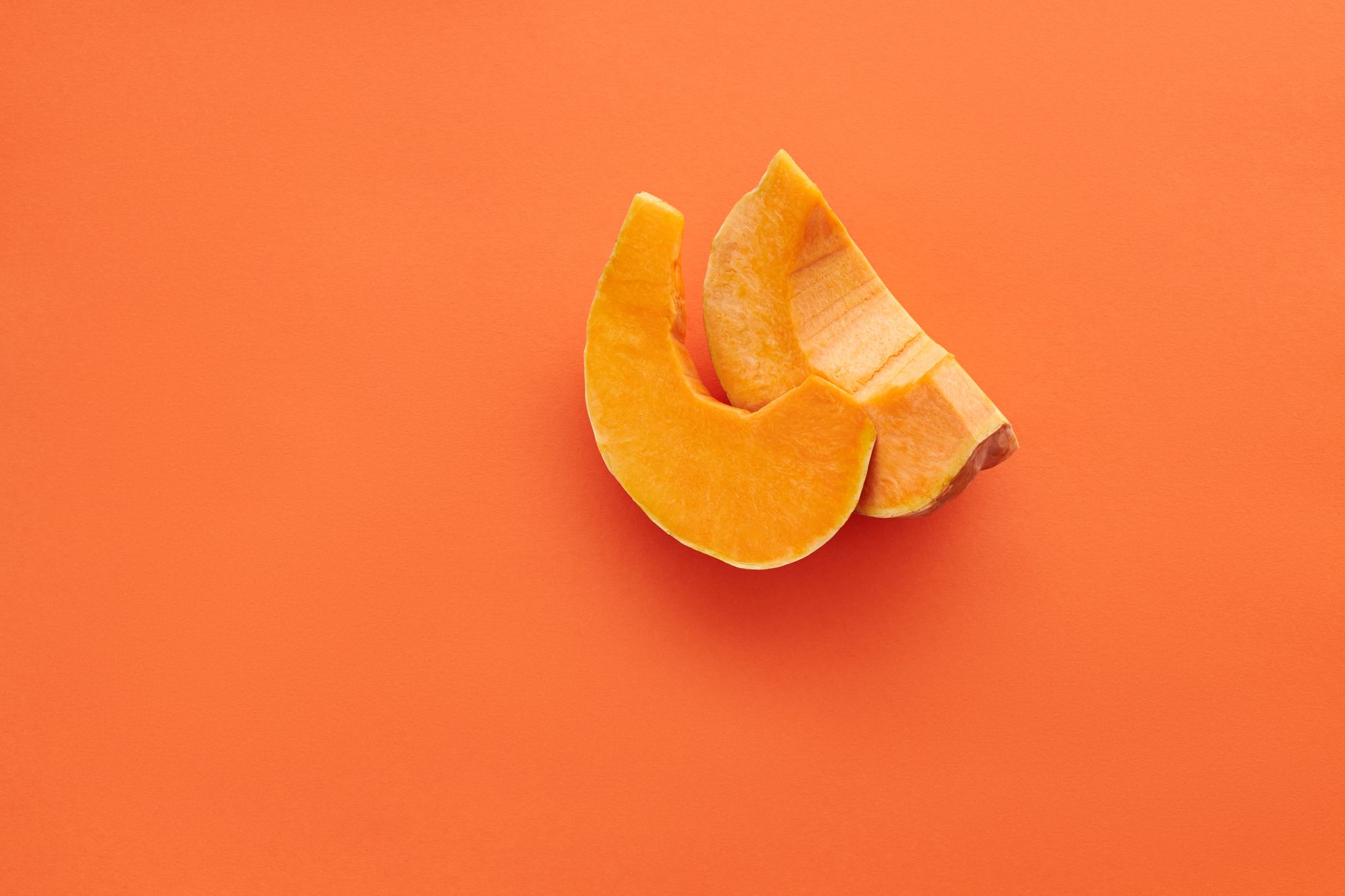
When it comes to understanding the classification of vegetables, squash often raises questions. Many wonder whether this versatile vegetable falls into the starchy category. In this article, we’ll explore what makes squash a unique food choice, its culinary uses, and how to incorporate it into your meals effectively.
Squash is a member of the gourd family and comes in numerous varieties, each offering unique flavors and textures. To help clarify whether squash is considered a starchy vegetable, we will delve into its nutritional profile, the different types of squash, and practical tips for incorporating it into your diet.
Is Squash a Starchy Vegetable?
Squash is generally not classified as a starchy vegetable. Starchy vegetables, such as potatoes, corn, and peas, are higher in carbohydrates and calories. While squash does contain carbohydrates, it is primarily composed of water, fiber, and vitamins, making it a low-calorie and nutrient-dense option suitable for various diets.
Understanding Squash: Types and Characteristics
Squash can be broadly divided into two categories: summer squash and winter squash. Each type has distinct characteristics that influence its culinary application.
Summer Squash
Summer squash, which includes varieties such as zucchini, yellow squash, and pattypan, is typically harvested when young and tender. They have thin skins and are often used in salads, stir-fries, and grilling. Some typical characteristics include:
- Flavor: Mild and slightly sweet.
- Texture: Soft and tender when cooked.
- Culinary Uses: Excellent for sautéing, roasting, or spiralizing into noodles.
Winter Squash
Winter squash, which includes varieties such as butternut, acorn, and spaghetti squash, is harvested when mature. They have thick skins and dense flesh, offering unique flavors and textures. Here are some important aspects:
- Flavor: Richer and sweeter than summer squash.
- Texture: Denser and creamier when cooked.
- Culinary Uses: Suitable for soups, stews, baking, and stuffing.
Nutritional Profile of Squash
Understanding the nutritional profile of squash can help clarify its role in a balanced diet. Both summer and winter squash are low in calories while providing essential vitamins and minerals.
Key Nutrients in Squash
1. **Vitamins:** Squash is rich in vitamins A and C, which are essential for maintaining healthy skin and vision, as well as a robust immune system.
2. **Minerals:** Squash contains potassium, magnesium, and calcium, contributing to bone health and muscle function.
3. **Fiber:** Both types of squash are good sources of dietary fiber, aiding in digestion and promoting a feeling of fullness.
4. **Antioxidants:** Squash is loaded with antioxidants, such as lutein and zeaxanthin, which support eye health and reduce the risk of chronic disease.
Culinary Applications of Squash
Squash is an incredibly versatile vegetable that can be used in a myriad of dishes. Here we will explore different culinary applications and preparation techniques for both summer and winter squash.
Cooking Techniques for Squash
There are several excellent cooking methods that enhance the flavor and texture of squash:
1. Roasting
Roasting brings out the natural sweetness of squash. Simply cut the squash into halves or cubes, drizzle with oil, and season before baking in the oven.
2. Sautéing
Sautéing is a quick method suitable for summer squash. Cut the squash into slices and cook them in a hot skillet with a bit of oil until tender.
3. Grilling
Grilled squash adds a smoky flavor. Cut into thick slices or halves and cook over an open flame for a few minutes on each side.
4. Steaming
Steaming is one of the healthiest ways to cook squash, preserving its nutrients. Steam slices until they are tender, then serve with herbs and spices.
5. Baking
Baking, especially for winter squash like butternut, can create a creamy texture that can be used in soups or purees. Cut, seed, and bake until soft.
Squash in Recipes
Squash can be incorporated into various recipes, enhancing both flavor and nutrition. Here are some common ways to use squash:
1. Squash Soup
A comforting and creamy dish, you can use winter squash like butternut or acorn. Blend boiled squash with vegetable broth, garlic, and spices for a delicious soup.
2. Ratatouille
Summer squash adds texture to this vegetable medley dish. Sauté with eggplant, bell peppers, and tomatoes for a flavorful experience.
3. Stuffed Squash
Stuff winter squash with a mixture of quinoa, nuts, and herbs for a hearty main course. Bake until the squash is tender, and the flavors meld beautifully.
Ingredient Substitutions
If you find yourself out of fresh squash, there are several alternatives you can consider based on the recipe:
- Zucchini for Yellow Squash: Similar flavor and texture, excellent for stir-fries or baking.
- Pumpkin for Butternut Squash: Slightly different taste but works well in soups and baking.
- Aubergine for Summer Squash: A unique flavor but can add depth if sautéed alongside other vegetables.
Storage and Preservation
Proper storage helps maintain the freshness of squash for a longer period. Here are some tips:
Storing Fresh Squash
Keep fresh squash in a cool, dark place, such as a pantry, for up to a week. Once cut, store pieces in the refrigerator in airtight containers for several days.
Freezing Squash
To freeze squash, blanch cut pieces in boiling water for two minutes, then cool in ice water before placing in freezer bags. Frozen squash is best used within six months for optimal quality.
Common Mistakes and Troubleshooting
While cooking with squash, you’ll want to avoid certain pitfalls:
Overcooking
Squash can become mushy if overcooked, so always keep an eye on it. Aim for a tender texture while still retaining structure.
Selecting the Right Squash
Choose firm squash without soft spots or blemishes for the best flavor. Seasonal selections can also influence quality, so opt for fresh and locally sourced options when possible.
Balancing Flavors
Squash has a mild flavor that can be easily overpowered by strong spices. Start with a light seasoning and adjust as needed to find the right balance.
Meal Planning with Squash
Incorporating squash into your weekly meal plan can be both nutritious and tasty. Here are some practical ideas:
Weekly Meal Ideas
- Breakfast: Add sautéed squash to omelets or scrambled eggs for a nutritious start to your day.
- Lunch: Include roasted squash in salads for added texture and flavor.
- Dinner: Make stuffed squash or a hearty squash soup to warm up during cooler evenings.
- Snacks: Bake thin slices of squash for a crispy chip alternative.
Batch Cooking
Consider cooking a large batch of roasted or steamed squash at the beginning of the week. Use it in various meals, from salads to soups, for quick and easy meal preparation.
Conclusion
Squash is a delectable and versatile vegetable with various culinary uses that are often misunderstood regarding its starch content. While not classified as a starchy vegetable, the nutritional benefits of squash make it a fantastic addition to any meal. Embrace its flavors and textures and explore how squash can enhance your dishes.
For more delicious recipes and cooking tips, check out our Honey Sesame Chicken Recipe or learn how to cook with squash in our Fried Squash Recipe.