
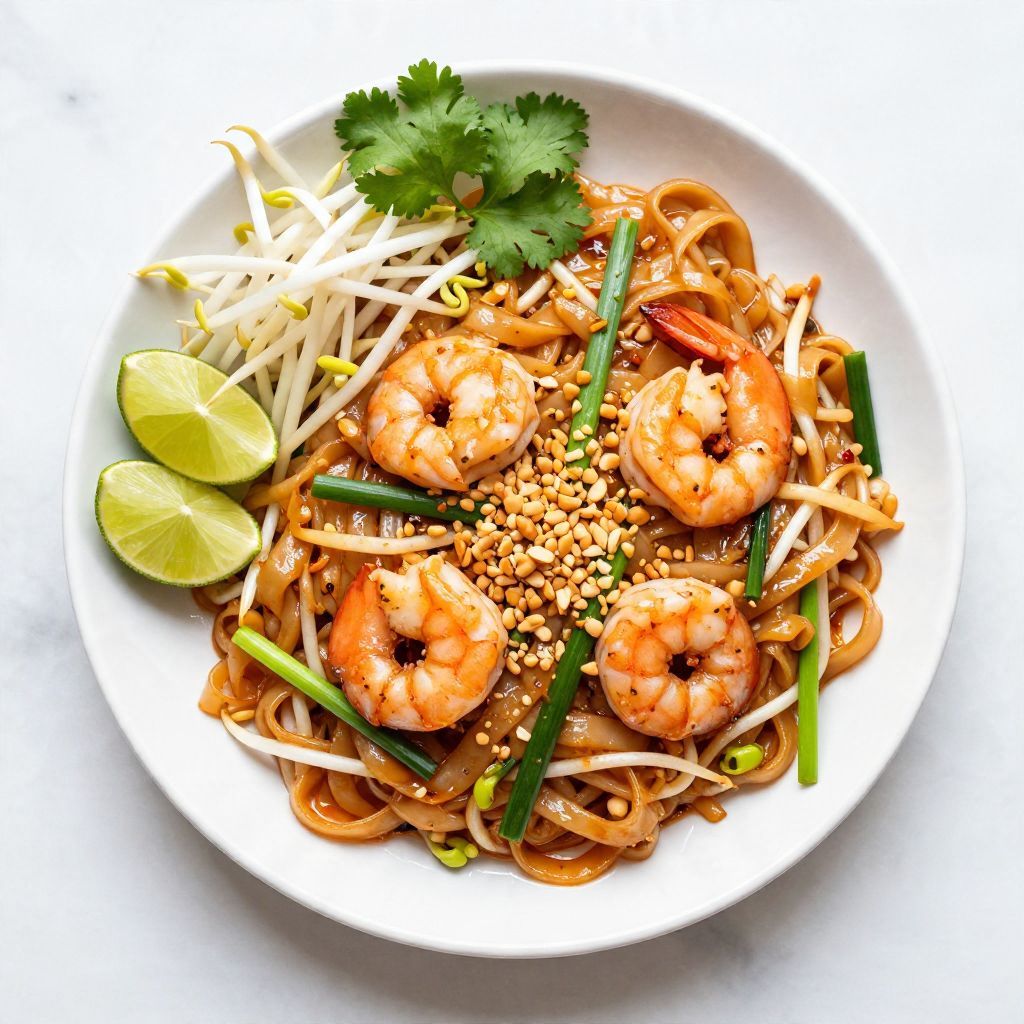
There’s something magical about the aroma of frying noodles mixed with a hint of tamarind and a splash of lime. This Traditional Pad Thai Recipe captures the essence of street food in Thailand, bringing its vibrant flavors right to your kitchen. It’s quick to prepare and packed with a delightful mix of textures and tastes, making it a weeknight favorite. With a balance of sweet, sour, and savory notes, this dish is a comforting classic that’s just as enjoyable for a cozy dinner as it is for impressing guests. Ready to dive into this culinary adventure? Let’s gather our ingredients!
Why You’ll Love This Recipe
This recipe is a crowd-pleaser and perfect for any occasion. It’s easy to customize based on your taste preferences.
- Flavor-packed with a perfect balance of sweet, sour, and savory.
- Quick cooking time makes it ideal for busy nights.
- Versatile; easily adjust ingredients to suit dietary needs.
- Authentic taste that transports you straight to Thailand.
My Experience Making This Recipe
When I first tried making Pad Thai at home, I was amazed by how simple yet rewarding it was. The sizzling sound of the noodles and the vibrant colors of the vegetables always make me feel like a culinary pro.
Every time I serve it, the delightful aroma draws my family and friends in, and the smiles on their faces say it all. It’s a dish that never fails to impress, and it’s become a staple in my home.
Recipe Overview
- Recipe Name: Traditional Pad Thai
- Servings: 4
- Prep Time: 15 minutes
- Cook Time: 15 minutes
- Total Time: 30 minutes
- Course: Main Course
- Cuisine: Thai
- Calories per Serving: 400
Equipment You Will Need
- Large skillet or wok
- Spatula or wooden spoon
- Measuring cups and spoons
- Knife and cutting board
- Small bowl for sauce
Ingredients for Traditional Pad Thai
- 8 oz. rice noodles
- 2 tablespoons vegetable oil
- 2 cloves garlic, minced
- 1 cup shrimp, peeled and deveined
- 2 eggs
- 1 cup bean sprouts
- 1/2 cup green onions, chopped
- 1/4 cup peanuts, crushed
- 1 lime, cut into wedges
- 3 tablespoons fish sauce
- 2 tablespoons tamarind paste
- 1 tablespoon sugar
Ingredient Notes and Substitutions
- Rice noodles: These are the base of the dish, offering a chewy texture. You can substitute with flat rice sheets if needed.
- Shrimp: Provides protein and a seafood flavor. Chicken or tofu works well as a vegetarian option.
- Fish sauce: Adds umami depth to the dish. Soy sauce can be used for a vegetarian alternative.
- Tamarind paste: Essential for the authentic tartness. You can use lime juice in a pinch, but it won’t be the same.
How to Make Traditional Pad Thai
Step 1: Soak the Rice Noodles
Begin by soaking the rice noodles in warm water for about 20-30 minutes until they are soft. This step is crucial to achieve the perfect texture that holds the sauce well.
Step 2: Prepare the Sauce
In a small bowl, mix together fish sauce, tamarind paste, and sugar. This sauce is the heart of Pad Thai, offering a sweet and tangy flavor that enhances the dish.
Step 3: Heat the Oil
Heat vegetable oil in a large skillet or wok over medium-high heat. The right temperature ensures the noodles fry nicely without becoming soggy.
Step 4: Sauté the Garlic
Add minced garlic to the skillet and sauté for about 30 seconds until fragrant. Garlic adds a rich aroma that sets the stage for the other ingredients.
Step 5: Cook the Shrimp
Add shrimp to the skillet and cook until they turn pink, about 2-3 minutes. This brings a delightful seafood flavor that is essential for authentic Pad Thai.
Step 6: Add the Noodles
Drain the soaked noodles and add them to the skillet, stirring well. This ensures the noodles are evenly coated in the oil and flavors.
Step 7: Pour in the Sauce
Pour the prepared sauce over the noodles and toss everything together. This step is where the magic happens, as the noodles absorb all that delicious flavor.
Step 8: Finish with Eggs and Vegetables
Make a well in the center of the noodles, crack in the eggs, and scramble them. Add bean sprouts and green onions, stirring until everything is well combined and heated through.
Pro Tip: Always taste and adjust the sauce before serving; it can make a big difference in flavor!
Tips for the Best Traditional Pad Thai
- Use fresh ingredients for the best flavor; fresh lime and herbs make a difference.
- Don’t overcook the noodles; they should be tender yet slightly chewy.
- Customize protein options for dietary preferences, such as tofu for a vegan version.
- Garnish generously with crushed peanuts for added crunch.
- Serve immediately for the best taste; Pad Thai is best enjoyed fresh!
Common Mistakes to Avoid
- Over-soaking the noodles can lead to mushiness; keep an eye on them.
- Skipping the tamarind paste sacrifices the authentic flavor; don’t omit it.
- Cooking at too low a heat results in soggy noodles; aim for medium-high heat.
- Not adjusting the sauce to your taste can make it bland; trust your palate!
Serving Suggestions
Pair your Pad Thai with refreshing beverages and sides to elevate the meal.
- Crispy Thai cucumber salad for a crunchy contrast.
- Fresh spring rolls for an appetizer.
- A chilled Thai iced tea to balance the flavors.
- Extra lime wedges for a zesty kick.
Variations to Try
- Add tofu for a vegetarian option that absorbs the flavors beautifully.
- Incorporate different vegetables like bell peppers for added color and nutrition.
- Use chicken or beef instead of shrimp for a hearty variation.
- Add chili flakes for a spicy twist that kicks up the heat.
Dietary Adaptations
- Gluten-free: Use gluten-free soy sauce or tamari in place of fish sauce.
- Dairy-free: This recipe is naturally dairy-free; no modifications needed.
- Vegan/vegetarian: Replace shrimp with tofu and use soy sauce instead of fish sauce.
- Low-carb/keto: Substitute rice noodles with zucchini noodles or shirataki noodles.
Storage and Reheating
Refrigerator
Store leftovers in an airtight container for up to 3 days.
- Allow to cool before sealing to avoid condensation.
- Reheat in a skillet with a splash of water to bring back moisture.
Freezer
Pad Thai is best enjoyed fresh, but you can freeze it for up to 1 month.
- Portion into freezer bags, removing excess air.
- Thaw overnight in the fridge before reheating.
Reheating
Reheat in a skillet over medium heat until warmed through.
- Add a few drops of water or oil to prevent sticking.
- Stir frequently for even heating.
Nutrition Information
| Nutrient | Amount |
|---|---|
| Calories | 400 |
| Total Fat | 18g |
| Saturated Fat | 2g |
| Carbohydrates | 50g |
| Fiber | 3g |
| Sugar | 3g |
| Protein | 15g |
| Sodium | 800mg |
| Cholesterol | 150mg |
This nutritional information is approximate and will vary based on specific ingredients and portion sizes.
Frequently Asked Questions
Can I make Pad Thai ahead of time?
Yes, you can prep ingredients ahead but cook it fresh for the best taste.
What can I substitute for tamarind paste?
Lime juice can be used, but it won’t deliver the same depth of flavor.
How do I store leftovers?
Store in an airtight container in the fridge for up to 3 days or freeze for longer storage.
Why are my noodles mushy?
Over-soaking or cooking them at too low a heat can lead to mushy noodles.
Can I add more vegetables?
Absolutely! Feel free to add your favorites to boost nutrition and flavor.
Final Thoughts
This Traditional Pad Thai Recipe brings a taste of Thailand right to your table, and I encourage you to try it! Each bite is a delightful blend of flavors that will surely become a beloved favorite.
For more delicious ideas, check out my Che Thai recipe or refresh your palate with a Thai cucumber salad. Happy cooking!