
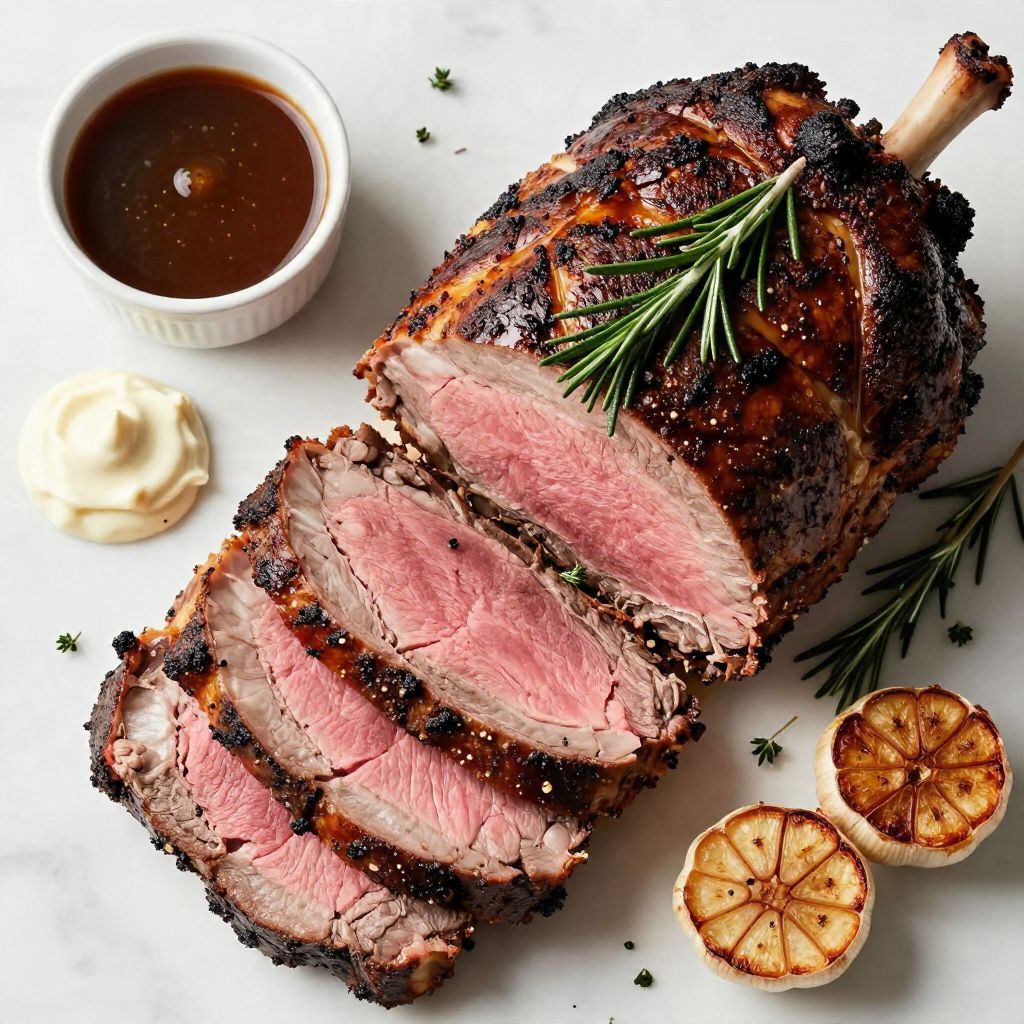
Picture this: a perfectly cooked, juicy prime rib sitting at the center of your holiday table, its rich aroma filling the air while everyone eagerly anticipates the first slice. This Traditional Prime Rib Recipe is not just a meal; it’s an experience, a celebration of flavor and texture that will elevate any gathering. With its tender, succulent meat and a crust that is both savory and aromatic, it’s the star of the show. So, gather your ingredients, and let’s get cooking!
Why You’ll Love This Recipe
This recipe is a classic for a reason, offering flavors that impress and simplicity that frees you up to enjoy your guests.
- Rich, beefy flavor that melts in your mouth.
- Perfect for special occasions or family gatherings.
- Can be seasoned in many ways to suit your taste.
- Leftovers make fantastic sandwiches or beef stroganoff.
- Easy to follow, even for beginner cooks.
My Experience Making This Recipe
The first time I made this prime rib, I was a bundle of nerves. As the roast slowly cooked, the aroma wafted through my home, making my stomach rumble in anticipation.
When I finally sliced into that juicy meat, the satisfaction on my family’s faces was priceless. That moment solidified my love for this recipe and turned it into a cherished family tradition.
Recipe Overview
- Recipe Name: Traditional Prime Rib
- Servings: 6-8
- Prep Time: 20 minutes
- Cook Time: 2-3 hours
- Total Time: 2 hours 20 minutes – 3 hours 20 minutes
- Course: Main Course
- Cuisine: American
- Calories per Serving: Approximately 350
Equipment You Will Need
- Roasting pan
- Meat thermometer
- Sharp knife for carving
- Cutting board
- Aluminum foil
Ingredients for Traditional Prime Rib
- 1 (5-7 pound) prime rib roast
- 4 cloves garlic, minced
- 2 tablespoons kosher salt
- 1 tablespoon black pepper
- 1 tablespoon fresh rosemary, chopped
- 1 tablespoon fresh thyme, chopped
- 2 tablespoons olive oil
Ingredient Notes and Substitutions
- Prime rib roast: This cut is rich and flavorful. A ribeye roast can be used for a slightly different texture.
- Kosher salt: It helps draw out moisture and flavor. Sea salt can be a fine substitute.
- Garlic: Adds depth to the flavor. Garlic powder works if fresh isn’t available.
- Fresh herbs: They enhance the aroma and flavor. Dried herbs can be used in a pinch, but fresh is best.
How to Make Traditional Prime Rib
Step 1: Prepare the Roast
Start by removing your roast from the fridge about two hours before cooking. This allows it to come to room temperature, ensuring even cooking.
Step 2: Preheat the Oven
Preheat your oven to 450°F (232°C). This high temperature will help create a beautiful crust on your prime rib.
Step 3: Season the Meat
In a small bowl, mix the minced garlic, kosher salt, black pepper, chopped rosemary, thyme, and olive oil. Rub this mixture generously over the surface of the roast.
Step 4: Place in Roasting Pan
Transfer the seasoned roast to a roasting pan, bone side down. The bones act as a natural rack, promoting even cooking.
Step 5: Roast at High Temperature
Roast the prime rib at 450°F (232°C) for 20 minutes. This initial blast of heat helps to develop a nice crust.
Step 6: Lower the Heat
After 20 minutes, lower the oven temperature to 325°F (163°C) without opening the oven door. This allows the roast to cook evenly without losing heat.
Step 7: Monitor the Internal Temperature
Use a meat thermometer to check the internal temperature. Aim for 130°F (54°C) for medium-rare, which is usually about 1.5 to 2 hours of cooking time.
Step 8: Rest the Meat
Once the desired temperature is reached, remove the roast from the oven and cover it loosely with aluminum foil. Let it rest for at least 20 minutes to allow the juices to redistribute.
Pro Tip: Always let your roast rest before carving. This keeps the meat juicy!
Tips for the Best Traditional Prime Rib
- Use a quality meat thermometer. This ensures you cook it to your preferred doneness without guessing.
- Don’t rush the resting period. Waiting is hard but worth every juicy bite.
- Change up the herbs. Experiment with different fresh herbs for unique flavor profiles.
- Serve with a rich au jus or horseradish sauce for an extra flavor kick.
- Keep leftovers in the fridge for delicious sandwiches or salads.
Common Mistakes to Avoid
- Not bringing the roast to room temperature. This can lead to uneven cooking.
- Cutting into the roast too soon. It will lose juices if you carve too early.
- Overcooking the meat. Use a thermometer for accurate doneness.
- Skipping the seasoning. Proper seasoning is key to enhancing the flavor.
Serving Suggestions
This prime rib pairs beautifully with a variety of sides. Here are some ideas to complement your meal:
- Garlic mashed potatoes
- Roasted Brussels sprouts with bacon
- Classic Caesar salad
- Yorkshire pudding
- Red wine reduction sauce
Variations to Try
- Herb-Crusted Prime Rib: Add more herbs like thyme and sage for a fragrant crust.
- Smoked Prime Rib: Use a smoker for a smoky flavor that infuses the meat.
- Spicy Prime Rib: Incorporate cayenne pepper or chili powder for a kick.
- Garlic Butter Prime Rib: Baste with garlic butter during the last hour for a rich flavor.
Dietary Adaptations
- Gluten-free: This recipe is naturally gluten-free.
- Dairy-free: No dairy is used, making it suitable for dairy-free diets.
- Low-carb/Keto: Prime rib fits perfectly into a low-carb or keto meal plan.
Storage and Reheating
Refrigerator
Store leftover prime rib in an airtight container in the fridge for up to three days.
- Wrap tightly in foil or plastic wrap to maintain moisture.
- Slice before storing for easy reheating.
Freezer
If you want to keep it longer, freeze leftover prime rib. It lasts up to three months.
- Wrap slices tightly in plastic wrap, then foil.
- Label with the date for reference.
Reheating
Reheat gently to avoid drying out the meat. The oven is best for this.
- Preheat your oven to 300°F (149°C).
- Place the meat in a baking dish with a splash of broth or water.
Nutrition Information
| Nutrient | Amount |
|---|---|
| Calories | 350 |
| Total Fat | 25g |
| Saturated Fat | 10g |
| Carbohydrates | 0g |
| Fiber | 0g |
| Sugar | 0g |
| Protein | 31g |
| Sodium | 700mg |
| Cholesterol | 90mg |
Nutrition values may vary based on specific ingredients and portion sizes.
Frequently Asked Questions
Can I make this prime rib ahead of time?
Yes, you can season it the night before and store it in the fridge. Just let it come to room temperature before cooking.
What is the best way to store leftover prime rib?
Store it in an airtight container in the fridge for up to three days or freeze it for longer storage.
How do I know when my prime rib is done?
The best way is to use a meat thermometer. Aim for 130°F (54°C) for medium-rare.
Why is my prime rib tough?
It might be overcooked or not rested long enough. Always allow it to rest after cooking.
Can I use a different cut of beef?
Yes, a ribeye roast can work, but it may have a different texture and flavor.
Final Thoughts
Making a Traditional Prime Rib is more than just cooking; it’s about creating memories and enjoying great food with loved ones. I encourage you to try this recipe and make it your own.
For more delicious options, check out my Boneless Prime Rib Recipe or spice things up with my Prime Rib Rub Recipe. Happy cooking!