
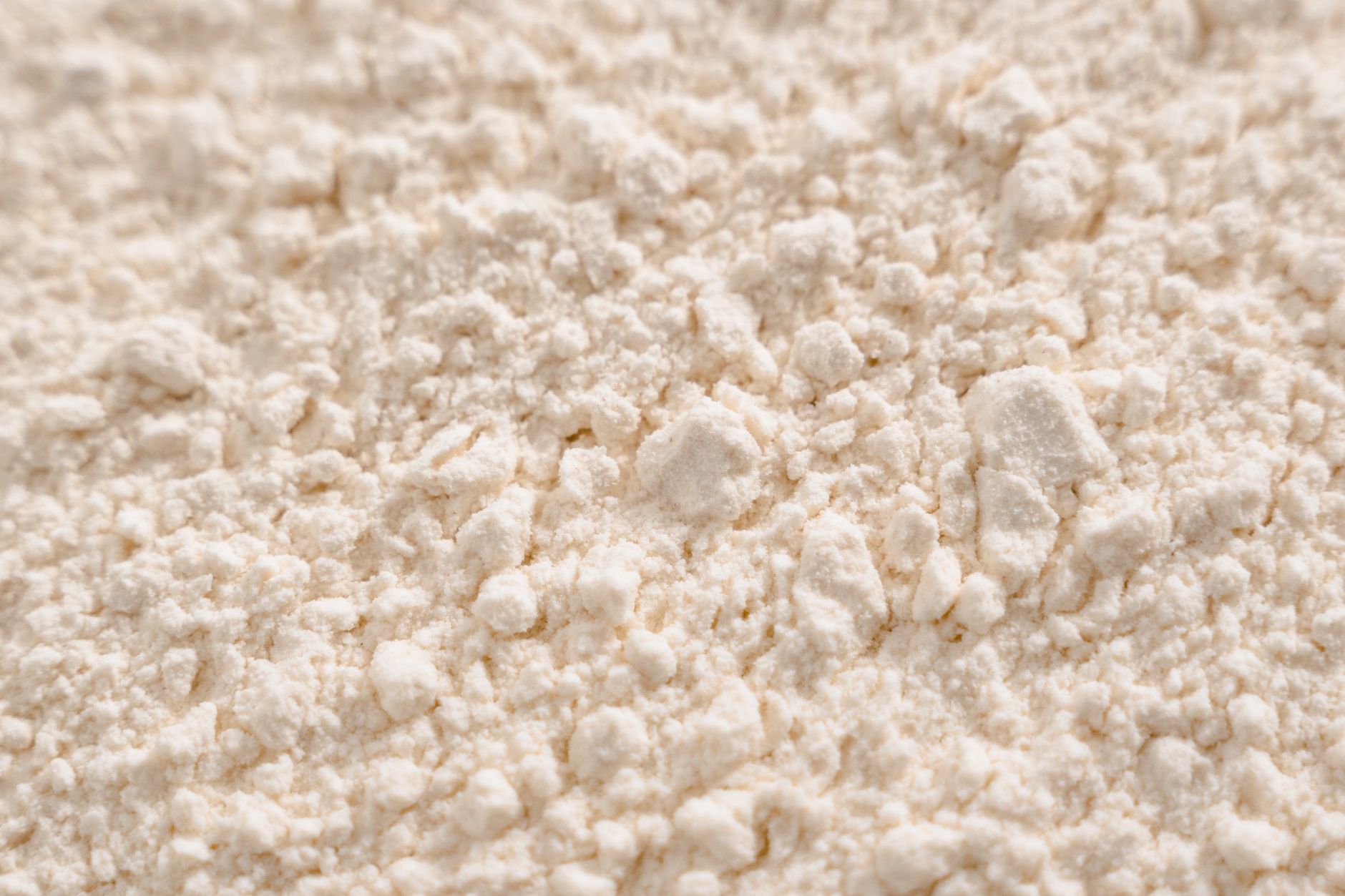
Acacia gum, also known as gum arabic, is a natural gum derived from the sap of Acacia trees. This ingredient has been used for centuries in various culinary applications and food products, serving both as a thickening agent and a stabilizer. With the surge in health consciousness, many consumers are questioning its safety and potential health benefits.
In this article, we will delve deep into what acacia gum is, its nutritional profile, potential benefits, risks, and its overall status in the food industry. Understanding this ingredient will help you decide whether it’s a good addition to your diet or whether you should approach it with caution.
Is Acacia Gum Bad for You?
No, acacia gum isn’t inherently bad for you. In moderation, it can offer various health benefits, such as improving gut health and acting as a natural emulsifier. However, excessive consumption could lead to gastrointestinal discomfort in some individuals. It’s essential to consider personal dietary needs and possible allergies when incorporating it into your diet.
What is Acacia Gum?
Acacia gum is a natural gum made from the sap of Acacia trees, mainly Acacia senegal and Acacia seyal. The sap is collected, dried, and processed to form the gum that is used in food products. It is known for its soluble fiber content and can be found in various items like candies, soft drinks, yogurts, and baked goods.
Nutritional Profile of Acacia Gum
Acacia gum is primarily composed of polysaccharides and fibers, making it a unique ingredient for various culinary uses. Its nutritional profile includes:
- Calories: Minimal calories, as it is mainly fiber.
- Dietary Fiber: High in soluble fiber, which contributes to digestive health.
- Carbohydrates: Contains carbohydrates that can provide a quick source of energy.
- Vitamins and Minerals: Trace amounts of vitamins and minerals are present.
Potential Health Benefits of Acacia Gum
Acacia gum is often praised for its numerous potential health benefits. Here are some prominent advantages:
1. Supports Digestive Health
Due to its high soluble fiber content, acacia gum can help improve gut health. It acts as a prebiotic, promoting the growth of beneficial gut bacteria. This can enhance digestion and reduce symptoms of constipation.
2. Lowers Cholesterol Levels
Studies suggest that soluble fiber can help lower cholesterol levels, potentially reducing the risk of cardiovascular diseases. Acacia gum may facilitate this process by binding to cholesterol and bile acids in the intestines, promoting their excretion.
3. Blood Sugar Control
Acacia gum may help in stabilizing blood sugar levels. The soluble fiber slows down the absorption of glucose, which could be beneficial for individuals managing diabetes.
4. Weight Management
As a fiber-rich ingredient, acacia gum can aid in weight management by promoting feelings of fullness and reducing overall calorie intake.
Are There Any Risks or Side Effects?
While acacia gum is generally recognized as safe, consuming it in excess may lead to certain issues:
1. Gastrointestinal Discomfort
Some individuals may experience bloating, gas, or abdominal pain when consuming large amounts of acacia gum, particularly if they are unaccustomed to high fiber intake.
2. Allergic Reactions
Though rare, some individuals may be allergic to acacia gum. Symptoms of an allergic reaction can include rashes, itching, or respiratory issues. If you suspect an allergy, consult a healthcare professional.
3. Interaction with Medications
High fiber ingredients like acacia gum can affect the absorption of certain medications. It is advisable to consult with a healthcare provider if you are on medication and considering adding acacia gum to your diet.
Culinary Uses of Acacia Gum
Acacia gum is a versatile ingredient with various culinary applications:
1. Emulsifier
Acacia gum is commonly used as an emulsifier in products like salad dressings and sauces. It helps blend oil and water-based ingredients, ensuring a smooth texture.
2. Thickening Agent
This gum can act as a natural thickener in baked goods, soups, and gravies, enhancing their consistency without altering the flavor significantly.
3. Stabilizer in Ice Creams and Yogurts
In frozen desserts and yogurts, acacia gum prevents the formation of ice crystals, preserving a creamy texture.
4. Ingredient in Snacks
Snack bars, candies, and various confections may contain acacia gum, contributing to their chewy texture and extending their shelf life.
Popular Products Containing Acacia Gum
Acacia gum can be found in a range of products. Some common items include:
- Soft drinks
- Gelatin desserts
- Confectionery products
- Processed cheeses
Finding Acacia Gum in Your Diet
If you’re looking to incorporate acacia gum into your diet, it is readily available in health food stores and online as a dietary supplement or powder. Here are some suggestions on how to use it:
1. In Smoothies
Add a teaspoon of acacia gum powder to your smoothies for added fiber and a rich texture.
2. In Baking
Use acacia gum in bread and cake recipes as a thickener and to improve moisture retention.
3. As a Salad Dressing Emulsifier
Mix acacia gum with vinegar and oil to create a stable salad dressing that won’t separate.
4. In Homemade Ice Cream
Incorporate acacia gum into your homemade ice cream mixture to achieve a smoother texture.
Practical Substitutes for Acacia Gum
If you need alternatives to acacia gum, consider the following substitutes:
- Guar Gum: Similar in function, guar gum can be used at a ratio of 1:1.
- Xanthan Gum: An effective thickener, this can often be used in smaller quantities—start with half the amount.
- Psyllium Husk: A natural fiber that can replace acacia gum in promoting gut health but may alter the recipe’s texture.
Common Mistakes When Using Acacia Gum
While using acacia gum, here are some common pitfalls to avoid:
1. Using Too Much
Overusing acacia gum can make your food overly thick or give it a gummy texture. Aim for moderation, typically 1-2 teaspoons in recipes.
2. Not Mixing Properly
Acacia gum needs to be mixed thoroughly to activate its properties. Failing to do so can lead to clumps in mixtures.
3. Ignoring Serving Sizes
As with any ingredient, sticking to recommended serving sizes is key to enjoying the benefits without side effects.
Conclusion
Acacia gum offers potential health benefits, particularly in supporting digestive health. While it is generally safe for most individuals, moderation is essential to avoid any gastrointestinal issues. Understanding its culinary uses and potential substitutes can help you make informed choices about incorporating it into your diet.
For those looking for related nutritional insights, consider exploring the benefits of chia seeds, as well as the essential soaking techniques for optimal use. Check out our article on the benefits of chia seeds or learn how long to soak chia seeds for best results.