
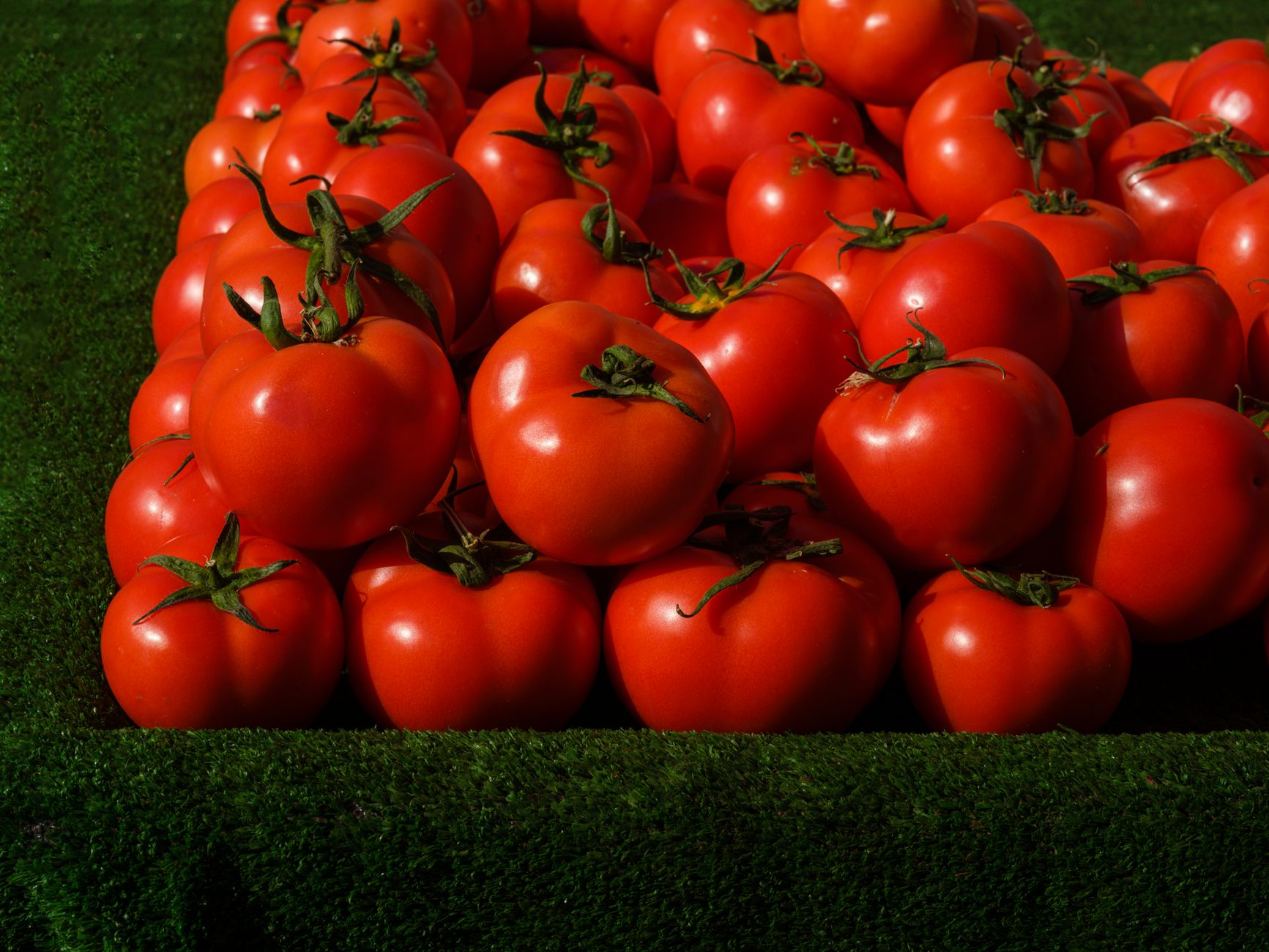
Passata sauce, a staple in Italian cooking, is a vibrant tomato puree that brings depth and flavor to many dishes. It is made from ripe tomatoes which are blanched, peeled, and pureed, resulting in a smooth, thick consistency. Known for its fresh tomato flavor, passata can be used in a variety of recipes, making it a go-to ingredient for home cooks and chefs alike.
This article explores passata sauce by examining its ingredients, taste, culinary uses, and how it fits into different recipes. Whether you’re looking to incorporate it into pasta dishes or use it as a base for soups and stews, understanding passata sauce will expand your culinary repertoire significantly.
What Is Passata Sauce?
Passata sauce is a smooth, uncooked tomato puree made from fresh tomatoes that have been blanched, peeled, and crushed. Unlike tomato sauces that are cooked down with additional ingredients like herbs, onions, or meats, passata serves as a blank canvas that allows cooks to adjust the flavors to their own liking. It typically contains no preservatives or added sugars, making it a healthier choice compared to many canned tomato products.
Ingredients in Passata Sauce
The primary ingredient in passata sauce is, unsurprisingly, tomatoes. However, the specific types and any additional ingredients can vary. Here’s a look at the main components:
- Tomatoes: The foundation of passata, ideally fresh and ripe, such as San Marzano or Roma tomatoes.
- Salt: Sometimes added to enhance flavor, but not always included in all recipes for passata.
- Citric acid or lemon juice: Occasionally used to increase acidity and promote preservation, though this is more relevant for canning than fresh preparations.
Pure passata is generally free from onions, garlic, or spices, allowing the natural flavor of the tomatoes to shine through. This simplicity is what makes passata a versatile ingredient in various cuisines.
Taste Profile of Passata Sauce
Passata sauce is characterized by its fresh, vibrant tomato flavor. It has a smooth texture that provides a rich mouthfeel, along with a balanced acidity that brightens up numerous dishes. When tasting passata, one might notice:
- Sweetness: Ripe tomatoes can bring a natural sweetness to the sauce.
- Acidity: The inherent acidity of tomatoes, which can be bright and tangy.
- Umami: Depending on the tomatoes used, there may also be subtle umami notes present.
When compared to canned tomato products, passata often has a fresher and more pronounced tomato flavor, making it a preferred choice for those seeking authentic Italian taste.
Culinary Uses for Passata Sauce
Passata sauce is incredibly versatile and can be used in a wide variety of dishes. Below are several culinary uses for this vibrant ingredient:
Pasta Dishes
Passata serves as an excellent base for pasta sauces. It can be simmered with olive oil, garlic, and herbs to create a simple marinara sauce or used in heartier preparations like bolognese or arrabbiata. Here’s how to incorporate it:
- Sauté garlic and onion in olive oil.
- Add passata and simmer until desired consistency is achieved.
- Season with salt, pepper, and herbs to taste.
Soups and Stews
Passata can add rich tomato flavor to soups and stews. When making a tomato soup or a vegetable stew, simply add passata during the cooking process. This method creates a heartier dish without overwhelming flavors. For example:
- Cook chopped vegetables in a pot with olive oil.
- Add passata, vegetable broth, and seasonings.
- Simmer until vegetables are tender.
Pizza and Flatbreads
Passata is a fantastic pizza sauce. Spread it on the base before adding toppings for a fresh, robust flavor. It can be used alone or mixed with dried oregano, basil, and a pinch of salt for extra flavor. Here’s a simple method:
- Preheat oven to desired temperature for pizza (usually around 475°F/245°C).
- Spread a thin layer of passata over the pizza dough.
- Add toppings of choice and bake until crust is golden.
Meat Dishes
Many braised meat dishes benefit from passata. It can serve as a flavorful braising liquid, imparting tomato taste and moisture. For a beef stew, blend passata into the liquid components for added depth.
Dips and Spreads
Combine passata with cream cheese or ricotta for a delicious dip or spread. Add herbs and spices for extra flavor. This makes for a creamy and tangy addition to parties or casual get-togethers.
How to Make Passata Sauce at Home
Creating passata sauce at home is a straightforward process, requiring only a few fresh ingredients and some simple techniques. The following method outlines how to make passata:
Ingredients
- 2 kg of ripe tomatoes (San Marzano or Roma preferred)
- 1 teaspoon salt (optional)
Essential Equipment
- Large pot
- Blender or food processor
- Fine sieve or food mill (optional)
- Glass jars or bottles for storage
Steps to Prepare Passata Sauce
- Bring a large pot of water to a boil. Prepare an ice bath in a separate bowl.
- Score the bottom of each tomato with a small ‘X.’ This will make peeling easier.
- Blanch the tomatoes in boiling water for about 30 seconds, then immediately transfer them to the ice bath to stop the cooking.
- Once cooled, peel the tomatoes and remove the cores.
- Blend the tomatoes in a blender or food processor until you achieve a smooth consistency. If you desire a more refined sauce, pass it through a fine sieve or food mill.
- Add salt if desired and mix well.
- Store the passata in glass jars or bottles. If not using immediately, process in a hot water bath for preservation.
Practical Substitutions for Passata Sauce
If you find yourself without passata, several alternatives can work well in its place. Here are a few substitutes to consider:
- Canned Tomatoes: Whole, crushed, or diced tomatoes in juice can be blended until smooth to mimic passata. Use 1:1 substitution.
- Tomato Sauce: Depending on the recipe, tomato sauce can be a decent replacement, though it may be thinner. Begin with a 1:1 ratio and adjust thickness if necessary.
- Homemade Tomato Puree: Blend cooked tomatoes until smooth and use as a passata substitute.
- Tomato Paste: For a thicker texture, combine equal parts tomato paste and water before using as passata.
Common Mistakes and Troubleshooting
While making or using passata sauce may seem easy, some pitfalls can diminish the final product:
- Using Unripe Tomatoes: Choose ripe, fresh tomatoes for the best flavor. Unripe tomatoes can lead to a sour or bland sauce.
- Overcooking: If you’re cooking the passata too long, it can lose its vibrant flavor. Keep an eye on it and taste test along the way.
- Skipping Seasoning: While passata can be used as-is, it often benefits from additional seasoning. Be sure to taste and adjust with salt and herbs.
Storage and Reheating of Passata Sauce
Passata sauce can be stored in various ways depending on your needs:
- Refrigerator: Store in an airtight container for up to a week.
- Freezer: Portion into freezer-safe bags or containers for longer storage. It can last up to six months frozen.
- Canned Passata: If properly processed, home-canned passata can last for up to a year in a cool, dark place.
To reheat, take the portioned passata and thaw if frozen. Heat in a saucepan over low to medium heat until warmed through, stirring occasionally. Do not allow it to boil as this can change the flavor and consistency.
Conclusion
Passata sauce is a versatile and flavorful ingredient that should have a place in every cook’s kitchen. Whether you’re using it as a base for your favorite pasta, blending it into soups and stews, or creating rich dips, passata offers both convenience and deliciousness. With this knowledge, you can now confidently incorporate passata into your culinary creations and even prepare your own at home!
Explore related recipes like pomodoro sauce or try your hand at spaghetti sauce without meat to further enhance your cooking adventures.