
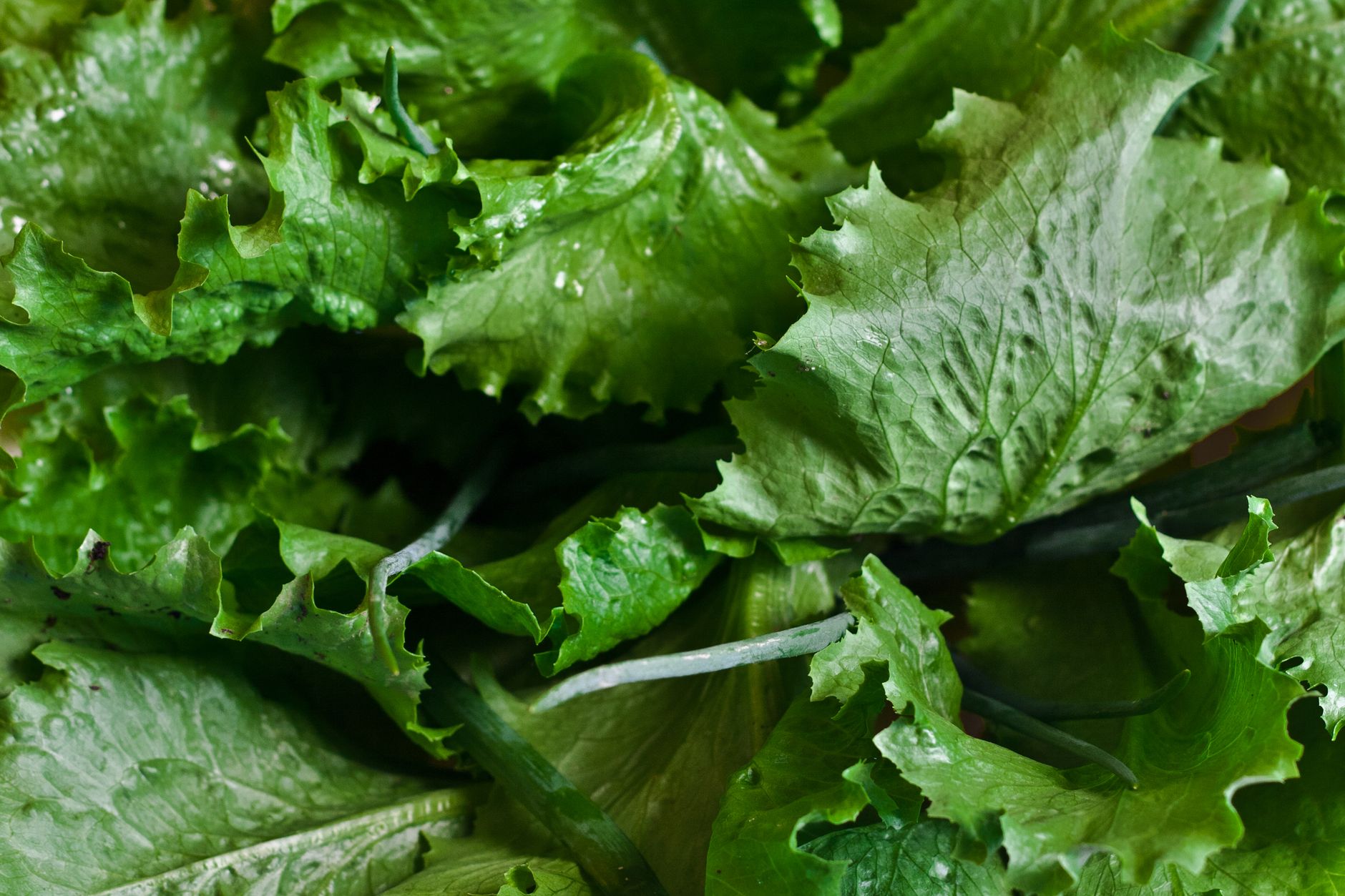
In recent months, Wendy’s has garnered attention for its change in lettuce. Fast-food chains are known for their consistency in menu items, making any modification noteworthy. Customers often wonder the reasons behind such a change, especially regarding a core ingredient like lettuce, which plays a crucial role in the flavor and texture profiles of sandwiches and salads.
Understanding the factors that led Wendy’s to alter its lettuce offers valuable insights into the fast-food industry, sourcing practices, and customer satisfaction strategies. This article delves into the reasons for Wendy’s lettuce change, exploring the significance of the ingredient, its uses, and considerations when choosing lettuce for your own meals.
Why Did Wendy’s Change Their Lettuce?
Wendy’s changed their lettuce primarily for reasons related to quality and freshness. The switch aimed to ensure that customers receive crisp, flavorful greens that enhance their fast-food offerings. Additionally, concerns about sustainability and supply chain reliability influenced the decision. By selecting a different type of lettuce, Wendy’s aims to improve the overall dining experience while remaining adaptable in a dynamic market.
The Role of Lettuce in Fast-Food Offerings
Lettuce serves multiple purposes in fast-food meals that go beyond simply adding crunch. It brings freshness and color and balances the richness of other ingredients like meat and sauces. Common types used in fast food include:
- Iceberg Lettuce: Popular for its crunchy texture and ability to withstand handling.
- Romaine Lettuce: Known for its sturdiness, it adds a slightly bitter flavor, enhancing salads and sandwiches.
- Leaf Lettuce: This softer variety comes in green, red, and butter styles, providing a mild taste and a more delicate appearance.
What Types of Lettuce Are Commonly Used in Fast Food?
Fast-food chains often choose specific lettuce varieties based on their durability, flavor, and presentation. Here’s a closer look at some common types:
- Iceberg Lettuce: Often used in burgers and sandwiches due to its crispness. It resists wilting and holds sauces well, extending the shelf life of the product.
- Romaine Lettuce: Frequently found in salads and as sandwich toppings. It has increased popularity for its nutritional value and elongated structure, which lends itself well to layering.
- Butter Lettuce: This variety has a soft, tender texture, making it ideal for wraps or as a bed for other meal components. It offers a sweet flavor that complements many dishes.
- Mixed Greens: These blends may include arugula, spinach, and other leaf types, giving variety to salads. They are not as common in sandwiches but are seen increasingly in fast-casual options.
Factors Influencing the Change of Lettuce at Wendy’s
Wendy’s decision to change its lettuce was strategically influenced by several interconnected factors:
1. Quality and Freshness
Maintaining high standards for ingredient freshness is imperative for fast-food chains. If customers perceive that the lettuce is wilted or old, it can negatively impact their overall perception of the meal. Upgrading lettuce varieties can ensure that the greens are crisp and visually appealing.
2. Supply Chain Management
Supply chain reliability is a growing concern for food establishments. Seasonal variations and supply shortages can lead to inconsistencies in product quality. By changing their lettuce supplier or type, Wendy’s can stabilize its supply chain against these fluctuations, securing fresher ingredients more consistently.
3. Customer Preferences
Fast-food companies are keenly attuned to customer feedback. If there is a demand for higher-quality, fresher tasting ingredients, companies like Wendy’s must adapt to stay competitive. Surveys and direct customer feedback can prompt changes in ingredient sourcing.
4. Sustainability
With increasing awareness of environmental issues, many fast-food chains, including Wendy’s, are re-evaluating their sourcing choices. Opting for locally sourced or more sustainable varieties of lettuce can resonate better with environmentally conscious customers. This change reflects a broader trend toward sustainability in food production.
The Nutritional Aspect of Lettuce
While lettuce is often thought of as a low-calorie filler, it does carry nutritional value. Here’s what you can expect:
- Hydration: Lettuce is primarily made up of water, which can help keep you hydrated.
- Nutrients: It contains vitamins A and K, along with folate, low levels of carbohydrates, and fiber.
- Caloric Content: Depending on the variety, most lettuces are quite low in calories, making them a popular choice for those seeking lighter options.
Choosing the Right Lettuce for Your Meals
When it comes to choosing lettuce for home cooking, several factors should be considered to ensure you get quality, freshness, and flavor:
1. Selection and Freshness
When shopping for lettuce, choose heads that feel heavy for their size and have crisp, vibrant leaves. Avoid heads that exhibit browning or wilting. Freshness significantly impacts the taste and texture.
2. Types of Lettuce for Specific Uses
Different types of lettuce can enhance various meals. Consider the following:
- For Salads: Romaine and mixed greens create a flavorful, sturdy base for various toppings.
- For Sandwiches: Crisp iceberg or crunchy romaine works well since they can hold up against sauces and heavier fillings.
- For Wraps: Soft butter lettuce provides a delicate touch, perfect for holding fillings without overwhelming them.
Practical Uses of Lettuce
Lettuce can be used in ways beyond traditional salads and sandwich toppings. Here are some inventive uses:
1. Lettuce Wraps
Butter lettuce leaves make excellent wraps for a range of fillings. This can include grilled chicken, tofu, or vegetables, allowing for a fresh, low-carb alternative to tortillas.
2. Salad Mix-Ins
For more complex salads, pairing different varieties of lettuce can add flavor and texture. Mixing buttery leaves with crisp varieties enhances the eating experience.
3. Stir-Frying Lettuce
It might sound unconventional, but stir-frying lettuce can create a unique dish. Iceberg or romaine can be quickly tossed in a hot wok with other veggies, adding a crispy soft texture while maintaining their nutrients.
Not all lettuces are suitable for cooking, so this technique is best reserved for varieties with a higher water content.
4. Meat and Vegetable Enhancer
Lettuce can complement many dishes, serving as a bed for grilled salmon or roasted vegetables. Not only does it offer a nutritional boost, but it also adds color and visual appeal to the plate.
Storage and Handling of Lettuce
Storing lettuce properly is essential for maintaining its freshness and extending its shelf life:
- Refrigeration: Store lettuce in the crisper drawer of your refrigerator, wrapped loosely in a damp paper towel within a plastic bag. This creates humidity while allowing airflow, keeping the leaves crisp.
- Avoid Wash Before Storage: Washing lettuce before storing can lead to quicker spoilage. It’s best to wash it just before use.
- Signs of Spoilage: Wilted, slimy, or discolored leaves are indicators that lettuce has gone bad. Always check carefully before use.
Common Mistakes When Choosing and Using Lettuce
To ensure the best quality and flavor when using lettuce, keep an eye on these common pitfalls:
- Ignoring Freshness: Always prioritize freshness. Choosing wilted lettuces can lead to compromised taste and texture.
- Overdressing Salads: Too much dressing can mask the subtle flavors of the lettuce and other components. Aim for balance.
- Improper Storage: Improper storage can lead to wilting. Keep lettuce in a cool environment, and avoid washing before storage.
Conclusion
The change in lettuce at Wendy’s reflects many considerations vital to the fast-food industry, including quality, sustainability, and consumer preferences. Understanding the reasons behind this shift can inspire individuals to think critically about ingredient selection and preparation in their meals.
Next time you visit a fast-food restaurant or prepare a meal at home, consider how the choice of lettuce impacts not only flavor but also nutrition. For some unique inspirations, explore our guides for wilted lettuce and Asian slaw recipes.
To discover more practical food concepts, check out our articles on wilted lettuce and Asian slaw.