
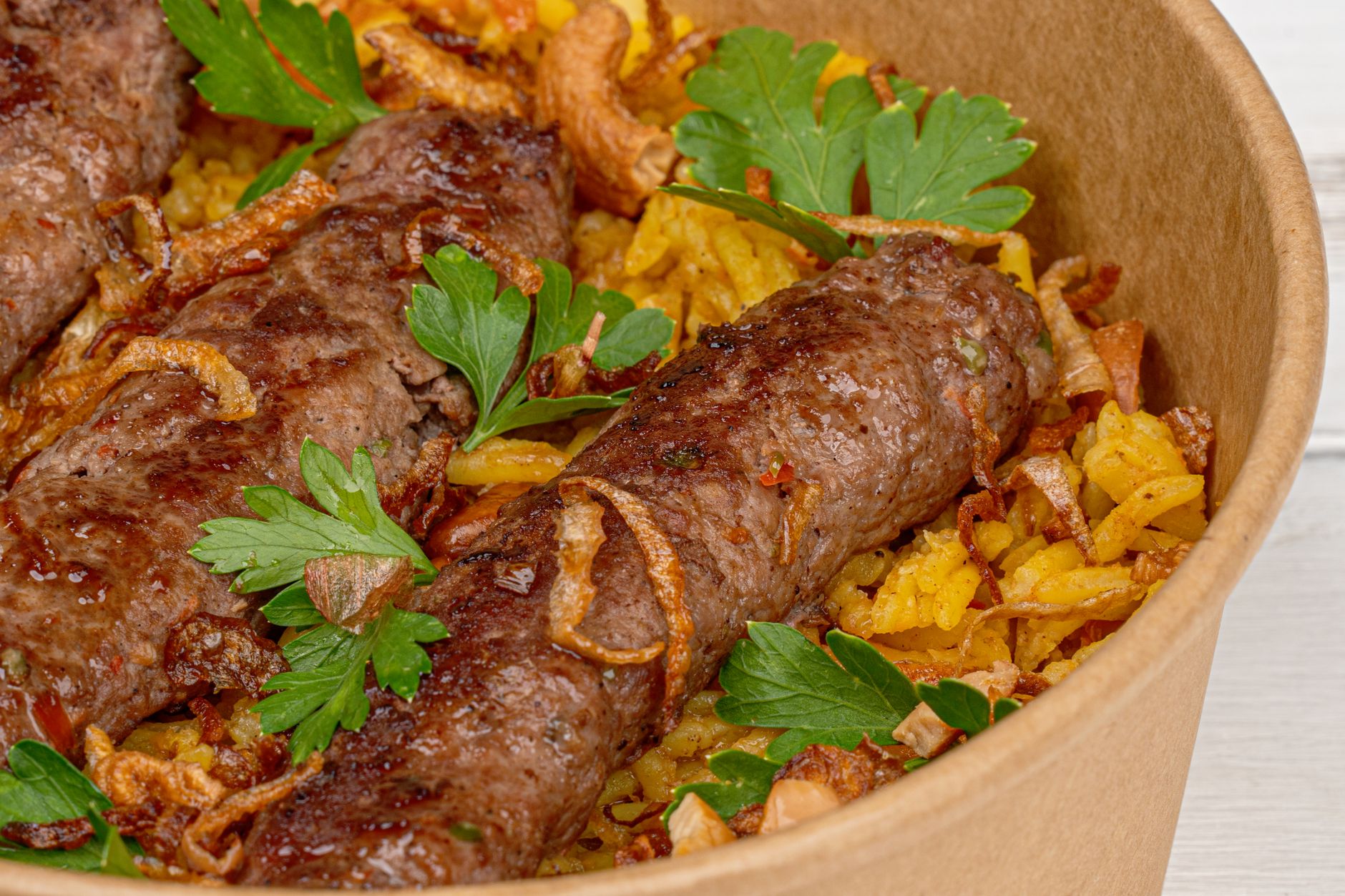
The question of whether Crimson Coward is halal has garnered attention among those who seek halal food options. The term “halal” refers to items that are permissible under Islamic law, particularly regarding food and drink. Understanding whether a dish from Crimson Coward meets these standards involves examining its ingredients and how it’s prepared.
This article will explore the ingredients used in Crimson Coward dishes, common practices in their preparation, and plant-based alternatives that can be considered halal. If you’re curious about whether you can enjoy Crimson Coward while adhering to halal dietary restrictions, this guide is for you.
Is Crimson Coward Halal?
To determine if Crimson Coward is halal, you must examine the specific dishes and their ingredients. Many items on the menu contain chicken, sauces, and various seasonings. If the chicken is sourced from suppliers who adhere to halal standards, and all other components are free from non-halal ingredients, then the dishes can be considered halal.
Understanding Halal
Halal is a term that denotes what is permissible in Islam, primarily relating to dietary regulations. This concept includes several aspects:
- Ingredients must come from sources deemed permissible.
- Animals must be slaughtered according to Islamic law, a practice known as Zabiha.
- Food prepared and served must not come into contact with non-halal items.
Common Ingredients in Crimson Coward
Crimson Coward is known for its unique offerings, typically featuring fried chicken and associated sides. The following ingredients are common in their dishes:
- Chicken (halal or non-halal depending on the supplier)
- White sauce
- Rice
- A variety of spices and seasonings
- Pickles and vegetables
Evaluating the Ingredients
To assess the halal status of Crimson Coward’s food, it is crucial to analyze each component in detail:
Chicken
Chicken is a staple at Crimson Coward. For a dish to be halal, the chicken must be sourced from suppliers that use humane methods compliant with Islamic law. Reaching out to the restaurant for confirmation on their chicken suppliers can provide insight into its halal status.
White Sauce
The white sauce typically contains ingredients such as mayonnaise, garlic, lemon juice, and various spices. Check whether the mayonnaise used is halal-certified, as some may contain non-halal ingredients. Making your own white sauce at home allows for control over the ingredients, ensuring they are halal.
Rice and Sides
Rice is generally considered halal, provided it is not cooked with any non-halal broth or animal fat. Similarly, the accompanying sides, like pickles and vegetables, need to be inspected for any additives or preservatives that could be non-halal.
Plant-Based Swaps
For those following a halal diet or looking to enjoy a more plant-based approach, here are some alternatives to consider:
Vegetarian Options
Switching from chicken to a plant-based protein such as tofu or tempeh can create a delicious and halal-compliant meal. These proteins can be marinated and seasoned similarly to chicken, ensuring an enjoyable flavor profile.
Halal Substitutes for White Sauce
Creating your own halal white sauce can be straightforward. Here’s a simple recipe using the following ingredients:
- 1 cup of halal mayonnaise
- 2 cloves of garlic, minced
- 2 tablespoons of fresh lemon juice
- Salt and pepper to taste
- Optional: spices like paprika or cumin for added flavor
Grains and Carbs
Aside from rice, consider quinoa or whole grain options as a base. These alternatives can provide a nutrient-rich profile while complementing the rest of the dish.
Practical Tips for Dining at Crimson Coward
If you plan to dine at Crimson Coward or similar establishments, some practices can help ensure your meal aligns with halal guidelines:
Ask Questions
Don’t hesitate to inquire directly about the sourcing of the meat and other ingredients. If the staff can provide details on their suppliers, it can assure you of the halal compliance.
Be Cautious of Cross-Contamination
If dining in, it’s wise to express your dietary restrictions to avoid cross-contamination with non-halal dishes. This is relevant, especially in kitchen environments where cooking surfaces and utensils might be shared.
Choose Carefully
Select items that clearly list halal-friendly ingredients. If a dish appears to contain questionable elements, opt for simpler fare that offers a clearer guarantee of its halal status.
Conclusion
In summary, the halal status of Crimson Coward dishes hinges on the sourcing of their ingredients, particularly meat and sauces. By researching, inquiring, and possibly seeking plant-based alternatives, diners can enjoy flavorful meals while adhering to their halal dietary restrictions.
For those who wish to explore more about halal cooking or adapt recipes to suit their dietary needs, there are plenty of options available. For instance, you can try making your own halal white sauce with the simple recipe outlined above. Additionally, consider checking if certain meats like beef meet halal requirements by exploring resources about halal beef. Understanding these fundamentals can help you make informed decisions on your culinary journey.
Explore related recipes and guides to enhance your cooking experience! You might find our halal white sauce recipe or learn about halal beef options useful.