
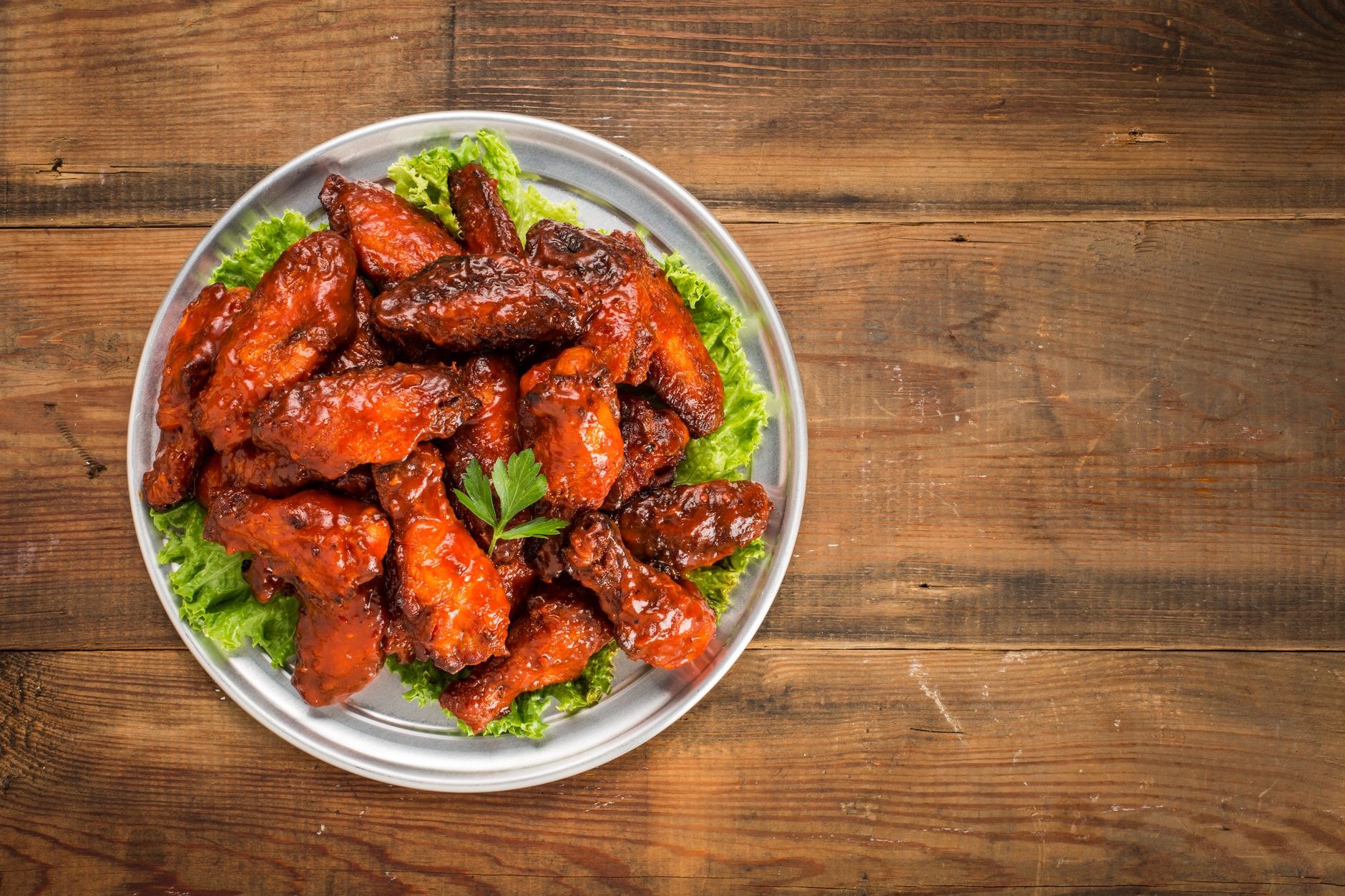
Buffalo sauce is a unique blend of flavors that has captured the hearts and taste buds of many. This tangy, spicy sauce is a staple in many households, especially when it comes to chicken wings. But where did this beloved condiment originate? Understanding the history and roots of Buffalo sauce adds depth to its culinary applications.
This article dives into the birthplace of Buffalo sauce, the ingredients that make it special, and its evolution into various dishes. We’ll explore its cultural significance and provide tips for making your own version at home.
Where Was Buffalo Sauce Invented?
Buffalo sauce was invented in Buffalo, New York, in the early 1960s. It was created at the Anchor Bar by Teressa Bellissimo, who combined hot sauce with melted butter to coat deep-fried chicken wings. This innovation quickly gained popularity and set the stage for a new culinary phenomenon.
The Origins of Buffalo Sauce
Buffalo sauce has an interesting backstory that intertwines with the culinary culture of the American Northeast. The story begins in 1964, when Teressa Bellissimo and her husband Frank owned the Anchor Bar in Buffalo. One late night, they decided to create a snack for their son and his friends. Teressa deep-fried leftover chicken wings and tossed them in a spicy sauce made of hot sauce and butter.
The simple yet bold combination of melted butter and hot sauce transformed the wings into something extraordinary. Customers at the bar were captivated, leading to Buffalo wings becoming a staple not just at the Anchor Bar but in bars and restaurants nationwide.
The Key Ingredients in Buffalo Sauce
Understanding the essence of Buffalo sauce involves recognizing its key ingredients. The traditional Buffalo sauce recipe combines just a few elements, creating the flavor profile that people love.
- Hot Sauce: Typically made from cayenne peppers, vinegar, and salt. Frank’s RedHot is the most common choice, known for its balance of heat and flavor.
- Butter: Adds richness and helps to mellow the heat of the hot sauce. It creates a smooth, glossy finish that coats the wings beautifully.
- Optional Additives: Some variations may include garlic powder, onion powder, or even Worcestershire sauce for additional depth.
Variations of Buffalo Sauce
While the classic Buffalo sauce recipe is simple and effective, there are several variations that cater to different tastes and dietary needs. Here are a few popular adaptations:
- Bourbon Buffalo Sauce: Incorporates bourbon for a sweeter, more complex flavor.
- Honey Buffalo Sauce: Adds honey for sweetness, balancing out the heat of the hot sauce.
- Mango Habanero Sauce: A fruity twist, combining mango with habanero peppers for a unique take.
How to Make Buffalo Sauce at Home
Making Buffalo sauce at home is easy and allows for personalization. Here’s a simple recipe to make about one cup of Buffalo sauce:
Ingredients
- 1 cup hot sauce (preferably Frank’s RedHot)
- 1/2 cup unsalted butter
- 1 teaspoon garlic powder (optional)
- 1/2 teaspoon onion powder (optional)
- 1/2 teaspoon Worcestershire sauce (optional)
Essential Equipment
- Small saucepan
- Whisk or spatula
- Measuring cups and spoons
Preparation Method
- Begin by melting the butter in a small saucepan over low heat.
- Once melted, add the hot sauce and stir well until fully combined.
- If desired, mix in garlic powder, onion powder, and Worcestershire sauce, whisking until incorporated.
- Heat gently while stirring for about 2–3 minutes to blend the flavors.
- Remove from heat and allow to cool slightly before using.
This basic recipe is easily adjustable. Feel free to add more hot sauce for an extra kick or more butter for a richer sauce. The key is achieving the right balance that suits your taste.
Common Mistakes When Making Buffalo Sauce
While Buffalo sauce is straightforward to prepare, certain pitfalls can affect the final result. Here are some common mistakes to avoid:
- Overheating: Heating the sauce too much can cause it to separate or become overly thick. Always use low heat.
- Using the Wrong Hot Sauce: Not all hot sauces provide the same flavor. Stick to classic Louisiana-style hot sauces for the best results.
- Skipping Butter: The butter is essential for creating the signature texture and flavor. Don’t skip it!
Buffalo Sauce and Its Culinary Uses
Buffalo sauce is versatile and can be used in various dishes beyond the traditional chicken wings. Here are some popular culinary applications:
- Buffalo Cauliflower: A tasty vegetarian option, cauliflower florets are coated in Buffalo sauce and baked or fried.
- Buffalo Chicken Dip: A popular party appetizer made by mixing shredded chicken, cream cheese, ranch dressing, and Buffalo sauce.
- Buffalo Burgers: Mixing Buffalo sauce into burger patties or topping burgers for a spicy kick.
Buffalo Sauce on Meat Alternatives
With the rise in plant-based diets, Buffalo sauce has found its way onto various meat alternatives. Whether drenching tofu, seitan, or tempeh, the sauce provides a delicious flavor boost. Keep in mind that marinating or tossing the product in Buffalo sauce before cooking allows for better penetration of the flavors.
Buffalo Sauce Storage and Reheating
Making Buffalo sauce in batches can be a great time-saving strategy. Here’s how to store and reheat it efficiently:
Storage Tips
- Cool the sauce to room temperature before transferring it to an airtight container.
- Store in the refrigerator for up to one week.
- For long-term storage, freeze the sauce in ice cube trays or freezer-safe bags up to 3 months.
Reheating Instructions
- For refrigerated sauce, gently reheat it in a saucepan over low heat, stirring frequently.
- For frozen sauce, thaw in the refrigerator overnight and then reheat as mentioned above.
- Do not microwave Buffalo sauce to reheat, as it can separate and lose its texture.
Buffalo Sauce and Cultural Impact
The influence of Buffalo sauce has grown far beyond Buffalo, New York. It has become a comfort food across the United States and is even celebrated on National Chicken Wing Day on July 29th. Various establishments have created unique dishes that feature this sauce, signifying its cultural acceptance and popularity.
Sports games, summer barbecues, and casual gatherings often feature Buffalo wings as a centerpiece. Its robust flavor and ability to complement a variety of dishes make Buffalo sauce a cherished ingredient in American cuisine.
Exploring Beyond the Classics: Creative Uses of Buffalo Sauce
While chicken wings remain the go-to dish for Buffalo sauce, culinary creativity offers many other ways to incorporate this addictive condiment:
- Buffalo Tacos: Swap traditional taco fillings for shredded buffalo chicken or a plant-based alternative.
- Buffalo Salad: Use Buffalo chicken strips or Buffalo cauliflower on a bed of mixed greens, topped with blue cheese dressing.
- Buffalo Pizza: Spread Buffalo sauce instead of marinara or as a topping for pizza, mixing in chicken or vegetables.
Conclusion
Buffalo sauce is more than just a condiment; it represents a culinary evolution stemming from a small city in New York. Its adaptability makes it a fantastic ingredient in various applications, allowing you to experiment in the kitchen. Whether you stick to the classic wings or explore other dishes, Buffalo sauce offers a delicious kick that can elevate your cooking and entertaining.
For those looking to broaden their culinary horizons further, check out our recipes for Hot Honey Recipe and Mango Habanero Sauce Recipe. Both can complement your adventures in flavor pairing with Buffalo sauce!