
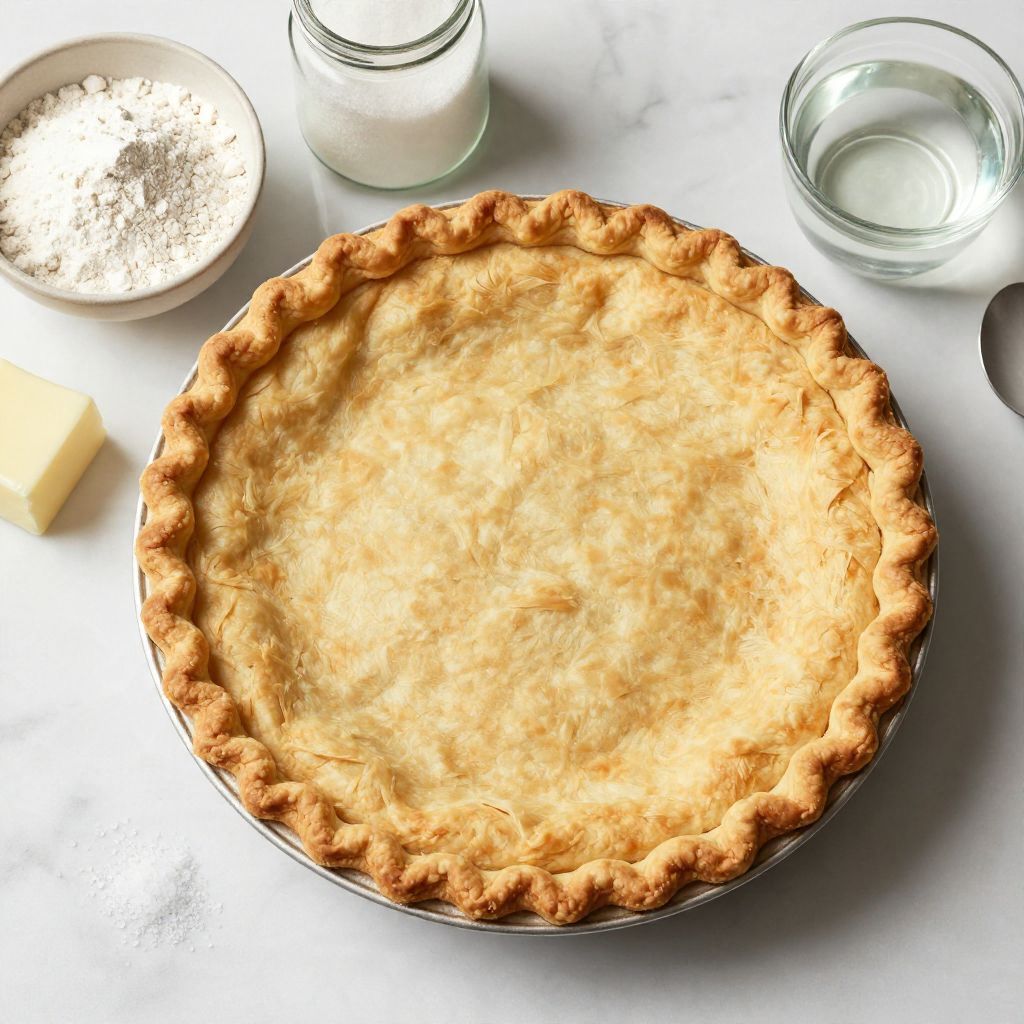
There’s something magical about the aroma of a freshly baked pie wafting through the kitchen. This Vegan Pie Crust Recipe is a staple for anyone looking to whip up a delightful dessert without dairy or eggs. It’s flaky, tender, and surprisingly easy to make, plus it’s versatile enough to hold any filling you can dream up. Whether you are preparing a classic fruit pie or a rich chocolate tart, this crust sets the stage beautifully. Let’s dive into the ingredients and get started!
Why You’ll Love This Recipe
This pie crust is a must-try for both vegans and non-vegans alike. You’ll appreciate its simplicity and deliciousness.
- Quick to prepare with minimal ingredients.
- Flaky texture that rivals traditional crusts.
- Perfect for both sweet and savory pies.
- Can be made ahead and frozen for later use.
- Completely dairy-free and egg-free.
My Experience Making This Recipe
When I first attempted this vegan pie crust, I was pleasantly surprised by how easy it was to achieve that perfect flaky texture. The first time I served it at a family gathering, everyone raved about it, completely unaware that it was vegan.
The crust holds up beautifully with various fillings, and I love how it can adapt to both sweet and savory recipes. Each time I make it, I find myself thinking about all the fillings I want to try next.
Recipe Overview
- Recipe Name: Vegan Pie Crust
- Servings: 8
- Prep Time: 15 minutes
- Cook Time: 30 minutes
- Total Time: 45 minutes
- Course: Dessert
- Cuisine: Vegan
- Calories per Serving: 150
Equipment You Will Need
- Mixing bowl
- Rolling pin
- Pie dish
- Whisk or fork
- Plastic wrap
Ingredients for Vegan Pie Crust
- 1 ½ cups all-purpose flour
- ½ cup coconut oil, solid
- ¼ cup granulated sugar
- 1/4 teaspoon salt
- 4–5 tablespoons cold water
Ingredient Notes and Substitutions
- All-purpose flour: This gives a classic texture; you can substitute with whole wheat flour for a nuttier flavor.
- Coconut oil: Provides rich flavor and flakiness; vegan butter works well as a substitute.
- Granulated sugar: Sweetens the crust; you can use coconut sugar for a lower glycemic index.
- Salt: Balances flavors; leave it out if you’re on a low-sodium diet.
- Cold water: Helps bind the dough; use ice water for best results.
How to Make Vegan Pie Crust
Step 1: Combine Dry Ingredients
In a mixing bowl, whisk together the flour, sugar, and salt. This ensures that the ingredients are evenly distributed.
Step 2: Add Coconut Oil
Using a fork or pastry cutter, cut in the solid coconut oil until the mixture resembles coarse crumbs. This step is crucial for achieving that flaky texture.
Step 3: Add Cold Water
Gradually add the cold water, one tablespoon at a time, mixing until the dough holds together. Be careful not to overwork it; you want to keep that flakiness!
Step 4: Form the Dough
Once the dough is combined, shape it into a ball. Flatten it slightly into a disk to make rolling easier.
Step 5: Chill the Dough
Wrap the dough in plastic wrap and refrigerate for at least 30 minutes. Chilling helps to firm up the coconut oil, improving the crust’s texture.
Step 6: Roll Out the Dough
On a lightly floured surface, roll out the dough into a circle about 12 inches in diameter. Make sure it is even to promote consistent baking.
Step 7: Transfer to Pie Dish
Carefully transfer the rolled dough to your pie dish, pressing it gently into place. Trim the excess dough hanging over the edges.
Step 8: Pre-bake (if needed)
Pre-bake the crust at 375°F (190°C) for 10-15 minutes if your filling requires a baked crust. This step ensures your pie won’t have a soggy bottom.
Pro Tip: For extra flakiness, make sure your coconut oil is solid and cold before mixing.
Tips for the Best Vegan Pie Crust
- Use icy water to keep the dough cold throughout the process.
- Don’t skip the chilling step; it’s key for a flaky crust.
- Make sure to roll the dough evenly to prevent uneven baking.
- Consider adding spices like cinnamon or nutmeg for a flavor boost.
- Always pre-bake if your filling requires it; this avoids sogginess.
Common Mistakes to Avoid
- Overworking the dough can lead to a tough crust; mix just until combined.
- Not chilling the dough leads to a greasy texture; always refrigerate.
- Using warm coconut oil can ruin flakiness; ensure it’s solid.
- Not rolling the dough evenly can cause uneven baking; keep it uniform.
- Skipping the flour on your surface may lead to sticking; always dust lightly.
Serving Suggestions
This pie crust pairs beautifully with a variety of fillings. Here are some delicious ideas:
- Classic apple pie with cinnamon and nutmeg.
- Rich chocolate cream pie topped with coconut whipped cream.
- Savory quiche filled with vegetables and tofu.
- Mixed berry pie bursting with fresh fruit flavors.
- Lemon meringue pie for a sweet and tangy treat.
Variations to Try
- Use almond flour for a gluten-free option; it adds a nutty flavor.
- Swap in olive oil for a different flavor profile.
- Add cocoa powder for a chocolate version perfect for dessert pies.
- Incorporate herbs like rosemary or thyme for savory dishes.
- Experiment with different sweeteners like maple syrup for a unique taste.
Dietary Adaptations
- Gluten-free: Substitute all-purpose flour with a gluten-free blend.
- Dairy-free: This recipe is already dairy-free with coconut oil.
- Vegan/Vegetarian: Entirely vegan-friendly as written.
- Low-carb/Keto: Use almond flour or a keto-friendly flour blend.
Storage and Reheating
Refrigerator
Store leftover pie crust in an airtight container in the fridge for up to 3 days.
- Wrap it tightly to prevent drying out.
Freezer
You can freeze the unbaked pie crust for up to 2 months.
- Wrap it in plastic wrap and then in foil for best results.
Reheating
To reheat a frozen crust, thaw it in the refrigerator overnight before baking.
- Pre-bake as needed according to your pie filling.
Nutrition Information
| Nutrient | Amount |
|---|---|
| Calories | 150 |
| Total Fat | 7g |
| Saturated Fat | 6g |
| Carbohydrates | 22g |
| Fiber | 1g |
| Sugar | 2g |
| Protein | 2g |
| Sodium | 70mg |
| Cholesterol | 0mg |
This nutritional information may vary based on specific ingredients used.
Frequently Asked Questions
Can I make this pie crust ahead of time?
Yes, you can prepare the crust and refrigerate it for up to 3 days or freeze it for up to 2 months.
What can I substitute for coconut oil?
You can use vegan butter or any solid plant-based fat as a substitute for coconut oil.
How do I prevent the crust from getting soggy?
Pre-baking the crust before adding wet fillings can help prevent sogginess.
Can I use this recipe for savory pies?
Absolutely! This crust works wonderfully for savory fillings like quiche or vegetable pies.
What if my dough is too crumbly?
If your dough is crumbly, add an extra tablespoon of cold water until it comes together.
Final Thoughts
This Vegan Pie Crust Recipe is a delightful addition to your baking repertoire, offering endless possibilities for delicious fillings. I hope you enjoy making and sharing it as much as I do.
For more delightful recipes, be sure to check out this Betty Crocker Pie Crust Recipe and my Quiche Crust Recipe for even more pie-making fun.