
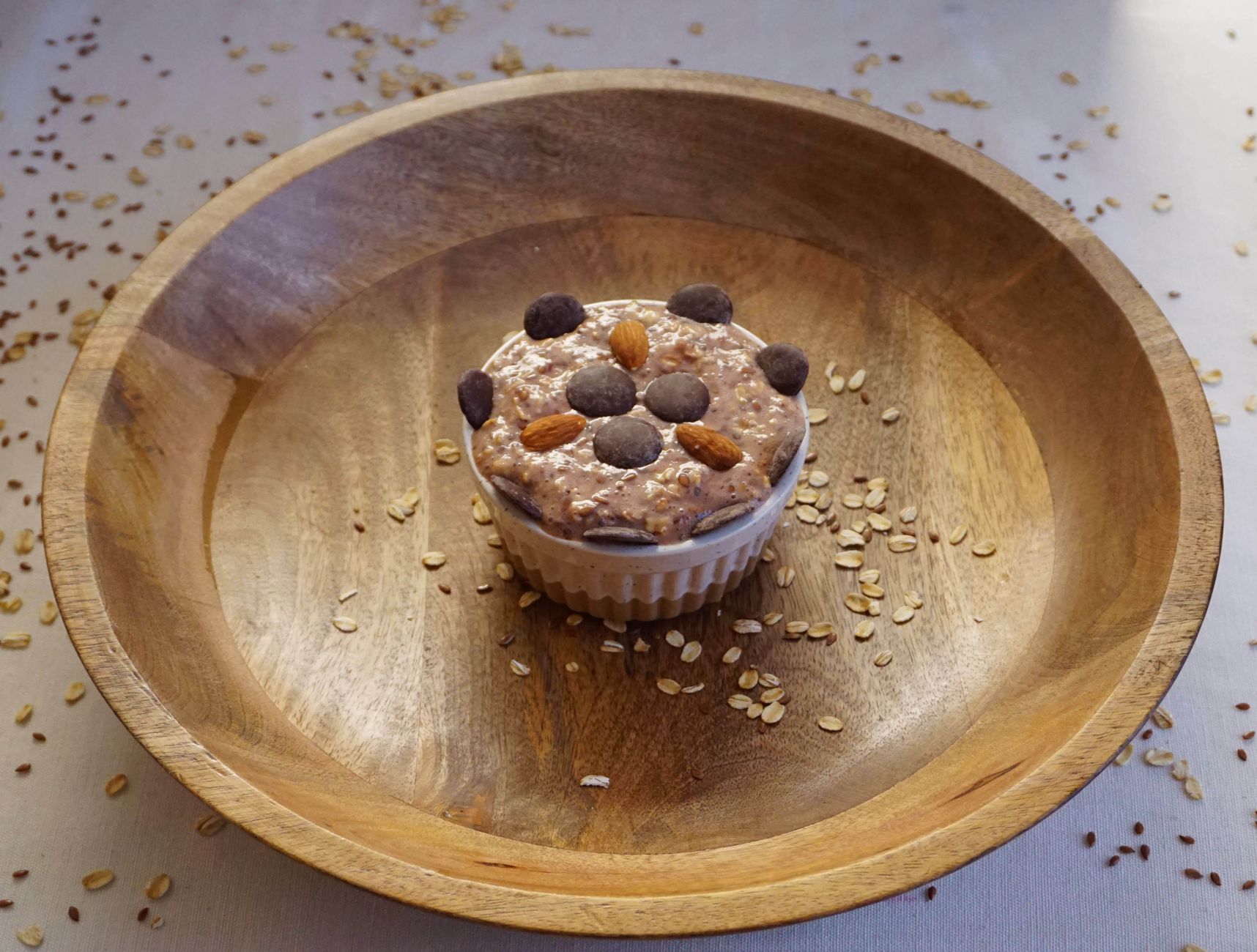
Oat bran, a byproduct of the oat milling process, has gained popularity as a nutritious ingredient in various diets. Often overlooked, oat bran is rich in fiber, vitamins, and minerals, making it a valuable addition to your meals. This article explores the nutritional benefits of oat bran, its potential health advantages, and how to incorporate it into your diet.
Understanding the role of oat bran in nutrition can help inform your food choices and meal planning. Whether you’re seeking to add fiber to your diet, manage your weight, or simply explore healthier food options, knowing if oat bran is good for you can lead to better decisions in the kitchen.
Is Oat Bran Good for You?
Yes, oat bran is good for you. It is high in dietary fiber, particularly soluble fiber known as beta-glucan, which can help lower cholesterol levels, improve gut health, and manage blood sugar levels. Additionally, oat bran contains essential nutrients like protein, iron, magnesium, and several B vitamins.
Nutritional Profile of Oat Bran
To appreciate oat bran’s health benefits, it is helpful to examine its nutritional profile. Here are some key components found in a typical 100-gram serving of oat bran:
- Calories: 246
- Protein: 15 g
- Carbohydrates: 66 g
- Dietary Fiber: 15 g
- Fat: 7 g
- Iron: 4.5 mg (25% of the Daily Value)
- Magnesium: 177 mg (44% of the Daily Value)
- B Vitamins: Including B1, B3, and B5
Health Benefits of Oat Bran
Incorporating oat bran into your diet can offer various health benefits. Here are some of the most notable:
1. High Fiber Content
The substantial fiber content in oat bran contributes to several health benefits. Soluble fiber, such as beta-glucan, is particularly effective in:
- Lowering cholesterol levels: Beta-glucan forms a gel-like substance in the gut that can help reduce LDL (bad) cholesterol.
- Regulating blood sugar: Oat bran can slow down glucose absorption, leading to more stable blood sugar levels.
- Promoting digestive health: A high fiber diet aids in regular bowel movements and prevents constipation.
2. Weight Management
The fiber in oat bran increases feelings of fullness, potentially aiding in weight management. When included as part of a balanced diet, oat bran can help control hunger pangs and reduce calorie intake.
3. Nutrient-Rich
Oat bran is a source of essential nutrients. The presence of iron and magnesium supports energy production and overall metabolism, while B vitamins are crucial for brain health and energy levels.
4. Heart Health
Regular consumption of oat bran may contribute to heart health. Its ability to lower cholesterol levels, in conjunction with a balanced diet, can reduce the risk of cardiovascular diseases.
How to Incorporate Oat Bran into Your Diet
Adding oat bran to your meals is easy and versatile. Here are some practical tips for incorporating it into your daily diet:
1. Breakfast Options
Oat bran can be a delicious addition to breakfast. Consider these methods:
- Oat Bran Hot Cereal: Cook oat bran with water or milk for a warming breakfast option. Top with fruits, nuts, or honey for added flavor.
- Smoothies: Blend oat bran into smoothies to increase fiber content without altering the flavor significantly.
- Overnight Oats: Mix oat bran with yogurt or milk, let it sit overnight, and enjoy a hearty breakfast the next morning.
2. Baking Incorporation
Oat bran can enhance baked goods not only nutritionally but also in texture. Consider these ideas:
- Cookies: Substitute a portion of flour in cookie recipes with oat bran for an added fiber boost.
- Muffins: Use oat bran in muffin recipes to create a denser texture and improve nutritional value.
- Bread: Incorporate oat bran into your bread dough for greater fiber and a subtle nutty flavor.
3. Snack Enhancements
Oat bran can also play a role in healthy snacking:
- Granola Bars: Add oat bran to homemade granola bars for added crunch and nutrition.
- Energy Bites: Mix oat bran with nut butter, honey, and other ingredients to form energy bites.
4. Savory Dishes
Oat bran isn’t just for sweet dishes; it can be used in savory dishes as well:
- Soups: Stir in oat bran to thicken soups and stews while adding fiber.
- Meatballs or Patties: Use oat bran as a binding agent in meat dishes as a healthy substitute for breadcrumbs.
Common Mistakes When Using Oat Bran
While oat bran is nutrient-dense, there are common mistakes that may affect its benefits:
- Not Storing Properly: Oat bran should be stored in a cool, dry place, preferably in an airtight container. Improper storage can lead to rancidity due to the fat content.
- Overconsumption: Introduce oat bran gradually into your diet to avoid digestive discomfort. Too much fiber at once can lead to bloating or gas.
- Relying Solely on Oat Bran: While beneficial, oat bran should be part of a well-rounded diet that includes a variety of foods to ensure you receive all necessary nutrients.
Practical Substitutions for Oat Bran
If you find yourself without oat bran or need an alternative, consider these substitutions:
- Wheat Bran: A similar product, wheat bran can typically be substituted in equal amounts, although it has a different flavor and slightly different nutritional profile.
- Ground Flaxseeds: These can provide a similar fiber content and healthy fats but will yield a different texture.
- Coconut Flour: This is another fiber-rich ingredient, but it is denser, so use about one-quarter of the amount of oat bran called for in recipes.
FAQs About Oat Bran
Is oat bran gluten-free?
Oat bran is naturally gluten-free; however, it can often be contaminated with gluten during processing. If you are gluten-sensitive or have celiac disease, look for certified gluten-free oat bran.
How much oat bran should I consume daily?
A typical serving size is about 1/4 to 1/2 cup per day, but it’s essential to listen to your body and adjust according to your dietary needs and fiber tolerance.
Can I eat raw oat bran?
While raw oat bran is safe to eat, it’s often more beneficial when cooked or mixed with liquids, as this enhances digestibility and nutrient absorption.
Storage and Shelf Life of Oat Bran
Oat bran should be stored in an airtight container in a cool, dry place. This can extend its shelf life to about six months. In the refrigerator, it can last up to a year. Always check for an off smell or taste before use, as these can indicate spoilage.
Conclusion
Oat bran offers a myriad of health benefits, from improving heart health to aiding digestion with its high fiber content. Including this nutrient-rich ingredient in your diet can easily be achieved through various meals and snacks. With its versatility and benefits, oat bran is undoubtedly a food you should consider incorporating into your culinary repertoire.
Explore ways to enhance your cooking with oat bran and discover related recipes or food guides, such as our bran muffin recipe or chia pudding with coconut milk. These resources can help you make the most of oat bran and other nutritious ingredients.