
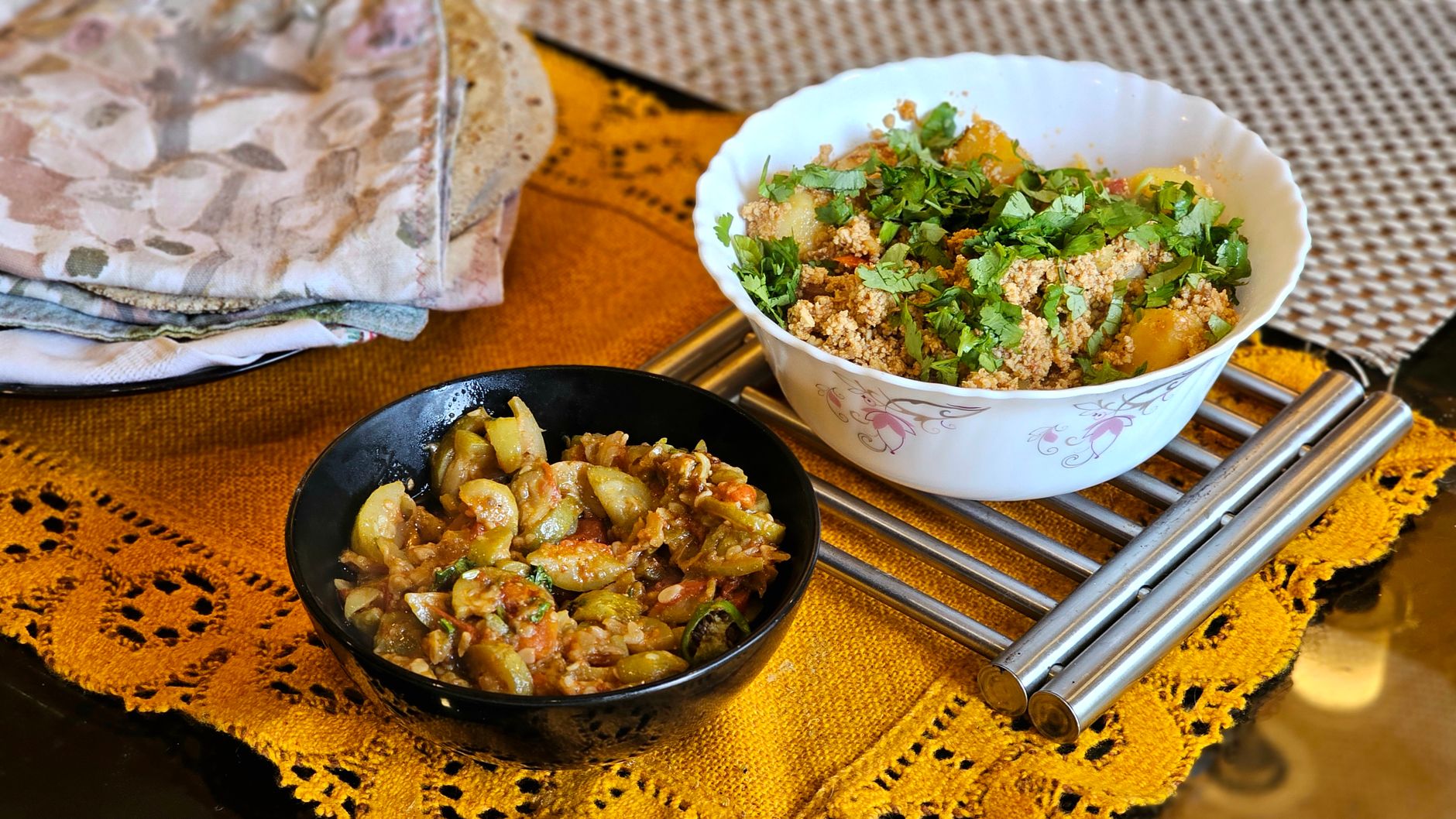
Rutabaga, often considered a humble root vegetable, boasts a delightful sweet and slightly peppery flavor. Its creamy texture when cooked makes it a fantastic addition to a variety of dishes. This versatile vegetable can be roasted, mashed, boiled, or even incorporated into soups and stews, making it a splendid choice not only for winter meals but year-round.
In this guide, we’ll cover everything you need to know about cooking rutabaga, including preparation methods, cooking times, serving suggestions, and various cooking techniques. Whether you’re a seasoned chef or a beginner, understanding how to properly cook rutabaga will elevate your culinary repertoire.
How Do You Cook Rutabaga?
To cook rutabaga, first peel and cut it into uniform pieces before boiling, roasting, or mashing it. Cooking times can vary depending on the method used, but generally, rutabaga takes about 20-30 minutes to cook through. The key to perfect rutabaga lies in ensuring it’s cooked until tender yet retains a bit of firmness.
Understanding Rutabaga
Rutabaga is a cruciferous vegetable that results from a cross between cabbage and turnips. It has a thick, creamy-yellow flesh with a slightly waxy skin that can be purple or yellow. When selecting rutabaga, look for firm ones that feel heavy for their size and avoid any with soft spots or wrinkled skin.
Flavor Profile
The flavor of rutabaga is earthy and slightly sweet, similar to turnips but less bitter. When cooked, it becomes tender and creamy, making it an excellent base for mashes, purees, or side dishes. Its subtle sweetness allows it to pair well with a variety of flavors, including savory herbs, spices, and butter.
Nutritional Benefits
Rutabagas are a low-calorie vegetable, rich in fiber, vitamin C, potassium, and antioxidants. They can be a healthy addition to many dishes, aiding in digestion and offering various health benefits.
Preparing Rutabaga for Cooking
Preparation is key to successfully cooking rutabaga. Follow these steps for optimal results:
- Wash the Rutabaga: Rinse under cold water to remove any dirt or debris.
- Peel the Skin: Use a vegetable peeler or a sharp knife to remove the tough outer skin. Be careful, as rutabagas can be quite dense.
- Cut into Uniform Pieces: Chop the rutabaga into evenly sized cubes or slices to ensure even cooking. A size of about 1 inch is generally recommended.
Cooking Methods for Rutabaga
There are several methods for cooking rutabaga, each yielding delicious results. Here are the most common techniques:
Boiling Rutabaga
Boiling is one of the simplest methods to cook rutabaga, ideal for making purées or mashes.
Ingredients
- 1 medium rutabaga (about 1-1.5 pounds)
- Salt (to taste)
- Water (enough to cover the rutabaga)
- Butter or olive oil (for mashing, optional)
Instructions
- Prepare the rutabaga by peeling and dicing it into 1-inch cubes.
- In a large pot, add the cubed rutabaga and enough water to cover it.
- Add a pinch of salt to the water for flavor and bring to a boil over medium-high heat.
- Once boiling, reduce the heat to medium and simmer for about 20-30 minutes, or until the rutabaga pieces are tender when pierced with a fork.
- Drain the rutabaga and, if making a mash, return it to the pot. Mash it with a potato masher, adding butter or olive oil for richness, and season with salt and pepper to taste.
Roasting Rutabaga
Roasting adds a nice caramelized flavor to rutabaga and enhances its sweetness.
Ingredients
- 1 medium rutabaga, peeled and cubed
- 2 tablespoons olive oil
- Salt and pepper (to taste)
- Herbs (like thyme or rosemary, optional)
Instructions
- Preheat your oven to 425°F (220°C).
- Toss the rutabaga cubes with olive oil, salt, pepper, and herbs in a mixing bowl.
- Spread the seasoned rutabaga on a baking sheet in a single layer.
- Roast for 25-30 minutes, or until the rutabaga is golden and tender, flipping halfway through for even browning.
Mashing Rutabaga
Mashing rutabaga gives it a creamy, smooth texture, perfect as a side dish.
Ingredients
- 1 medium rutabaga, peeled and diced
- 2 tablespoons butter
- Salt and pepper (to taste)
- Milk or cream (optional, for a creamier texture)
Instructions
- Follow the boiling method to cook the diced rutabaga until tender.
- Drain and return it to the pot. Add butter, salt, and pepper.
- Mash until smooth. If desired, add a splash of milk or cream for extra creaminess.
Using Rutabaga in Soups and Stews
Rutabaga adds depth and flavor to soups and stews, making them heartier.
Ingredients
- 1 medium rutabaga, peeled and diced
- Additional vegetables (carrots, potatoes, etc.)
- Broth (vegetable or chicken, as needed)
- Herbs and spices (to taste)
Instructions
- In a large pot, heat a small amount of oil over medium heat and add chopped onions, garlic, or other base vegetables.
- Once softened, add the diced rutabaga and any other vegetables along with enough broth to cover.
- Bring to a boil, then reduce to a simmer. Cook for about 30-40 minutes until all the vegetables, including the rutabaga, are tender.
- Season to taste and serve hot.
Serving Suggestions and Pairings
Rutabaga can be served in various ways, making it a versatile addition to many meals:
- As a side dish: Serve mashed rutabaga with roasted meats or poultry.
- In medleys: Combine roasted rutabaga with other root vegetables like carrots, parsnips, or sweet potatoes.
- In salads: Add roasted rutabaga to mixed greens with a tangy vinaigrette.
- In casseroles: Layer cooked rutabaga in gratins or baked dishes for added flavor and nutrition.
Common Mistakes and Troubleshooting
Cooking rutabaga can be straightforward, but here are some common pitfalls to avoid:
- Not peeling thoroughly: The skin can be tough and bitter, so ensure it’s fully removed.
- Cooking without uniform size: Irregular pieces may result in uneven cooking. Try to aim for even sizes.
- Overcooking: While rutabaga should be tender, overcooking can lead to a watery texture. Keep an eye on cooking times.
Storage and Reheating Tips
Storing leftover cooked rutabaga properly will maintain its quality:
- Refrigerate cooked rutabaga in an airtight container for up to 4 days.
- To freeze, place cooled cooked rutabaga in freezer bags or containers for up to 3 months.
- Reheat in a microwave or stovetop, adding a splash of water if it seems dry.
Variations and Substitutions
If you’re looking to switch up the flavor of your rutabaga dish, consider these variations and substitutions:
- Add spices such as paprika or cumin to the cooking process for a different flavor profile.
- Mix rutabaga with mashed potatoes, sweet potatoes, or carrots for a unique mash.
- For a healthier alternative, try using vegetable broth when making soup instead of chicken broth.
Conclusion
Rutabaga is an immensely versatile and flavorful vegetable that can elevate your meals with its unique taste and nutritional benefits. Whether you choose to boil, roast, or mash it, understanding the cooking techniques and preparation methods outlined in this guide will help you enjoy rutabaga in various delicious ways.
Next time you find rutabaga at the market, don’t hesitate to take it home and experiment with these techniques to incorporate this nutritious vegetable into your meals. For more cooking tips and inspiration, explore our other guides and recipes for vegetables, side dishes, or our comprehensive meal planning advice.