
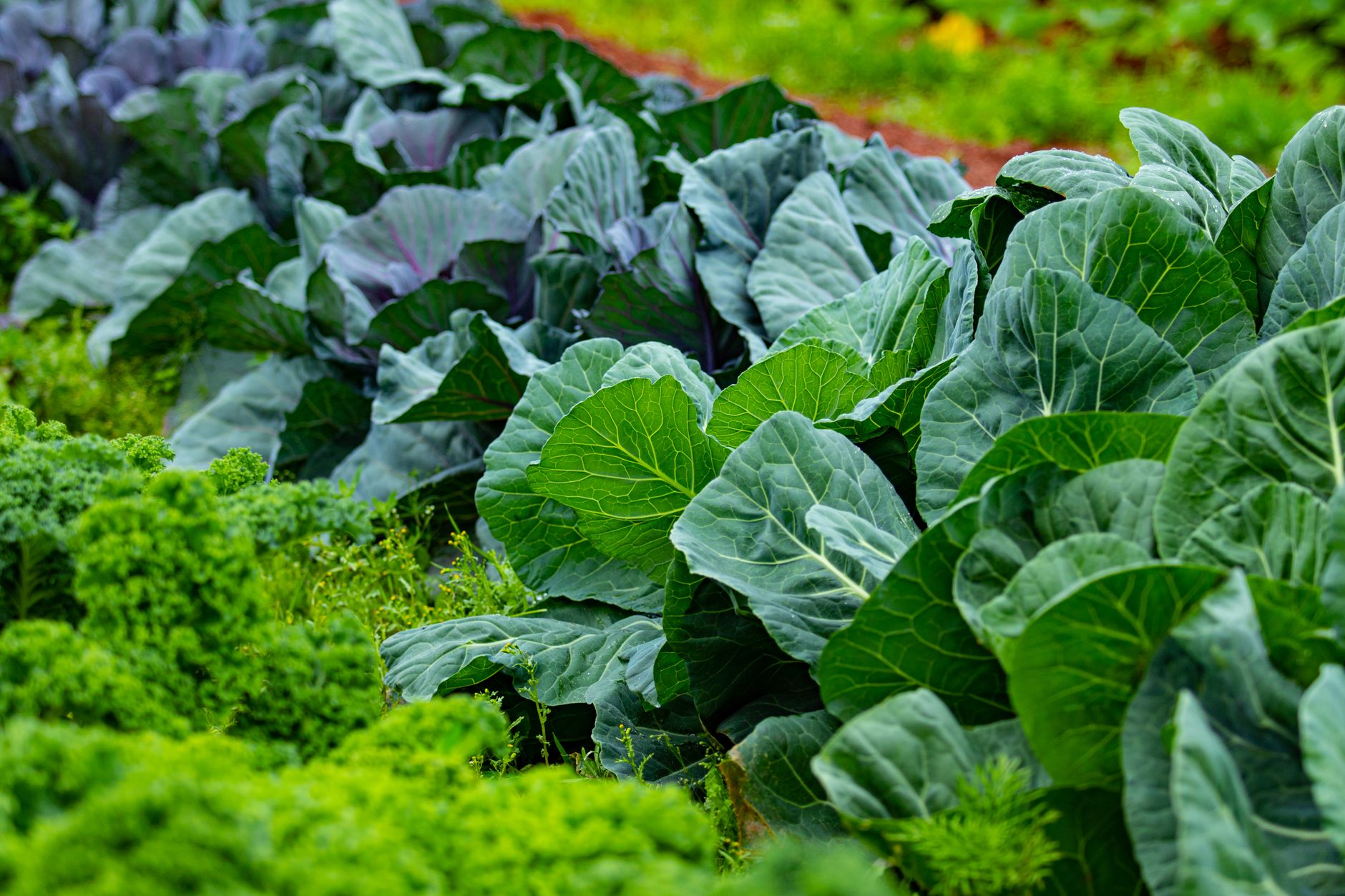
Kale is often celebrated as a superfood, known for its abundant nutritional properties. One question that frequently arises is, “Is there protein in kale?” Understanding the protein content in kale and how it fits into your dietary needs can help you make informed choices about including this leafy green in your meals.
This article will delve into the protein content of kale, explore its nutrition facts, and provide insights on serving sizes. We’ll also discuss the benefits of incorporating kale into your diet, practical tips for preparation, and suitable substitutions for those looking to enhance their meals.
Is There Protein in Kale?
Yes, kale does contain protein, though it is not considered a high-protein food by conventional standards. A 100-gram serving of raw kale typically provides about 2-3 grams of protein. While this isn’t a significant amount compared to animal sources like chicken or beef, kale’s nutritional profile is enhanced by its vitamins, minerals, and antioxidants, making it a valuable addition to a well-rounded diet.
Nutritional Breakdown of Kale
To appreciate the role of protein in kale, it helps to understand its overall nutritional value. Below is a breakdown of the nutrients commonly found in a 100-gram serving of raw kale:
- Calories: 35
- Protein: 2-3 grams
- Carbohydrates: 6 grams
- Dietary Fiber: 2 grams
- Fat: 1 gram
- Vitamin K: 413% of the Daily Value (DV)
- Vitamin A: 206% of the DV
- Vitamin C: 200% of the DV
- Calcium: 15% of the DV
- Iron: 5% of the DV
- Magnesium: 6% of the DV
Kale is exceptionally high in vitamins K and A, and vitamin C, which support various bodily functions and overall health. The small amount of protein it provides can contribute to your daily intake, especially when paired with other protein sources.
Why Include Kale in Your Diet?
Incorporating kale into your diet can offer numerous health benefits:
- Rich in Antioxidants: Kale contains powerful antioxidants like quercetin and kaempferol, which help combat oxidative stress and inflammation.
- Heart Health: The high levels of antioxidants, combined with fiber, are beneficial for maintaining heart health and lowering cholesterol levels.
- Bone Health: The high vitamin K content in kale plays a crucial role in bone health and calcium absorption.
- Weight Management: With low calories and high fiber, kale can help promote a feeling of fullness, making it a great choice for those looking to manage their weight.
How to Prepare and Serve Kale
Kale can be prepared in various ways to suit different recipes and personal tastes. Here are some popular methods for incorporating it into your meals:
Raw Kale
- Wash: Rinse the leaves thoroughly to remove dirt and debris.
- De-stem: Remove the tough stems by folding the leaf in half and stripping the leaves away.
- Chop: Cut the leaves into bite-sized pieces.
- Massage: For salads, consider massaging the leaves with a drizzle of olive oil and a pinch of salt to soften them and enhance their flavor.
Cooked Kale
- Sauté: Heat a tablespoon of olive oil in a pan, add minced garlic, and once fragrant, toss in chopped kale. Stir until wilted and tender.
- Steam: Steam chopped kale for about 5-7 minutes until bright green and tender but still vibrant.
- Stir-fry: Add kale to stir-fries with other vegetables and proteins for a nutritious boost.
- Add to Soups: Kale can be stirred into soups and stews, allowing it to soften slightly while maintaining its nutrients.
Serving Sizes and Protein Pairings
When planning meals, consider how much kale to include. A serving size of raw kale is typically about 1 cup (approximately 67 grams), while cooked kale shrinks significantly, and a serving may be about 1/2 cup. Pairing kale with other protein sources can make for a nutrient-rich meal. Here are some great pairings:
- Kale and Quinoa: Combining kale with quinoa, which is a complete protein, increases the overall protein content of your meal.
- Kale and Chickpeas: Tossed in salads or blended into soups, chickpeas add both protein and fiber, making the meal more filling.
- Kale and Nuts: Adding almonds or walnuts to kale salads provides healthy fats and additional protein.
- Kale and Eggs: Sautéing kale with eggs for a breakfast scramble or adding it to an omelet gives a protein-packed start to your day.
Practical Substitutions for Kale
If you want to explore alternatives to kale, consider these options that also offer a range of nutrients, including protein:
- Spinach: While slightly lower in protein, spinach is versatile and can be substituted in salads, smoothies, and cooked dishes.
- Swiss Chard: Similar in texture and flavor, Swiss chard can be used in place of kale in most recipes.
- Collard Greens: These offer similar nutrients and can be cooked in a similar fashion, though they have a heartier texture.
- Mustard Greens: With a peppery flavor, mustard greens can add a unique twist to dishes typically featuring kale.
Common Mistakes in Cooking Kale
While preparing kale is simple, here are some pitfalls to avoid:
- Not Washing: Always wash kale thoroughly to remove soil and pesticides.
- Overcooking: Cooking kale too long can lead to a mushy texture and diminish its nutritional value. Aim for a vibrant green color.
- Ignoring the Stems: The stems are edible but require longer cooking times. Consider removing them and cooking separately if using them.
- Serving Unseasoned: Kale can taste bitter if left unseasoned. Adding a bit of salt, vinegar, or citrus can enhance its flavor.
Storage and Shelf Life
Properly storing kale will help you maximize its freshness:
- Refrigeration: Store unwashed kale in a plastic bag with a paper towel to absorb moisture. This can keep it fresh for up to a week.
- Freezing: For long-term storage, blanch kale leaves in boiling water for 2-3 minutes, cool them in ice water, and freeze in airtight containers.
- Prepared Dishes: Cooked kale dishes should be stored in the refrigerator and consumed within 3-5 days. Reheat gently to preserve texture.
Incorporating Kale into Daily Meals
Adding kale to your diet can be as simple as including it in your daily meals. Here are some practical ideas:
- Breakfast: Add kale to smoothies or omelets for a nutrient boost.
- Lunch: Use kale as the base for salads or add it to grain bowls.
- Dinner: Include sautéed kale as a side dish, or stir it into pastas and stews.
- Snacks: Make kale chips by baking kale with a sprinkle of salt and oil for a crunchy alternative to potato chips.
Incorporating kale into your meals is not only a great way to increase your nutrient intake but also adds vibrant color and texture to your dishes. Experimenting with various preparations and pairings can keep your meals exciting and help you meet your protein and nutritional needs.
Understanding the protein content in kale should inspire you to see this leafy green as more than just a side dish. By recognizing its versatile nature and nutrient density, you can creatively incorporate kale into various meals, making it a staple in your kitchen.
If you’re interested in learning more about the nutritional aspects of kale and other foods, consider exploring the fiber content in kale or finding out how much protein is in ground beef. Discover more recipes and tips to make the most of your meals.