
Understanding the foods that can raise cholesterol levels is essential for maintaining heart health. High cholesterol can lead to serious health issues, including heart disease and stroke. This article delves into the types of foods that can negatively impact cholesterol levels and offers suggestions for healthier alternatives.
By being mindful of dietary choices, you can take proactive steps to manage cholesterol levels effectively. Let’s explore the foods that contribute to high cholesterol, along with recommended dietary considerations to promote wellness.
What Foods Cause High Cholesterol?
Certain foods are known to raise cholesterol levels, particularly those high in saturated fats and trans fats. These fats can lead to increased low-density lipoprotein (LDL) cholesterol, often termed “bad” cholesterol, and a higher risk of cardiovascular diseases. Key foods to be aware of include:
1. Red Meat and Processed Meats
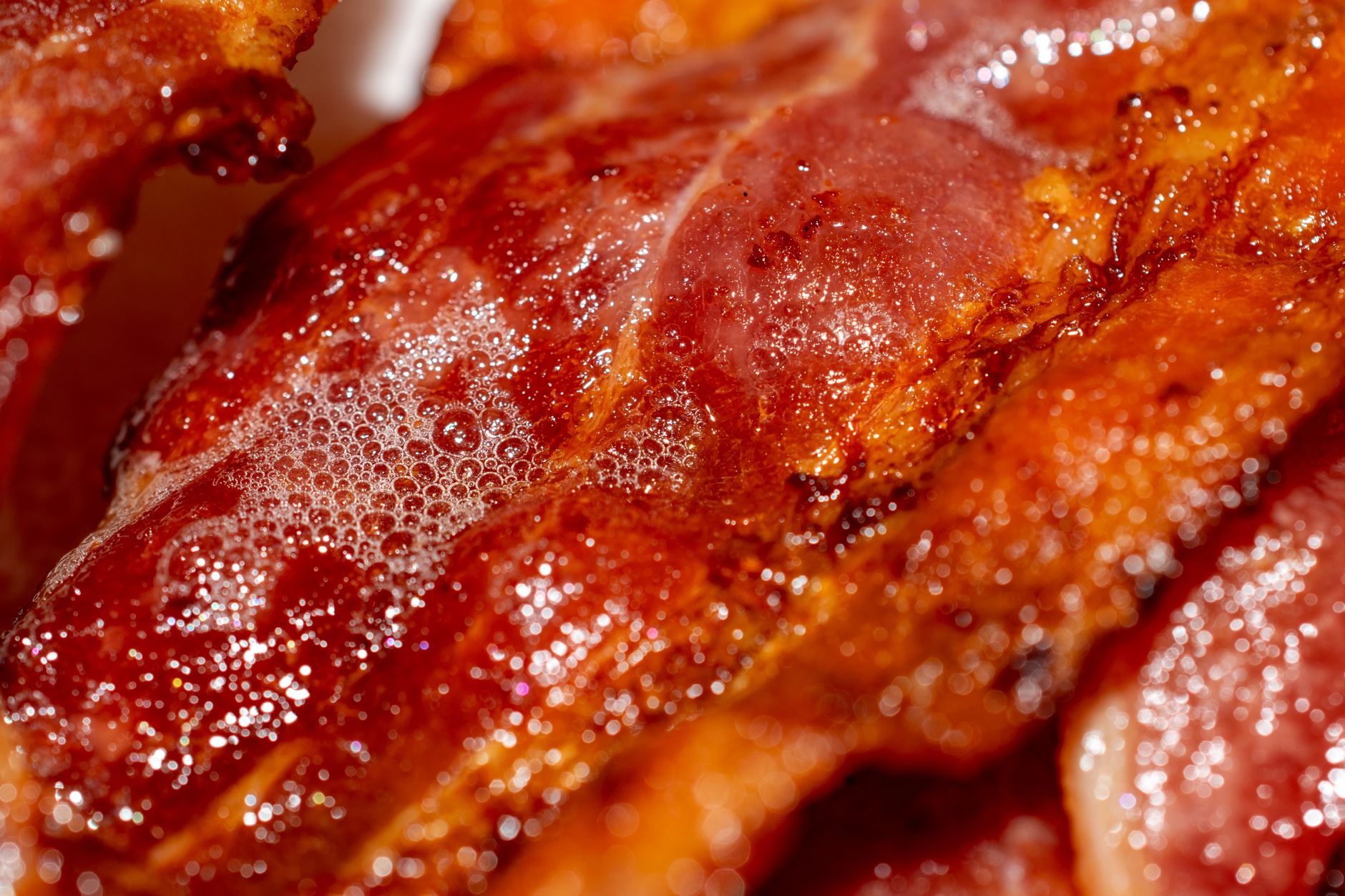
Red meat, including beef, pork, and lamb, is often high in saturated fats. Processed meats like sausages, hot dogs, and bacon are especially concerning as they also contain high levels of sodium and preservatives.
These meats can increase LDL cholesterol levels, contributing to plaque build-up in the arteries. Limit your intake of these meats and consider leaner protein options.
Healthier Alternatives:
- Skinless poultry (chicken or turkey)
- Fish (especially fatty fish like salmon, mackerel, and sardines)
- Plant-based proteins (beans, lentils, tofu)
2. Full-Fat Dairy Products
Products like whole milk, cheese, butter, and cream can be high in saturated fat. Consuming these full-fat options may lead to increased cholesterol levels, especially if consumed in large quantities.
Healthier Alternatives:
- Low-fat or non-fat dairy options (skim milk, low-fat yogurt)
- Plant-based milk (almond milk, soy milk)
- Low-fat cheese and yogurt options
3. Fried Foods
Fried foods are often cooked in oils high in trans fats, such as partially hydrogenated oils. Common fried favorites like fried chicken, French fries, and doughnuts can significantly raise cholesterol levels.
Trans fats not only elevate LDL cholesterol but also lower high-density lipoprotein (HDL) cholesterol, which is considered “good” cholesterol.
Healthier Alternatives:
- Baking, grilling, or steaming foods instead of frying
- Using healthy cooking oils in moderation (olive oil, avocado oil)
- Substituting air-fried cooking methods instead of traditional frying
4. Baked Goods and Sweets
Cakes, cookies, pastries, and other baked goods can be high in sugar, refined flour, and unhealthy fats. Many commercially packaged baked goods contain trans fats and are made with white flour, contributing to cholesterol issues.
Healthier Alternatives:
- Homemade treats using whole grain flours
- Reducing sugar content in recipes
- Using healthier fat substitutes (applesauce, mashed bananas) in baking
5. Fast Foods
The convenience of fast food often comes with unhealthy ingredients. Many fast food items are loaded with saturated fats, trans fats, and high levels of sodium. Regular consumption can quickly lead to increased cholesterol levels.
Healthier Alternatives:
- Preparing meals at home with fresh ingredients
- Opting for healthier menu items when dining out (grilled instead of fried)
- Choosing salads with lean proteins over heavy, fried options
6. Snack Foods
Many packaged snacks, such as chips, cookies, and microwave popcorn, can be high in unhealthy fats and refined sugars. These snacks often contain trans fats that significantly affect cholesterol levels.
Healthier Alternatives:
- Fresh fruit or vegetable sticks with hummus
- Nuts and seeds (in moderation)
- Whole grain crackers or rice cakes
7. Tropical Oils
Oils such as coconut oil, palm oil, and palm kernel oil are high in saturated fats. Although marketed as healthier alternatives, these oils can still raise cholesterol levels and should be used sparingly.
Healthier Alternatives:
- Olive oil and canola oil
- Avocado oil
- Flaxseed oil
8. Sugar-Loaded Foods
Excessive added sugars can lead to obesity, a significant risk factor for high cholesterol. Foods and drinks high in sugar—including sugary cereals, soft drinks, and candy—translate to unhealthy weight gain and cholesterol elevations.
Healthier Alternatives:
- Fresh fruit for natural sweetness
- Whole grain cereals with lower sugar content
- Water or naturally flavored seltzers instead of sugary drinks
9. Salty Foods
Foods with high sodium levels can contribute to heart disease. While sodium doesn’t directly affect cholesterol levels, high consumption can lead to high blood pressure, further complicating heart health.
Healthier Alternatives:
- Cooking with low-sodium ingredients
- Using herbs and spices for flavoring instead of salt
- Reading labels to choose lower-sodium options
Managing Cholesterol Through Diet
To effectively manage cholesterol levels, focus on a diet rich in whole, unprocessed foods. Incorporating more fruits, vegetables, whole grains, legumes, nuts, and seeds can provide essential nutrients while helping to reduce LDL cholesterol levels.
Foods to Include:
- Oats and barley, which contain soluble fiber that can help reduce cholesterol
- Beans, legumes, and lentils, which are rich in fiber and protein
- Fruits like apples, pears, and citrus fruits, known for their heart-healthy properties
- Fatty fish high in omega-3 fatty acids, which can benefit heart health
- Avocado and nuts, which supply healthy fats
Portion Control and Overall Nutrition
Along with choosing the right foods, portion control is vital in managing cholesterol levels. Eating larger portions of even healthy foods can lead to excess calorie intake, weight gain, and ultimately increased cholesterol levels.
Striving for a balanced diet, rich in diverse and colorful foods, is key to maintaining good health. Consider using a meal-planning approach to help with grocery shopping and ensure balanced meals throughout the week.
Meal Planning Tips for Lower Cholesterol
Successful meal planning can simplify your journey toward healthier eating. Here are practical tips to help you get started:
- **Plan Your Meals:** Dedicate time each week to plan your meals, outlining what you will eat for breakfast, lunch, and dinner, including snacks.
- **Shop Smart:** Make a grocery list based on your meal plan, focusing on whole foods while avoiding canned or packaged items high in unhealthy fats and sugars.
- **Batch Cooking:** Prepare several portions of healthy dishes to have on hand during the week. Consider making soups, stews, or casseroles that are easy to reheat.
- **Portion Management:** Use measuring cups or a food scale to manage portion sizes for proteins, grains, and fats to avoid overeating.
- **Experiment with Recipes:** Mix and match healthier recipes that promote low cholesterol. Explore various cuisines that highlight vegetables and grains.
Common Questions About Cholesterol and Diet
When navigating dietary concerns about cholesterol, you might have common questions. Below are a few frequently asked questions that could enhance your understanding:
Does cholesterol in food affect blood cholesterol levels?
Dietary cholesterol has less impact on blood cholesterol levels than saturated and trans fats. However, for some individuals, consuming high-cholesterol foods can still influence cholesterol levels.
What is the role of fiber in cholesterol management?
Fiber, particularly soluble fiber, helps to absorb cholesterol from the digestive system. Increasing fiber intake through whole grains, legumes, fruits, and vegetables can aid in lowering overall cholesterol levels.
How often should I check my cholesterol levels?
Adults should have their cholesterol levels checked every four to six years, but those at higher risk or with pre-existing conditions may require more frequent monitoring. Always consult your healthcare provider for personalized advice.
Conclusion
Maintaining healthy cholesterol levels is achievable through mindful dietary choices. By minimizing your intake of foods high in saturated and trans fats and replacing them with healthier options, you’ll be equipped to better manage your cholesterol and overall heart health.
Explore our other guides, including tips on cooking with whole grains, healthy snack ideas, and meal prep strategies, to further enrich your culinary experience and health journey.