
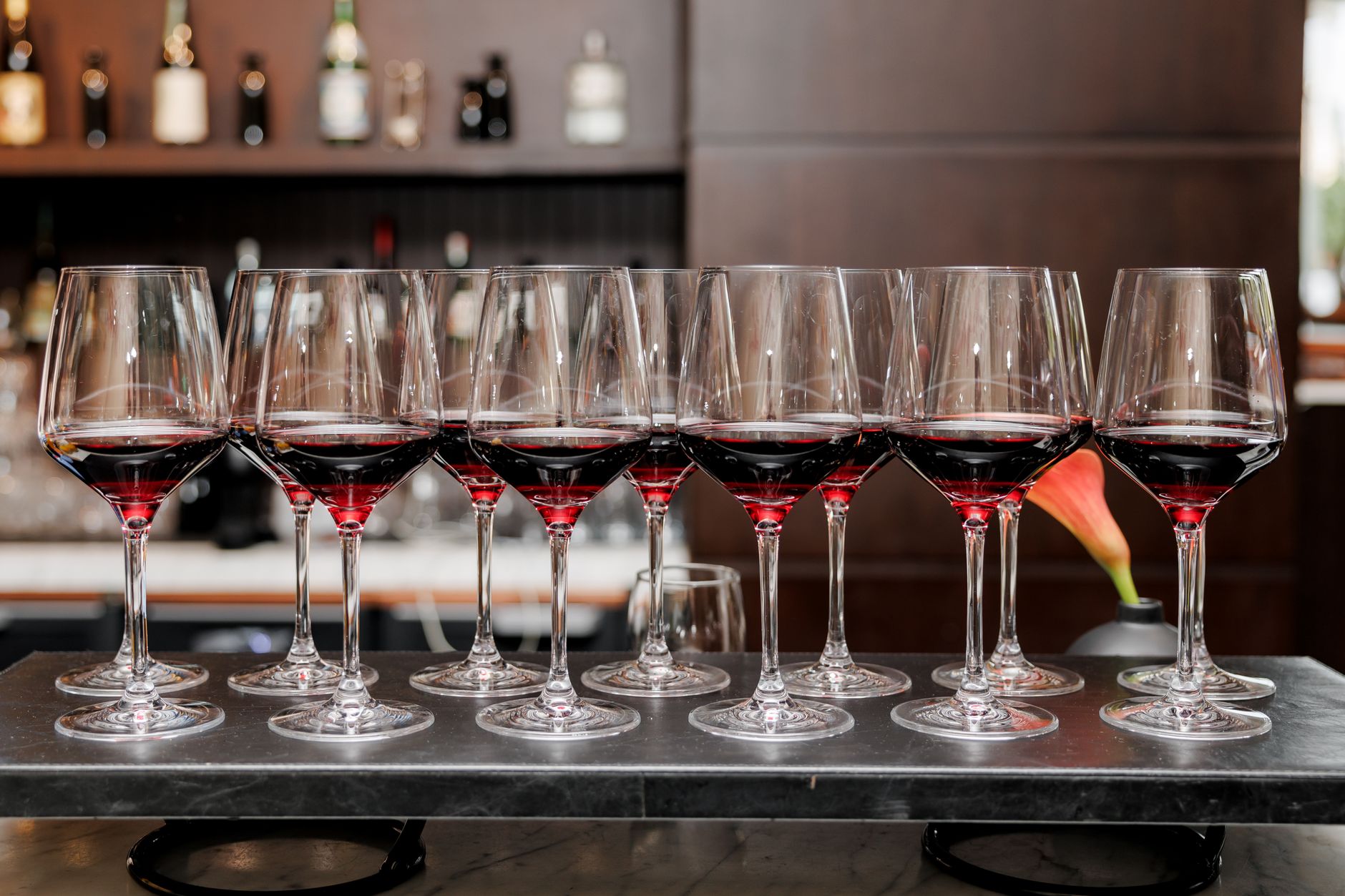
As a beloved beverage enjoyed across cultures, wine often accompanies meals and gatherings. While many appreciate its flavors and aromas, questions arise regarding its impact on body weight. Does indulging in wine lead to weight gain, or can it be consumed mindfully in a balanced diet?
This article dissects the relationship between wine and weight gain, examining its caloric content, effects on metabolism, and how it fits into an overall dietary plan. We will also explore practical tips and strategies for enjoying wine without fear of excessive weight gain.
Does Wine Make You Gain Weight?
Wine can contribute to weight gain if consumed in excess due to its caloric content. Many forget that alcohol contains calories that can add up quickly. Understanding how to integrate wine into a balanced lifestyle is key to minimizing weight gain while still appreciating this popular drink.
Understanding Wine’s Caloric Content
Wine is composed primarily of water, alcohol, and various compounds that create its unique flavor profile. When it comes to calories, here’s a basic breakdown:
- Red wine: Approximately 125 calories per 5-ounce serving.
- White wine: Approximately 120 calories per 5-ounce serving.
- Sparkling wine: Generally about 100-120 calories per 5-ounce serving, depending on the sweetness.
- Fortified wine (e.g., Port, Sherry): Can contain 200-300 calories per 3-ounce serving due to higher alcohol and sugar content.
Most of the calories in wine come from alcohol, with each gram of alcohol providing about 7 calories. This is nearly double the calories found in carbohydrates and proteins, which provide 4 calories per gram.
How Wine Affects Your Metabolism
The relationship between wine consumption and metabolism can be influenced by several factors, including genetics, overall diet, and lifestyle. When alcohol is consumed, the body prioritizes metabolizing it over other nutrients. This means that when you’re drinking wine, your body may temporarily halt the processing of fats and carbohydrates.
This metabolic shift can lead to several notable effects:
- Fat storage: While your body is busy processing alcohol, excess carbohydrates and fats consumed during that time may be directed towards storage rather than being burned for energy.
- Increased appetite: Alcohol consumption can lower inhibitions and lead to higher food intake, often involving high-calorie snacks or meals.
- Slowed metabolism: Frequent alcohol consumption can contribute to a less efficient metabolism over time, especially if it replaces healthy food choices.
Mindful Wine Consumption Strategies
Enjoying wine in moderation is essential for those who want to manage their weight while still savoring their favorite beverages. Here are some practical strategies for mindful wine consumption:
1. Control Portion Sizes
Pay attention to serving sizes to manage calorie intake. A standard serving of wine is 5 ounces, and visualizing this can help avoid pouring larger glasses.
2. Choose Lower-Calorie Wines
Look for dry wines, which generally contain fewer sugars and, therefore, fewer calories than sweeter varieties. Consider choosing:
- Drier red wines, such as Cabernet Sauvignon or Shiraz.
- White wines like Sauvignon Blanc or Chardonnay.
- Sparkling wines labeled as “brut” or “extra brut,” which will typically have less sugar.
3. Pair Wisely
Many people enjoy wine with food, but pairing can make a difference. Opt for lighter options like salads and lean proteins instead of heavy or fried foods that can significantly increase calories.
4. Stay Hydrated
Drink water alongside wine, which can help moderate intake and improve hydration. This strategy can also help manage hunger levels and minimize overeating.
5. Drink Mindfully
Focus on the experience of drinking wine rather than consuming it mindlessly. Savor the flavors, aromas, and textures. This mindfulness can help create a more satisfying experience, potentially leading to less consumption overall.
Common Mistakes to Avoid
When it comes to wine consumption and weight management, several common mistakes can impact your efforts:
- Neglecting total caloric intake: Be aware of how wine fits into your overall daily caloric goals. Remember that every calorie counts!
- Choosing mixed drinks: Cocktails often contain added sugars and mixers, significantly increasing caloric content. Stick to wine for a more manageable approach.
- Ignoring alcohol’s effects on appetite: Don’t let a couple of glasses increase cravings or lead to unplanned snacking. Be conscious of how wine affects your desire for additional food.
Wine as Part of a Balanced Diet
Wine can be enjoyed as part of a healthy, balanced diet. Here are several guidelines for incorporating wine into your meals without compromising your health goals:
1. Enjoy Wine with Meals
Pairing wine with meals can enhance the culinary experience and contribute to better portion control. This practice allows for better moderation as you’re less likely to overindulge when the wine is part of a structured meal.
2. Focus on Nutrient-Dense Foods
Ensure that the bulk of your diet consists of whole foods, including vegetables, fruits, whole grains, lean proteins, and healthy fats. Let wine be a complement to these nutritional choices rather than a replacement.
3. Consider the Quality of Wine
Opt for higher-quality wines that are produced with fewer added sugars and unhealthy additives. Organic or biodynamic wines can also be a more natural choice that aligns with healthy drinking habits.
Tips for Weight Management with Wine
Incorporating wine into your lifestyle while managing weight is about finding balance and making informed choices. Here are some helpful tips to consider:
1. Limit Hard Liquor and Cocktails
Since hard liquor contains more alcohol, cocktails often lead to consuming more calories through mixers and sugars. A straightforward glass of wine can be a more strategic choice.
2. Pay attention to Drinking Frequency
How often you drink wine plays a significant role in its impact on weight. Limiting consumption to special occasions or weekends can allow you to indulge without habitual overconsumption.
3. Use Wine as a Treat
Instead of making wine a daily routine, consider it a treat to be enjoyed occasionally. Pairing it with special meals or time with loved ones enhances its value and minimizes habitual drinking.
Addressing the Myths About Wine and Weight Gain
Several myths circulate regarding wine consumption and its effects on weight gain. Let’s dispel some common misconceptions:
1. “Wine is Fattening”
While wine does contain calories, it’s the overconsumption and poor food choices that lead to weight gain, not the wine itself. Moderation is key.
2. “Wine Has No Nutritional Value”
Wine does contain antioxidants and other beneficial compounds, particularly red wine, which some studies suggest may have health benefits when consumed in moderation.
3. “You Can’t Drink Wine if You’re on a Diet”
Personal diets can vary widely, and many diets allow for moderate wine consumption. It’s important to find a dietary approach that suits you while incorporating the foods and drinks you enjoy.
Conclusion
While wine can contribute to weight gain if consumed excessively, it can be part of a balanced diet when enjoyed mindfully and in moderation. Understanding wine’s caloric content, its effects on metabolism, and adopting practical strategies can help maintain a healthy lifestyle while enjoying wine.
By incorporating the tips outlined, one can enjoy the nuances of wine without compromising health goals. Remember to savor the experience, make informed choices, and prioritize overall wellness.
To explore related recipes or cooking tips, you may find the following links helpful: a delicious shrimp scampi recipe that doesn’t require wine, or refreshing with a blackberry margarita recipe.