
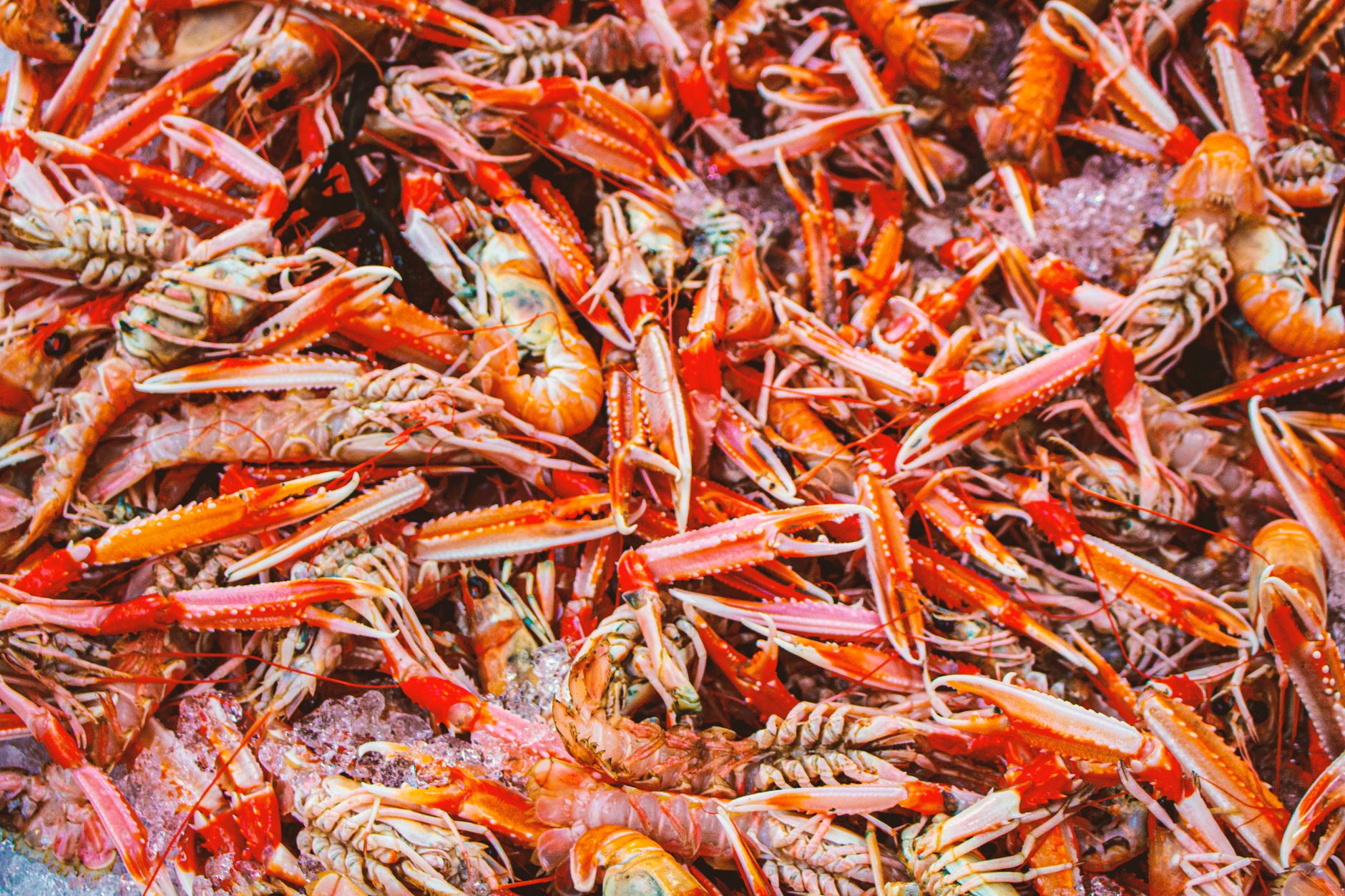
Langoustines, often called Norway lobsters or Dublin Bay prawns, are delicious crustaceans that are increasingly featured in gourmet cooking. They boast a delicate flavor and unique texture that makes them a prized ingredient in various cuisines. Understanding what langoustines are, how to prepare them, and their culinary applications can elevate your cooking experience and impress your guests.
This article explores the essence of langoustines, including their ingredients, taste profile, and a range of culinary uses. Whether you are cooking them for a special occasion or simply experimenting with seafood at home, gaining insight into these delectable creatures will enhance your meals.
What Are Langoustines?
Langoustines are marine crustaceans belonging to the Nephropidae family, closely related to lobsters. They are characterized by their elongated bodies and long, spindly claws, which gives them a unique appearance. Typically, langoustines have a sweet, slightly nutty flavor with a firm, tender texture. They can be prepared in various ways, including boiling, grilling, and sautéing, making them versatile for multiple recipes.
Ingredients and Nutritional Profile
Langoustines themselves are the primary ingredient when cooking. They possess a rich and elegant flavor that can shine through in a variety of dishes. Here are some key ingredients associated with langoustines and their nutritional benefits:
- Langoustines: These are the star of the dish, offering a sweet flavor that pairs well with many ingredients.
- Fat: A source of healthy fats, particularly when prepared with olive oil or butter, which enhances their richness.
- Herbs and Spices: Fresh herbs such as parsley, thyme, and garlic are commonly used to complement the delicate taste of langoustines.
- Citrus: Lemon and lime juices brighten dishes and balance the sweetness of langoustines.
Nutritionally, langoustines are a lean source of protein, low in fat and calories. This makes them an excellent option for those who are health-conscious yet still want to enjoy seafood. They are rich in vitamins and minerals such as vitamin B12, iodine, and selenium, further enhancing their appeal as a nutritious food choice.
How to Select and Store Langoustines
When selecting langoustines, freshness is crucial to ensure the best flavor and texture. Here are some pointers on how to choose and store them:
Selecting Fresh Langoustines
- Look for live langoustines with active movement; this indicates freshness.
- The shells should be firm and free from discoloration or damage.
- Fresh langoustines should have a briny, oceanic smell—not a strong, fishy odor.
Storage Tips
If you purchase live langoustines, keep them stored in a breathable container, such as a bowl covered with a damp cloth, and place them in the refrigerator. Use them within 24 hours for the best taste. If you opt for frozen langoustines, store them sealed in the freezer and thaw in the refrigerator before cooking.
Cooking Techniques for Langoustines
Langoustines can be prepared using several cooking methods, each enhancing their natural flavor. Below are some popular techniques to bring out the best in these crustaceans:
Boiling
Boiling is one of the simplest ways to cook langoustines, allowing their sweetness to shine. Follow these steps for boiling langoustines:
- Fill a pot with water and add salt (about 1 tablespoon per litre). Bring to a rolling boil.
- Add the langoustines to the boiling water. Cook for about 2-3 minutes until they are bright pink.
- Remove the langoustines and plunge them into ice water to stop the cooking process.
Grilling
Grilling adds a smoky flavor to langoustines, making them perfect for outdoor cooking. To grill langoustines:
- Preheat your grill to medium-high heat.
- Brush the langoustines with olive oil and season them with salt and pepper, or a marinade of your choice.
- Grill for about 3-4 minutes on each side until the shells are charred and meat is opaque.
Sautéing
Sautéing allows for quick cooking while keeping the langoustines tender. Here’s how to do it:
- Heat oil or butter in a skillet over medium heat.
- Add chopped garlic and any other aromatics and sauté for a minute.
- Add the langoustines and cook for about 3-5 minutes, stirring occasionally, until they turn pink and opaque.
Culinary Uses of Langoustines
Langoustines lend themselves to various culinary applications. Here are several popular ways to enjoy them:
Pasta Dishes
Langoustines pair excellently with pasta. Create a seafood pasta by sautéing langoustines with garlic, olive oil, and cherry tomatoes, then combining them with your pasta of choice.
Seafood Risotto
Incorporating langoustines into a creamy risotto adds richness and depth. Prepare the risotto base with broth, rice, and aromatics, folding in sautéed langoustines toward the end of cooking.
Appetizers and Tapas
Langoustines can be served as an elegant appetizer, simply boiled and served with a lemon butter dipping sauce. They also work splendidly in tapas-style dishes, grilled with herbs and spices.
Soups and Stews
Incorporate langoustines into seafood soups or stews for a fine dining touch. Their sweet flavor enhances broths and complements other seafood ingredients.
Practical Variations and Substitutions
While langoustines are delightful on their own, here are some variations and possible ingredient substitutions for those looking to experiment:
- Substitutions: If langoustines are unavailable, consider using shrimp, prawns, or even lobster. These alternatives will offer similar textures, although flavors may vary slightly.
- Flavor Enhancements: Experiment with flavored oils or butters, such as garlic herb butter or chili oil, to elevate your langoustine dishes.
- Vegetarian Alternatives: For a plant-based option, consider using mushrooms or artichoke hearts to replicate the texture in a dish that would typically feature langoustines.
Common Mistakes to Avoid
Cooking langoustines seems simple, but a few key pitfalls can affect your dish:
- Overcooking: Langoustines cook quickly; overcooking makes them tough and rubbery. Always watch the time closely.
- Inadequate seasoning: Although langoustines are flavorful, underseasoning can lead to bland dishes. Season generously with salt and flavorful components.
- Improper storage: For freshness, store live langoustines correctly and consume them promptly to avoid deterioration in flavor.
Serving Suggestions
When it comes to serving langoustines, presentation is key. Here are a few suggestions to elevate your dining experience:
- Garnish with fresh herbs like parsley or cilantro to add color and aromatic freshness.
- Serve with lemon wedges on the side, allowing diners to enhance flavor as desired.
- Pair with crusty bread to soak up flavorful sauces.
Make-Ahead Tips
If you’re hosting a dinner party, meal prep can help streamline the process. Here are some make-ahead strategies:
- Pre-cook langoustines ahead of time and chill them. Just reheat gently before serving.
- Prepare sides or sauces that complement langoustines in advance, such as sauces or marinades, that can be stored in the refrigerator.
Storage and Reheating Guidance
Proper storage and reheating techniques will ensure the quality of your langoustines:
- If you have leftover cooked langoustines, store them in an airtight container in the refrigerator, ideally consuming them within two days.
- When reheating,do so gently over low heat to avoid drying them out.
- If you freeze leftover langoustines, ensure they are well-wrapped in an airtight container. Consume within three months for optimal flavor.
Langoustines are a wonderful ingredient that can be enjoyed in various culinary settings. Their unique flavor can elevate ordinary dishes to gourmet status, and with the right techniques and pairings, they can shine in any kitchen. Whether you decide to prepare a classic pasta dish or experiment with flavors and styles, langoustines will impress on every plate.
If you love seafood, consider looking into our shrimp scampi recipe without wine or our flavorful seafood boil sauce recipe for inspiration on your next meal.