
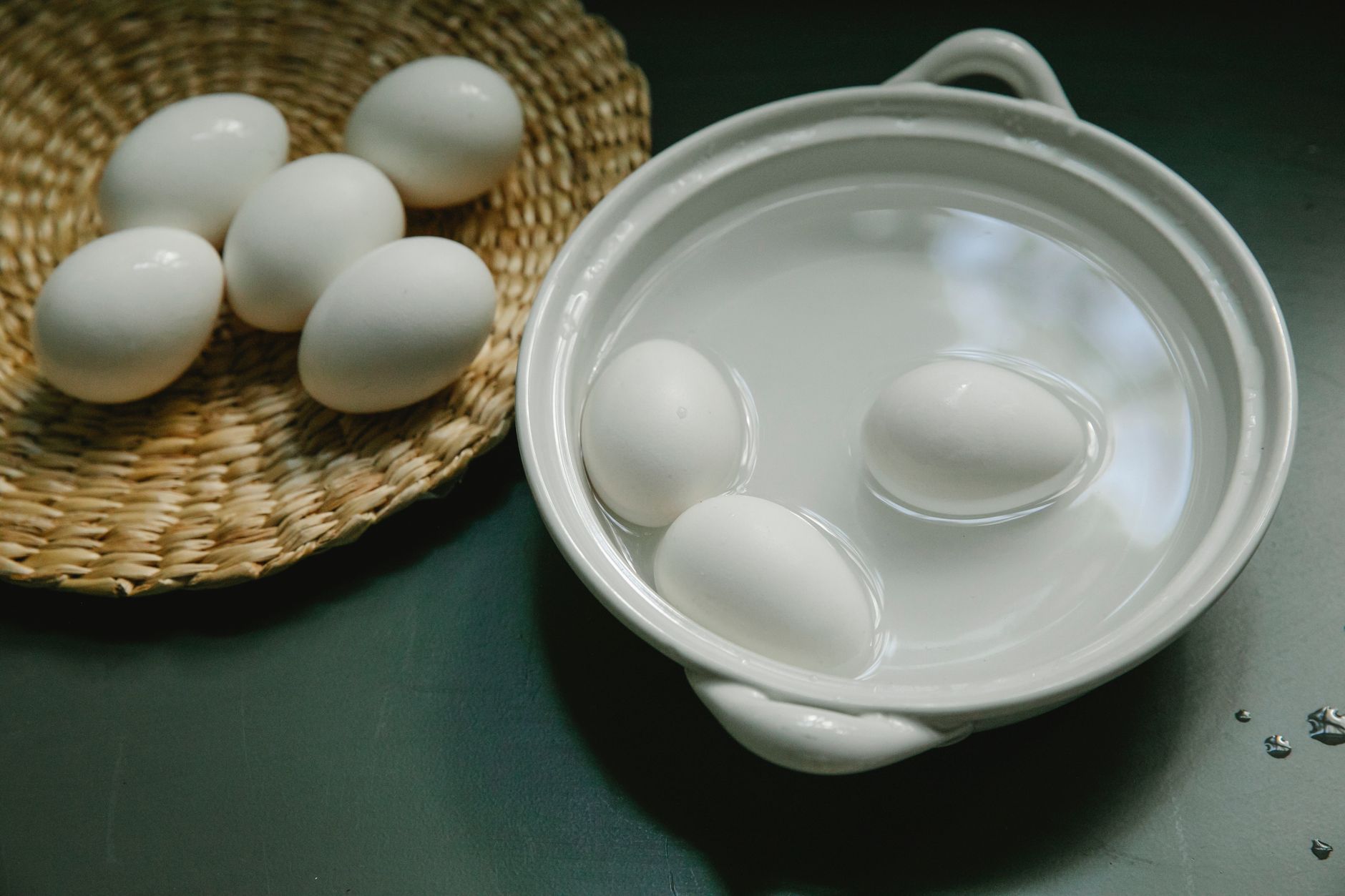
Understanding the freshness of eggs is crucial for ensuring safe and tasty meals. One common method to test an egg’s freshness is the water test, where you observe whether the egg sinks or floats. This article explores what it means if the egg sinks, and whether this is a good or bad sign for your cooking and baking needs.
We will dive into the science behind egg buoyancy, how to properly test eggs, storage tips, and the culinary uses for both fresh and less-fresh eggs. Knowing how to gauge the quality of your eggs can make a significant difference in your cooking.
If The Egg Sinks Is It Good Or Bad?
If an egg sinks to the bottom of a bowl of water and lies flat on its side, it is generally considered fresh. If it sinks but stands upright, it is still usable but not as fresh. However, if it floats, the egg should be discarded as it is likely bad.
The Science Behind the Buoyancy of Eggs
Eggs have an air cell that forms over time as moisture and air seep through the porous shell. The larger this air cell becomes, the more buoyant the egg becomes when placed in water. When you place an egg in water, the way it behaves can tell you about its freshness:
- Fresh Egg: Sinks and lies flat on the bottom.
- Moderately Fresh Egg: Sinks but stands upright.
- Bad Egg: Floats to the top.
How to Perform the Egg Water Test
To accurately check the freshness of your eggs, follow these simple steps:
- Fill a large bowl or a sink with enough lukewarm water to submerge the eggs.
- Gently place the eggs in the water one at a time.
- Observe their position after a few moments. Take note of whether they sink, float, or stand upright.
- Make decisions based on the observations, taking immediate action on floating eggs.
When to Use Fresh vs. Less-Fresh Eggs
Understanding the right context for using different freshness levels of eggs can expand your culinary capabilities. Here’s how to decide:
- Fresh Eggs: Ideal for poaching, frying, or any method that requires a stable, liquid yolk. Their thicker whites hold shape better for these preparations.
- Moderately Fresh Eggs: Great for baking recipes, pasta, or dishes where eggs will be cooked thoroughly. They won’t spoil but will be more liquidy, affecting certain textures.
- Bad Eggs: Discard these immediately; they can pose health risks if consumed.
Proper Egg Storage Methods
To maintain the freshness of your eggs, storage practices are essential. Here are some tips for storing eggs properly:
- Keep Eggs in Original Carton: The carton protects eggs from absorbing odors and flavors and helps prevent moisture loss.
- Store in the Coldest Part of the Refrigerator: The best place for eggs is in the main part of the fridge, not the door, because temperatures fluctuate more there.
- Check the Expiration Date: Use eggs before the “best-by” date indicated on the carton for optimal freshness.
Common Mistakes in Egg Handling
Even experienced cooks can make errors when handling eggs. To avoid these pitfalls, keep these tips in mind:
- Do not leave eggs out of the refrigerator for long periods, especially in warm temperatures. Keeping eggs refrigerated is crucial for longevity.
- Resist the urge to wash eggs. Washing can remove the protective coating (bloom) on the shell that keeps bacteria out.
- Avoid cracking eggs directly into a mixing bowl. Instead, crack them into a separate bowl to check for freshness.
Cooking and Baking with Eggs
Eggs are highly versatile ingredients that can be used in a variety of dishes. Here are some culinary applications that highlight their importance:
Breakfast Dishes
Eggs form the basis of many breakfast recipes. Whether scrambled, fried, or poached, fresh eggs create a stable structure and a pleasant texture:
- Scrambled Eggs: Uses fresh eggs for creamy, fluffy results. Add cream or milk for an extra rich flavor.
- Omelettes: Fresh eggs are best since they hold together better when folded.
Baking with Eggs
In baking, eggs play several roles, including acting as a binder, adding moisture, and contributing to leavening:
- Cakes and Muffins: Fresh eggs can provide more structure and richness, contributing to a fluffy texture.
- Pasta: Fresh eggs create a silkier dough that rolls out beautifully.
Egg-Based Dishes
Eggs can also enhance complex dishes like quiches or frittatas:
- Quiches: Use fresh eggs for a firmer texture that sets appropriately without becoming rubbery.
- Frittatas: Fresh eggs yield better results, enhancing the creaminess of the final product.
Using Eggs in Recipes: Substitutions and Variations
Understanding when and how to replace eggs in recipes can be beneficial for those with dietary restrictions. Here are common egg substitutions:
Popular Egg Substitutes
- For Baking: Use mashed bananas (1/4 cup) or unsweetened applesauce (1/4 cup) as a substitute for one egg. These options work well in cakes and muffins and contribute moisture and sweetness.
- For Binding: Flaxseed meal (1 tablespoon mixed with 2.5 tablespoons of water) can mimic the texture of eggs in recipes like veggie burgers.
- For Pancakes or Cookies: Yogurt (1/4 cup) is another excellent binding agent that maintains moistness.
How Substitutions Affect Flavor and Texture
When substituting eggs, especially in baked goods, it’s important to consider how the flavors and textures may change:
- Substituting with bananas or applesauce can make a final product sweeter and denser.
- Flaxseed meal can add a slight nuttiness, which works well in hearty baked items.
Health Considerations Regarding Eggs
Eggs are a source of protein and other nutrients, but it’s vital to be aware of health considerations:
- Those with allergies or sensitivities should avoid eggs entirely and could explore egg-free alternatives.
- Keep in mind that improper storage can lead to foodborne illnesses, like Salmonella.
Preserving Eggs for Long-Term Use
If you want to preserve eggs for longer durations, methods such as freezing or pickling can be effective.
Freezing Eggs
To freeze eggs:
- Crack the eggs into a mixing bowl and whisk gently.
- Pour the mixture into ice cube trays or silicone molds.
- Once frozen, transfer the egg cubes into freezer-safe bags. Each cube is approximately one egg.
Pickling Eggs
Pickling is another method to preserve eggs, typically hard-boiling and soaking them in a vinegar-based solution:
- Hard-boil the eggs and let them cool.
- Prepare a pickling solution (vinegar, water, sugar, and spices).
- Submerge the eggs in the solution and refrigerate for a week before consuming.
Storage Life of Eggs
Knowing how long eggs can last is essential for planning meals and ensuring safety:
- Fresh eggs stored in the refrigerator can last about 3-5 weeks past the sell-by date.
- Hard-boiled eggs last about one week when properly stored in the refrigerator.
By utilizing egg freshness tests, understanding substitutions, and knowing the best uses for eggs based on their age, you can maximize your culinary efforts with this versatile ingredient. Understanding the nuances of eggs will ensure that each dish prepared is as delicious and safe as possible.
Explore more food guides about egg storage and cooking methods, such as when eggs go bad and how long to keep eggs in the refrigerator to enhance your cooking knowledge and skills.