
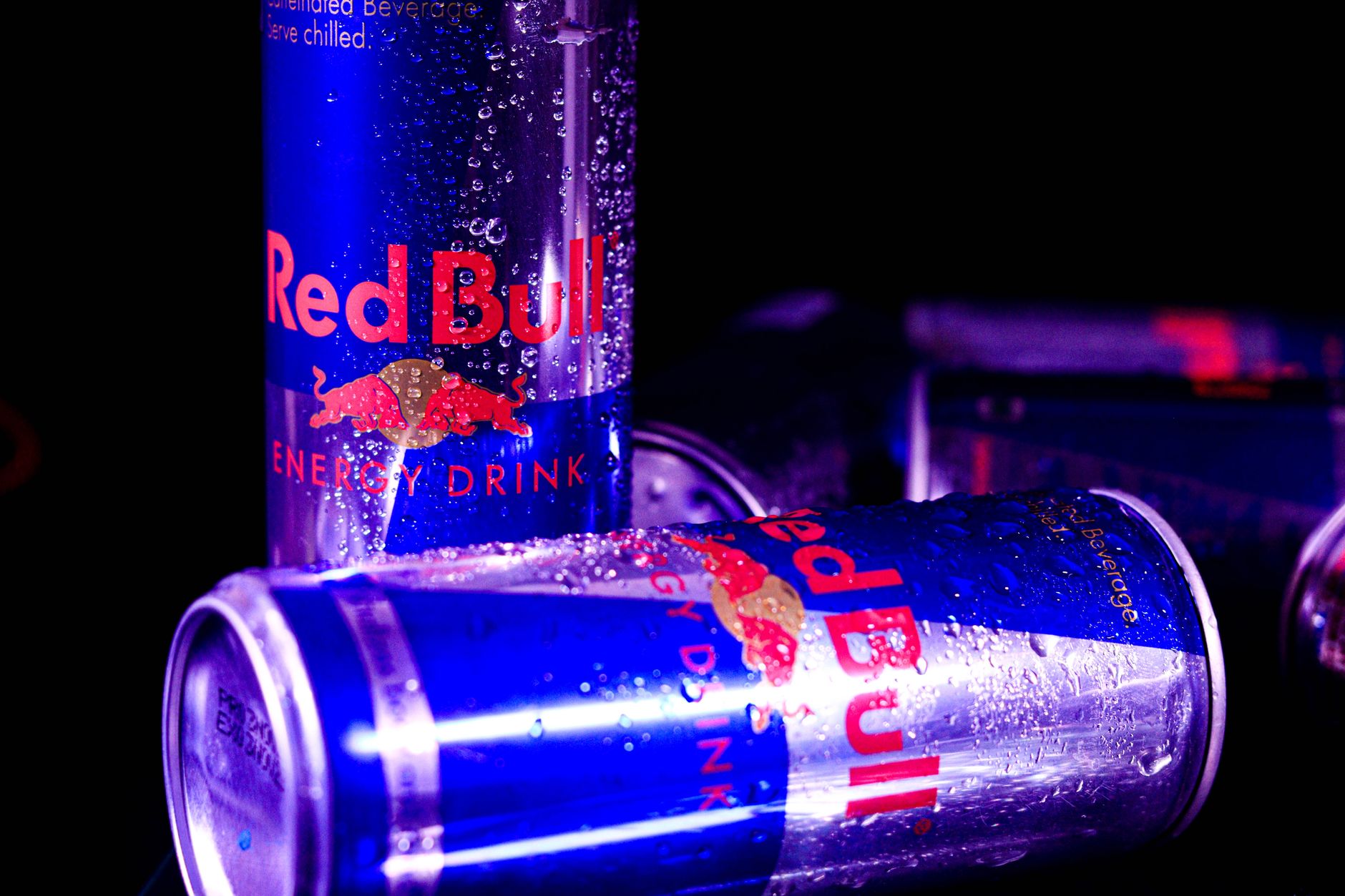
Energy drinks, like Redbull, have surged in popularity over the last couple of decades. Widely embraced for their promises of increased energy and focus, they have made their way into the routines of many. However, the question looms: Is Redbull bad for you?
This article aims to provide a comprehensive overview of Redbull, touching on its ingredients, uses, potential health risks, and ways to enjoy it safely. Understanding both the positives and the negatives can help consumers make informed choices.
Is Redbull Bad for You?
The short answer is that while Redbull can provide a temporary boost in energy and alertness, its high caffeine and sugar content can also pose health risks when consumed excessively. Moderation is crucial, and being mindful of individual health conditions is important.
Understanding Redbull: Ingredients and Their Effects
To evaluate whether Redbull is harmful, it’s essential to analyze its ingredients. The main components include:
- Caffeine: Typically contains about 80 mg of caffeine in an 8.4-ounce can, which is roughly equivalent to a cup of coffee. Caffeine can lead to increased alertness, but excessive consumption can cause jitters, anxiety, and sleep disturbances.
- Sugar: A standard can contains around 27 grams of sugar. High sugar intake is associated with various health issues, including weight gain, type 2 diabetes, and tooth decay.
- Taurine: An amino acid that is believed to improve physical performance and capacity. It is considered safe in moderate amounts, though the long-term effects of high doses are not fully understood.
- B Vitamins: Redbull is fortified with B vitamins, which play important roles in energy metabolism. However, most people receive enough of these vitamins through a balanced diet.
- Flavoring and Preservatives: These include citric acid and sodium bicarbonate, which are standard in many drinks and generally recognized as safe.
Health Risks Associated with Redbull
While enjoying Redbull in moderation is unlikely to cause harm for healthy adults, several health risks should be taken into consideration:
Caffeine Sensitivity
Individuals with caffeine sensitivity may experience negative side effects even with small amounts of caffeine. Symptoms can include rapid heart rate, anxiety, and digestive issues. It’s advisable for those with this sensitivity to avoid or limit energy drinks.
High Blood Pressure and Heart Issues
The combination of high caffeine content and sugar can lead to spikes in blood pressure, which may be harmful, especially for those with pre-existing heart conditions.
Weight Gain
The high sugar content in Redbull can contribute to weight gain when consumed regularly. It’s crucial to balance the intake of such calorie-dense beverages with physical activity and a healthy diet.
Sleep Disturbances
Consuming Redbull in the afternoon or evening can interfere with sleep patterns due to its caffeine content, leading to a cycle of fatigue and increased consumption.
Potential for Dependence
Regular consumption of energy drinks can lead to dependence on caffeine to function normally. Reducing intake can result in withdrawal symptoms such as headaches, fatigue, and irritability.
Adequate Consumption: How to Enjoy Redbull Safely
If you choose to consume Redbull, there are several practices you can incorporate to minimize potential risks:
- Limit Frequency: Reserve Redbull for occasions when you really need a boost. Rather than making it a daily staple, consider it an occasional treat.
- Monitor Your Overall Caffeine Intake: Be aware of caffeine consumption from other sources, such as coffee, tea, and chocolate, to avoid exceeding the recommended daily limit of around 400 mg for most adults.
- Stay Hydrated: Ensure you’re drinking enough water, especially if drinking energy drinks; dehydration can exacerbate caffeine’s negative effects.
- Avoid Mixing With Alcohol: Mixing energy drinks with alcohol can mask the depressant effects of alcohol, increasing the risk of overconsumption and poor judgment.
Alternatives to Redbull
For those looking to boost energy levels without the risks associated with energy drinks, consider these alternatives:
Natural Energy Sources
- Fruit Smoothies: Blending fruits can provide a natural sugar boost along with vitamins and fibers that contribute to sustained energy.
- Green Tea: Contains less caffeine than coffee and includes antioxidants that promote overall health.
- Water with Lemon: Sometimes fatigue can be linked to dehydration. A simple mix of water and lemon can refresh and energize.
- Snack Wisely: Eating small, balanced meals throughout the day can help maintain energy levels. Focus on protein and fiber-rich foods.
Practical Serving Ideas for Redbull
If you decide to incorporate Redbull into your lifestyle, consider these serving ideas that can make your experience enjoyable while minimizing the impact on your health:
Mix with Juice
Combine Redbull with fresh juice, such as orange or cranberry juice, for a refreshing twist. This helps dilute the sugar and adds vitamins.
Use as a Base for Mocktails
Create a mocktail by blending Redbull with sparkling water and fresh herbs like mint or basil. This adds complexity and flavor without excessive sugars.
Energy Smoothie
Add a small amount of Redbull to a smoothie made from fruits, spinach, and yogurt. This can give your smoothie an extra kick while masking some of the sugary taste.
Common Mistakes to Avoid
When consuming Redbull or any energy drink, it’s essential to avoid some common pitfalls:
- Ignoring Ingredients: Always check the ingredient label to be aware of added sugars and caffeine content.
- Overconsumption: Using energy drinks as a replacement for adequate sleep and nutrition can lead to long-term fatigue and health issues.
- Rushing Consumption: Drinking Redbull too quickly can lead to digestive discomfort. Sip it slowly to allow your body time to adjust.
Conclusion: Making Informed Choices
Redbull can be enjoyed safely when consumed in moderation. By understanding the product’s ingredients and being mindful of individual health conditions, consumers can make informed decisions about their energy drink consumption. Focus on proper nutrition, hydration, and lifestyle choices to maintain energy levels without relying solely on energy drinks.
For more insights and alternatives, explore related resources and delicious recipes. Check out what makes molasses, or learn about the health considerations of mayo to diversify your culinary knowledge.