
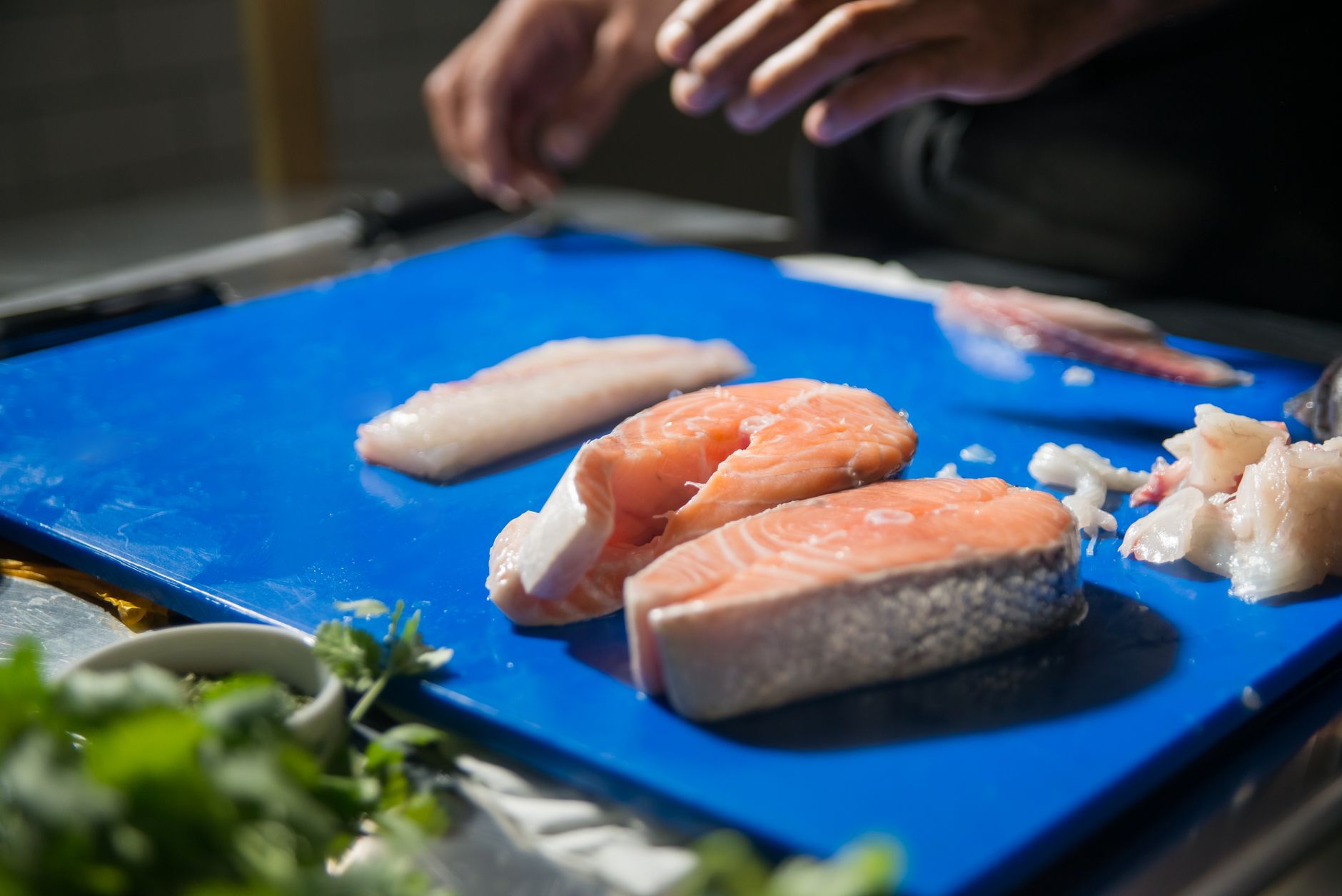
Black cod, also known as sablefish, is a delicacy cherished by chefs and seafood enthusiasts alike. Its rich, buttery flavor and flaky texture make it a favorite in high-end restaurants. However, the price tag associated with black cod can be quite steep. Understanding the reasons behind its high cost can help justify the investment for those looking to enjoy this exquisite fish.
This article will explore the various factors that contribute to the price of black cod, how to select it, its unique culinary attributes, and the best ways to prepare it in your own kitchen.
Why Is Black Cod So Expensive?
Black cod is expensive due to its limited supply, high demand, labor-intensive fishing methods, and specific environmental conditions required for sustainable harvesting. Its desirability among chefs looking for quality ingredients further boosts its market price.
Understanding Black Cod
Black cod (Anoplopoma fimbria) is a deep-sea fish found primarily in the North Pacific Ocean. Known for its high fat content, black cod is often mistaken for other fish due to its dark skin and pale flesh when cooked. What sets it apart is its exceptional flavor and texture, which is why it commands a premium price.
Flavor Profile
Black cod has a rich, buttery flavor that is often described as slightly sweet. Its high-fat content gives it a melt-in-your-mouth quality, making it ideal for grilling, smoking, and baking. This flavor profile makes it versatile enough to pair with various sauces and seasonings, from simple lemon and herbs to complex marinades.
Nutritional Value
In addition to its great taste, black cod is also a nutritious choice. It is packed with omega-3 fatty acids, which are essential for heart health. A 3-ounce serving typically contains about 240 calories, 23 grams of protein, and a healthy dose of vitamins and minerals, making it an excellent addition to a balanced diet.
Factors Contributing to the Cost of Black Cod
Several key factors play a role in determining the price of black cod, including sustainability issues, fishing methods, and market dynamics.
1. Limited Supply
Black cod is not as abundant as other fish species, and its availability is subject to strict regulations in some areas to preserve fish populations. This limited supply often leads to increased prices, especially during peak seasons when demand is high.
2. Fishing Methods
The methods used to catch black cod can be labor-intensive and costly. Many fishermen utilize longline fishing, which requires a careful setup of numerous hooks and lines. This method is not only time-consuming but also requires skilled labor to ensure sustainable practices are followed.
3. Environmental Regulations
Sustainable fishing practices are crucial for the preservation of black cod populations. Many regions have implemented strict guidelines and quotas to prevent overfishing, further limiting the amount of black cod that can be legally caught and sold. These regulations can increase operational costs, adding to the price of the fish.
4. High Demand in Culinary Circles
Black cod has gained a reputation as a gourmet ingredient, thanks in part to its status in Japanese cuisine. It is featured prominently in dishes such as miso-marinated black cod, which has become a staple in many high-end restaurants. This growing demand reinforces its market price, as chefs and home cooks alike seek out this fish for its unique taste and cooking versatility.
How to Select Quality Black Cod
When purchasing black cod, quality is key. Here are some practical tips for selecting the best fish:
- Freshness: Look for fish that has a clean, ocean-like smell. Fresh black cod should have firm, shiny skin and clear, bright eyes.
- Texture: The flesh should be moist and resilient to the touch. Avoid any that appear dry or discolored.
- Sustainability: Choose wild-caught black cod from sustainable fisheries where possible. Certifications such as the Marine Stewardship Council (MSC) label can guide your purchase.
Culinary Uses for Black Cod
Black cod is incredibly versatile in the kitchen. Here are some popular methods of preparation and cooking techniques that highlight the fish’s distinctive flavor:
1. Miso Black Cod
One of the most famous dishes featuring black cod is miso-marinated black cod. The fish is marinated in a mixture of miso paste, sake, mirin, and sugar, which infuses it with depth and sweetness. After marinating, it’s broiled until the surface is caramelized, creating a beautiful contrast of flavors.
2. Grilling
The high-fat content of black cod makes it excellent for grilling. A simple seasoning of salt and pepper or a marinade of your choice can enhance its flavor. Grill it on a skewer for kabobs or cook it as fillets, ensuring to keep a close watch to prevent overcooking.
3. Smoking
Smoking black cod can intensify its rich flavors. Use a smoker with wood chips of your preference, such as cedar or applewood, and allow the fish to absorb the smoke until it’s flaky and flavorful.
4. Baking
Baking black cod is another method that preserves its moisture and flavor. Wrap the fish in parchment paper or foil along with vegetables and herbs, then bake at 375°F (190°C) for about 20-25 minutes, until cooked through and flaky.
Common Mistakes to Avoid
Cooking black cod can be straightforward, but here are common mistakes to steer clear of:
- Overcooking: With its delicate texture, black cod can quickly become dry if overcooked. Aim to cook until the fish is just opaque in the center.
- Skipping the marinade: The marinade not only enhances flavor but also helps to keep the fish moist during cooking. Don’t skip this essential step.
- Neglecting skin: The skin of black cod is rich in flavor. If you’re grilling or roasting, consider leaving the skin on for added taste and texture.
Storage and Reheating of Black Cod
If you’ve purchased black cod and have leftovers, proper storage is essential to maintain freshness. Here are some recommendations:
- Refrigeration: Store cooked black cod in an airtight container in the refrigerator for up to 2-3 days.
- Freezing: Raw black cod can be frozen for up to three months. Wrap it in plastic wrap and place it in a freezer bag to avoid freezer burn.
- Reheating: Gently reheat in an oven set to low temperature (around 250°F or 120°C) to prevent drying out. You can also use a skillet with a splash of broth or water to maintain moisture.
Preparing Black Cod at Home: Practical Tips
Cooking with black cod can elevate any meal, and preparing it at home can be quite rewarding. Here are some useful tips:
- Experiment with flavors: Keep the flavor combinations simple or bold according to your preference. Pair black cod with citrus, herbs, and light spices to enhance its taste.
- Accompaniments: Black cod pairs beautifully with sides such as roasted vegetables, rice, or creamy polenta.
- Season appropriately: Given its rich flavor, you need less seasoning than you would with a more neutral fish.
Conclusion
The high cost of black cod can be attributed to its limited supply, labor-intensive fishing methods, and increasing demand within culinary circles. However, when enjoyed in balanced dishes, the investment is often well worth it. Understanding how to select, prepare, and savor this fish allows you to appreciate its unique qualities fully.
Explore related topics to expand your culinary repertoire, such as our black sea bass recipe or try the ahi tuna recipe for more delicious seafood options.