
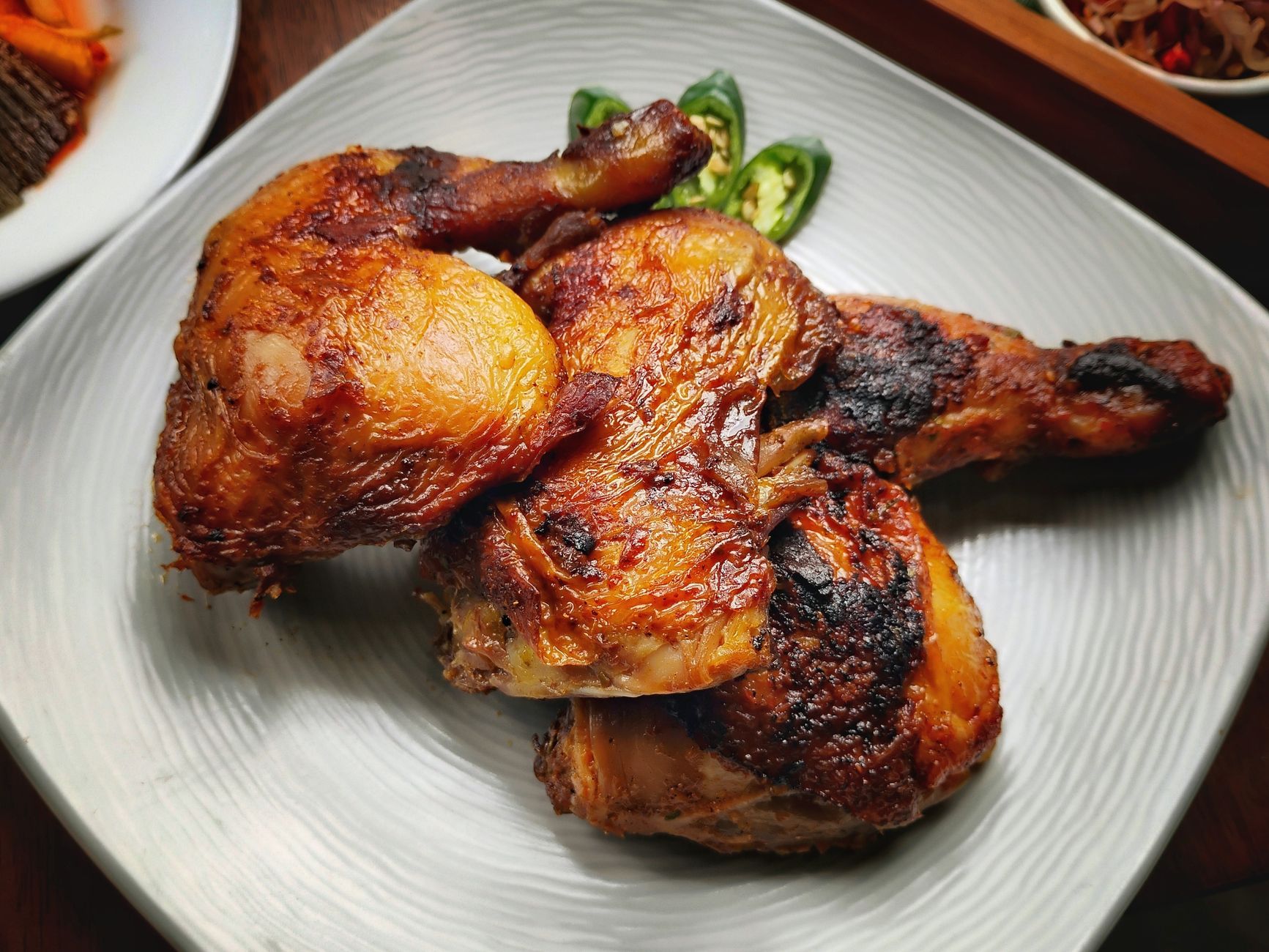
Cooking chicken to perfection requires not only skill but also precision in temperature. Knowing when chicken is done is essential for flavor, texture, and, most importantly, food safety. In this article, we will delve into the ideal chicken cooking temperatures, various methods to check for doneness, and tips for cooking chicken to enhance your culinary creations.
Whether you’re roasting, grilling, or sautéing, the right temperature will guarantee that your chicken is juicy and safe to eat. Let’s explore the best practices for cooking chicken perfectly every time.
What Temperature Should Chicken Be Cooked To?
The United States Department of Agriculture (USDA) sets the safe minimum internal cooking temperature for chicken at 165°F (74°C). This temperature ensures that harmful bacteria, such as Salmonella, are killed, making the chicken safe to consume.
While 165°F is the minimum requirement, many chefs and home cooks prefer cooking chicken to slightly higher temperatures for better flavor and texture. For instance, thighs and drumsticks can be cooked to 175°F (80°C), which allows fat to render out and makes the meat more tender and juicy.
Why Using a Food Thermometer Is Essential
A food thermometer is an invaluable tool in the kitchen. Here are a few reasons why it’s essential:
- Accuracy: It helps measure the internal temperature accurately, removing any guesswork.
- Safety: Ensures that chicken is cooked through, minimizing the risk of foodborne illness.
- Quality: Prevents overcooking, which can lead to dry and tasteless chicken.
To check the temperature of the chicken accurately, insert the thermometer into the thickest part of the meat, avoiding bone, as bones can conduct heat and give false readings.
How to Know If Chicken Is Done Without a Thermometer
While using a food thermometer is the best method, there are several visual cues and techniques to determine if chicken is done:
- Color: Cooked chicken should have an opaque white color without any pink or translucent areas.
- Juices: When pierced, the juices should run clear rather than pink.
- Texture: The chicken should feel firm to the touch and have a slightly springy texture.
- Time Guidelines: Familiarize yourself with approximate cooking times for various methods and cuts.
Keep in mind that these methods can be subjective, and a thermometer is far more reliable.
Cooking Methods and Their Recommended Temperatures
Different cooking methods can yield excellent results when done correctly. Here are some primary cooking methods for chicken along with their temperature guidelines:
1. Roasting or Baking
Roasting is a popular technique for cooking whole chickens and bone-in cuts. For proper roasting:
- Preheat your oven to 375°F (190°C).
- Cook the chicken until it reaches an internal temperature of 165°F (74°C) for breasts and 175°F (80°C) for thighs.
Tip: Basting your chicken with its juices every 30 minutes can enhance flavor and moisture.
2. Grilling
Grilling provides a smoky flavor and beautiful char to your chicken.
- Preheat your grill to medium-high heat (about 400°F or 200°C).
- Use direct heat for smaller pieces and indirect heat for whole chickens or larger cuts.
- Cook until internal temperatures reach 165°F (74°C) for breasts and 175°F (80°C) for thighs or drumsticks.
Tip: Allow the chicken to rest for about five minutes after grilling to lock in juices.
3. Sautéing or Stir-Frying
This method is quick and ideal for bite-sized pieces or fillets.
- Heat oil in a skillet over medium-high heat.
- Cook until pieces are golden brown and reach an internal temperature of 165°F (74°C).
Tip: Cut the chicken into smaller pieces for faster cooking and even doneness.
4. Poaching
Poaching is a gentle cooking method, preserving moisture and tenderness in chicken.
- Simmer chicken in water or broth at a temperature of 160°F to 190°F (71°C to 88°C).
- Cook until the chicken reaches an internal temperature of 165°F (74°C).
Tip: Adding herbs and spices to the poaching liquid can enhance flavor.
5. Frying
Frying can produce a crispy exterior while keeping the inside juicy.
- Heat oil to 350°F (175°C).
- Fry pieces until golden brown and reach a minimum temperature of 165°F (74°C).
Tip: Use a deep-frying thermometer to monitor oil temperature for best results.
Common Mistakes to Avoid When Cooking Chicken
Cooking chicken can be straightforward, but common pitfalls can lead to less-than-ideal results. Here are some errors to avoid:
- Not Preheating: Always preheat your oven or grill to ensure even cooking.
- Crowding the Pan: Cooking too much chicken at once can lower the temperature and result in uneven cooking.
- Skipping the Resting Period: Always let your chicken rest for a few minutes after cooking to allow juices to redistribute.
- Overcooking: Monitor cooking times and temperatures to prevent dry, tough chicken.
How to Store Cooked Chicken
Knowing how to store cooked chicken safely is just as essential as cooking it correctly. Here are the key storage guidelines:
- Allow the cooked chicken to cool to room temperature before refrigerating.
- Place it in an airtight container or wrap it tightly in aluminum foil or plastic wrap.
- Refrigerate within two hours of cooking; cooked chicken can be stored in the fridge for 3 to 4 days.
- For longer storage, freeze cooked chicken in a freezer-safe container for up to four months.
Reheating Cooked Chicken
Reheating cooked chicken requires careful attention to ensure it remains safe and delicious:
- The internal temperature should reach 165°F (74°C) when reheating.
- Use an oven or stovetop for even heating; avoid microwaving if possible, as it can cook unevenly.
- Cover the chicken while reheating to retain moisture.
Flavor Pairings and Serving Suggestions
- Herbs: Thyme, rosemary, oregano, and parsley work beautifully with chicken.
- Citrus: Lemon, orange, and lime add brightness and acid to balance flavors.
- Spices: Garlic, paprika, and cumin can add depth and warmth to your chicken dishes.
- Marinades: Yogurt, balsamic vinegar, or soy sauce can help tenderize and infuse flavor.
Suggested serving ideas include:
- Serve roasted chicken with a fresh side salad.
- Pair grilled chicken with roasted vegetables.
- For a hearty meal, enjoy fried chicken with mashed potatoes and gravy.
Using Chicken as a Budget-Friendly Protein
Chicken is a versatile and budget-friendly protein source. Here are ways to maximize your budget:
- Buy in bulk or on sale and freeze portions for later use.
- Utilize leftover chicken in wraps, salads, or soups.
- Consider using whole chickens, as they are often cheaper per pound than individual cuts.
- Make homemade broth from leftover bones and scraps for additional use.
Common Chicken Cuts and Cooking Tips
Understanding the different cuts of chicken and how to cook them can help you make informed decisions:
- Chicken Breasts: Lean and versatile; best cooked quickly and at high heat.
- Thighs: Dark meat that remains tender and juicy; can withstand longer cooking.
- Drumsticks: Inexpensive and flavorful; great for grilling or baking.
- Whole Chicken: Economical option suitable for roasting; allow time for cooking through.
Each cut has its unique cooking needs, so adjust techniques and times accordingly.
Conclusion
Understanding the proper temperature for chicken is key to achieving tender, juicy, and safe results. Using a food thermometer, practicing various cooking methods, and avoiding common pitfalls will help you master chicken dishes. Always keep in mind the storage and reheating guidelines to ensure your culinary creations are both delicious and safe to consume.
Explore more about cooked chicken storage, as well as cooking chicken legs at 400°F for a delectable meal that everyone will enjoy. Stay informed on food safety and kitchen techniques to elevate your cooking skills!