
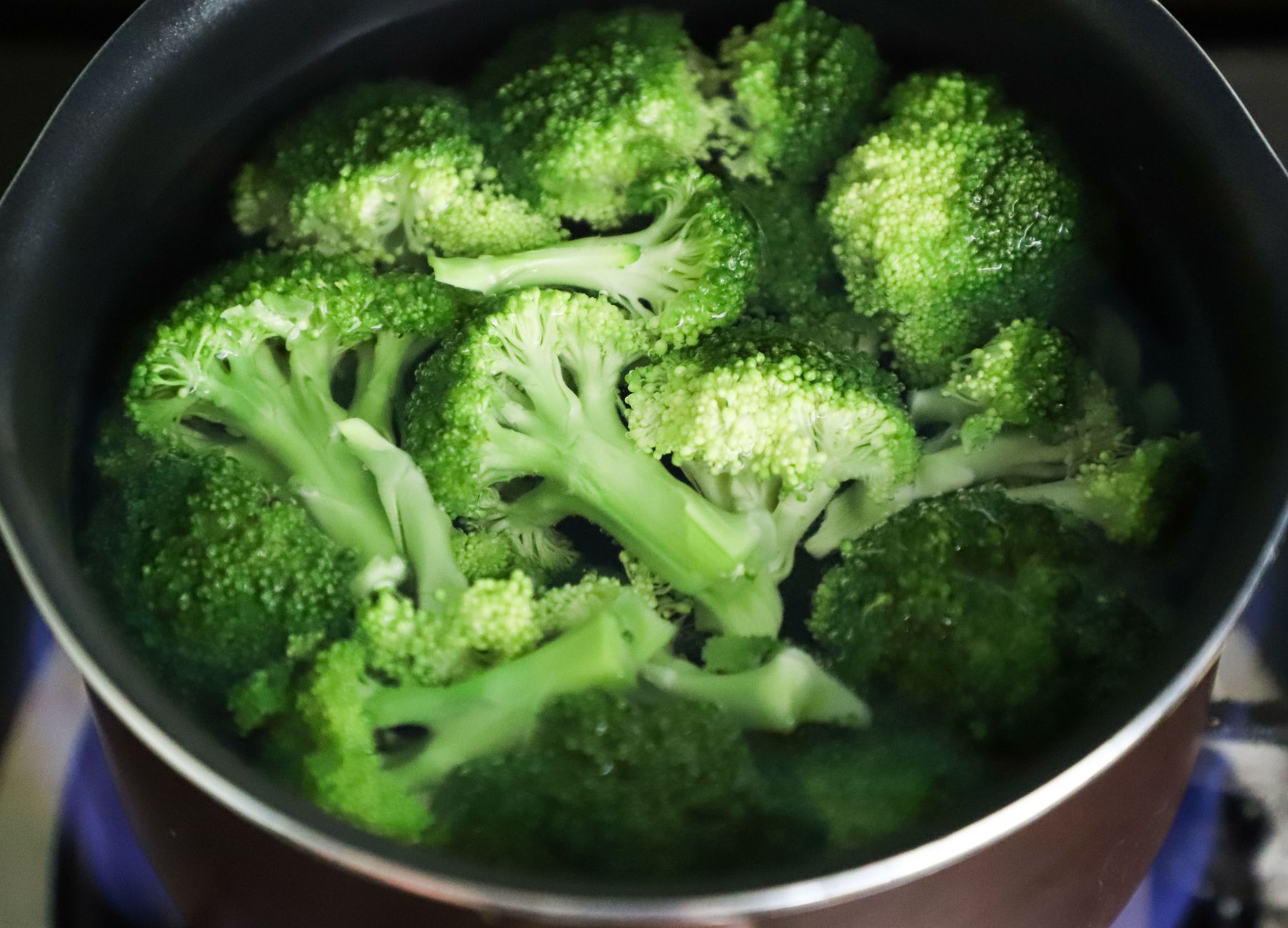
Boiling broccoli is a quick and nutritious way to cook this green vegetable, making it a staple in many households. However, the key to perfectly boiled broccoli lies in knowing exactly how long to cook it to achieve that ideal tenderness while retaining its vibrant color and nutrients.
This guide covers everything you need to know about boiling broccoli, including the best boiling times, tips for doneness, and serving suggestions. Whether you prefer it as a side dish or incorporated into other meals, this information will ensure your broccoli turns out delicious every time.
How Long Should I Boil Broccoli?
The optimal boiling time for broccoli typically ranges from 3 to 5 minutes. Cooking for this duration allows the florets to become tender while keeping their bright green color and crunchy texture.
However, various factors like the size of the florets and your preferred level of doneness can influence cooking time. Smaller florets cook faster, while larger pieces might require more time.
Why Boil Broccoli?
Boiling is a simple and effective cooking method that can enhance broccoli’s flavor and texture. Here are a few reasons why you might choose to boil broccoli:
- Quick Cooking: Boiling is one of the fastest methods to cook broccoli, taking only a few minutes.
- Retains Nutrients: When done correctly, boiling helps to preserve vitamins and minerals, particularly if you use the cooking water in sauces or soups.
- Enhances Flavor: Boiling can soften the bitterness in broccoli, resulting in a milder, more palatable taste.
Preparation: Getting Ready to Boil Broccoli
Before boiling broccoli, proper preparation is vital. Here’s how to prepare your broccoli for cooking:
- Select Fresh Broccoli: Look for firm stalks with tightly closed florets and vibrant green color.
- Wash the Broccoli: Rinse under cold running water to remove any dirt and pesticides. Drain and pat dry.
- Cut the Broccoli: Trim off the tough stalks and cut the broccoli into uniform-sized florets for even cooking.
Step-by-Step Guide to Boiling Broccoli
Follow these steps for perfectly boiled broccoli:
- Gather Equipment: You will need a large pot, a colander or slotted spoon, and a timer.
- Fill the Pot: Add enough water to the pot to fully submerge the broccoli. Generally, about 4 to 6 quarts of water is sufficient.
- Bring Water to a Boil: Heat the pot over high heat until the water reaches a rolling boil.
- Add Broccoli: Carefully add the prepared broccoli florets to the boiling water. Ensure they are fully submerged.
- Start Timing: Begin counting the cooking time as soon as the broccoli is in the water. Set your timer for 3 to 5 minutes.
- Check for Doneness: After 3 minutes, taste a floret or pierce one with a fork; it should be tender yet still firm and bright green. If you prefer softer broccoli, allow it to cook for an additional minute or two.
- Drain the Broccoli: Once the desired doneness is achieved, promptly drain the broccoli in a colander. You can also shock it in an ice bath if you want it to stop cooking immediately and preserve the color.
Visual Cues for Doneness
Knowing when your broccoli is done cooking is key to achieving the right texture. Here are some visual cues to look for:
- The color changes from a dull green to a bright, vibrant green.
- The florets become slightly translucent and can be pierced easily with a fork.
- The broccoli retains some firmness; overcooking can result in a mushy texture.
Serving Suggestions
Boiled broccoli can be served in numerous ways. Here are a few popular serving suggestions:
- As a Side Dish: Drizzle with olive oil, garlic, lemon juice, or a sprinkle of salt and pepper.
- In Salads: Add to cold pasta salads or green salads for extra crunch and nutrition.
- In Stir-Fries: Use boiled broccoli as a component in stir-fried dishes, adding it towards the end of cooking to maintain its color.
- In Soups: Blend boiled broccoli into soups for added creaminess and thickness.
Common Mistakes to Avoid
Here are some errors to watch for when boiling broccoli to ensure the best results:
- Overcooking: Cooking broccoli too long leads to a mushy texture and dull color; stick to the recommended time.
- Underseasoning: Don’t skip adding salt to the boiling water; it enhances flavor.
- Not Shocking in Ice Water: Skipping this step can result in overcooking from residual heat. An ice bath stops the cooking process.
How to Enhance the Flavor of Boiled Broccoli
If you want to amp up the taste of your boiled broccoli, consider the following flavor enhancers:
- Garlic: Add minced garlic to the cooking water for aromatic flavor.
- Broth: Replace water with vegetable or chicken broth for added taste.
- Herbs and Spices: Experiment with adding herbs like thyme or rosemary into the water.
- Cheese: Toss with grated Parmesan or cheddar after draining for a rich twist.
How to Store and Reheat Boiled Broccoli
Proper storage is essential to maintain the quality of boiled broccoli. Follow these guidelines:
- Storage: Store any leftover boiled broccoli in an airtight container in the refrigerator for up to 3 days.
- Reheating: Reheat steamed broccoli by placing it in a small pan with a splash of water, covering it with a lid, and steaming over low heat until hot. Alternatively, you can microwave it in a covered dish.
Common Questions About Boiling Broccoli
Can I Boil Broccoli with Other Vegetables?
Yes, many vegetables can be boiled together. However, ensure they have similar cooking times to avoid undercooked or overcooked results. Carrots, for example, may require more time, while greens like spinach will cook faster.
Can I Use the Cooking Water?
Absolutely! The water used to boil broccoli contains some nutrients and flavors. It can be added to soups or used as a base for sauces.
Should I Peel the Stems?
The outer layer of broccoli stems can be tough. It’s a good idea to peel the stems if you plan to include them when boiling to ensure they cook evenly and are enjoyable to eat.
Variations and Substitutions
If you’re looking to experiment with your boiled broccoli, consider some variations:
- Sautéed Broccoli: Instead of boiling, sauté in olive oil with garlic for a quick, flavorful side.
- Roasted Broccoli: Roast broccoli in the oven with olive oil and seasonings for a caramelized flavor.
- Steamed Broccoli: Steam rather than boil for additional nutrient retention.
Nutrition Facts of Broccoli
Broccoli is not only delicious but also packed with nutrients. Here are a few benefits associated with this superfood:
- Rich in Vitamins: Broccoli is high in vitamins C and K, which support immune function and bone health.
- High in Fiber: This vegetable is an excellent source of dietary fiber, aiding in digestion.
- Antioxidants: Broccoli contains compounds known for their potential to fight inflammation and promote overall health.
Conclusion
Knowing how long to boil broccoli is essential for achieving that perfect balance of tenderness and texture. With a simple 3 to 5 minutes of boiling, you can create a nutritious side dish or ingredient perfect for various meals. Remember to season, experiment, and enjoy this versatile vegetable!
For more culinary tips and delicious recipes, consider exploring how to boil asparagus or learn whether broccoli has carbs. These resources can elevate your cooking game even further!