
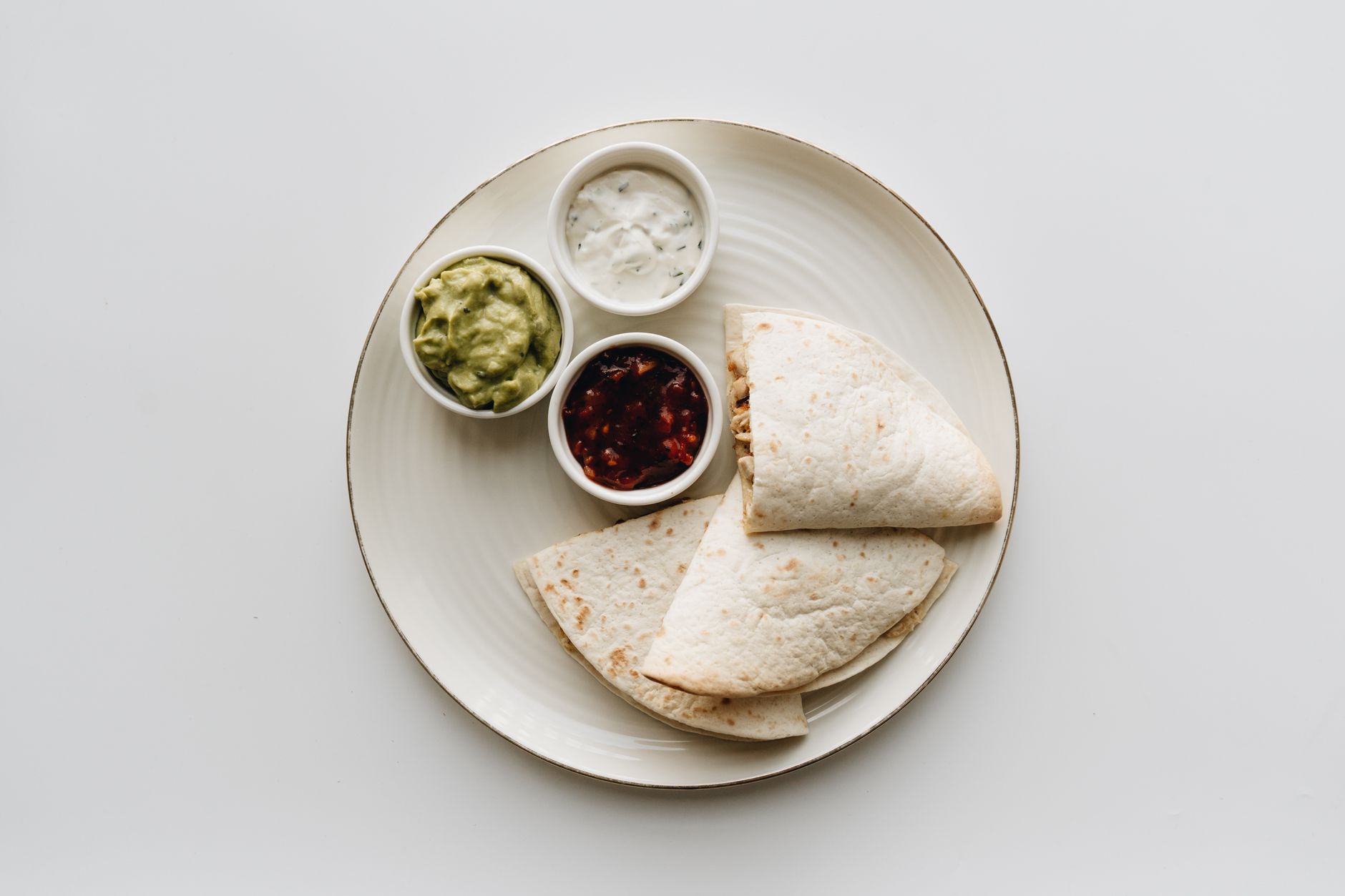
Flour tortillas are a staple in many cuisines, providing a versatile base for countless dishes. Understanding how many calories they contain can help you manage your nutrition, whether you’re counting calories, meal prepping, or simply trying to maintain a balanced diet.
In this article, we will explore the caloric content of flour tortillas, the factors that influence their calorie count, and practical information for incorporating them into your meal planning.
How Many Calories Does a Flour Tortilla Have?
On average, a standard flour tortilla (about 10 inches in diameter) contains approximately 210 to 300 calories. This range can fluctuate based on size, brand, and ingredients used. In the following sections, we will break down the specifics surrounding their caloric content and factors that can affect it.
Understanding the Caloric Content
The caloric count of flour tortillas is influenced by several factors, including the ingredients used and the tortillas’ size. The average nutritional values of a flour tortilla may include:
- Calories: 210 to 300
- Carbohydrates: 35-50 grams
- Protein: 6-8 grams
- Fat: 5-10 grams
- Sodium: 300-500 milligrams
As you can see, while the calories from tortillas are primarily from carbohydrates, they also contain a decent amount of protein and fat, along with essential minerals and vitamins.
Factors Influencing Caloric Content
Several elements can affect the calorie count of flour tortillas:
Tortilla Size
The diameter of a tortilla is the most influential factor in its calorie content. Smaller tortillas (around 6 inches) typically contain about 100 to 150 calories, whereas larger tortillas (12 inches or more) can contain upwards of 300 calories or more.
Ingredients Used
Traditional flour tortillas are made from refined wheat flour, water, fat (such as lard or vegetable oil), and salt. However, variations exist:
- Whole Wheat Tortillas: Generally higher in fiber and slightly lower in calories than traditional flour tortillas.
- Low-Carb Tortillas: These are often made with almond flour or coconut flour, containing fewer carbs and calories.
- Gluten-Free Tortillas: Made from alternative flours, these may also have a different caloric content.
Brand Variations
Different manufacturers may have unique recipes that can lead to variance in calories, fats, and sodium levels. Always check nutritional labels when purchasing tortillas, especially if you’re monitoring your dietary intake.
Practical Uses for Flour Tortillas
Flour tortillas are remarkably versatile and can be used in a variety of dishes:
- Tacos: A classic use, tortillas serve as the base for delicious fillings like meats, beans, vegetables, and toppings.
- Burritos: Packed with rice, beans, meat, and cheese, burritos are a filling option.
- Quesadillas: Simply sprinkle cheese and fillings between two tortillas and grill or bake until crispy.
- Wraps: Flour tortillas make excellent wraps, allowing you to include a variety of proteins and veggies.
- Breakfast Items: Consider much healthier breakfast burritos with eggs and veggies.
How to Integrate Flour Tortillas into Your Meal Planning
Incorporating flour tortillas into your meal planning can enhance your meals while keeping calories in check.
Portion Control
To manage calorie intake, be mindful of the size of tortillas you include in your meals. Opt for smaller tortillas if you are trying to reduce calorie content.
Choosing Healthy Fillings
The fillings you choose can dramatically change the overall caloric content of your meals. Prioritize lean proteins, vegetables, and healthy fats. Here are some filling ideas:
- Grilled chicken, black beans, and avocado
- Stir-fried vegetables with tofu
- Eggs with spinach and cheese for breakfast wraps
Batch Cooking
Prepare and store fillings in advance for quick meals. This is particularly helpful for busy weeks. Combine your cooked ingredients with tortillas to create homemade burritos or wraps, freezing them for later.
Common Mistakes to Avoid
While using flour tortillas, there are a few common pitfalls:
- Using excessively large tortillas when smaller ones would suffice.
- Not considering the calorie and fat content of additional ingredients like cheese and sauces.
- Underestimating the caloric count of the meal as a whole by only focusing on the tortilla.
Serving Suggestions and Variations
Here are some innovative serving suggestions to add variety to your meals:
- Make It Crunchy: After filling your tortilla, consider grilling or toasting it for added texture.
- Pairing: Serve tortillas with sides like salsa, guacamole, or salads to enhance the meal.
- Flavoring: Experiment with herb-infused tortillas for a unique twist.
Storing and Reheating Flour Tortillas
Proper storage can help maintain the freshness of flour tortillas:
Storing Tortillas
Flour tortillas should be kept in a cool, dry place. When unopened, they can last for several weeks. Once opened, you may choose to:
- Keep them sealed in their original packaging.
- Store them in an airtight container.
- Refrigerate or freeze for longer shelf life under certain conditions (check package recommendations).
Reheating Tortillas
Reheating tortillas properly enhances their texture:
- Stovetop: Warm them in a skillet over low heat for a few seconds on each side.
- Oven: Wrap tortillas in foil and warm at 350°F (175°C) for about 10 minutes.
- Microwave: Heat for around 15 to 30 seconds, covered with a damp paper towel for moisture.
Conclusion
Understanding the caloric content and nutritional value of flour tortillas allows for better meal planning and healthier eating habits. They are versatile ingredients that can elevate a variety of dishes, and by being mindful of size and fillings, you can enjoy them while staying within your dietary goals.
Next time you plan a meal, consider adding flour tortillas in a balanced way to your menu. Explore options such as how to freeze tortillas or homemade chicken taco seasoning to further enhance your culinary experience.