
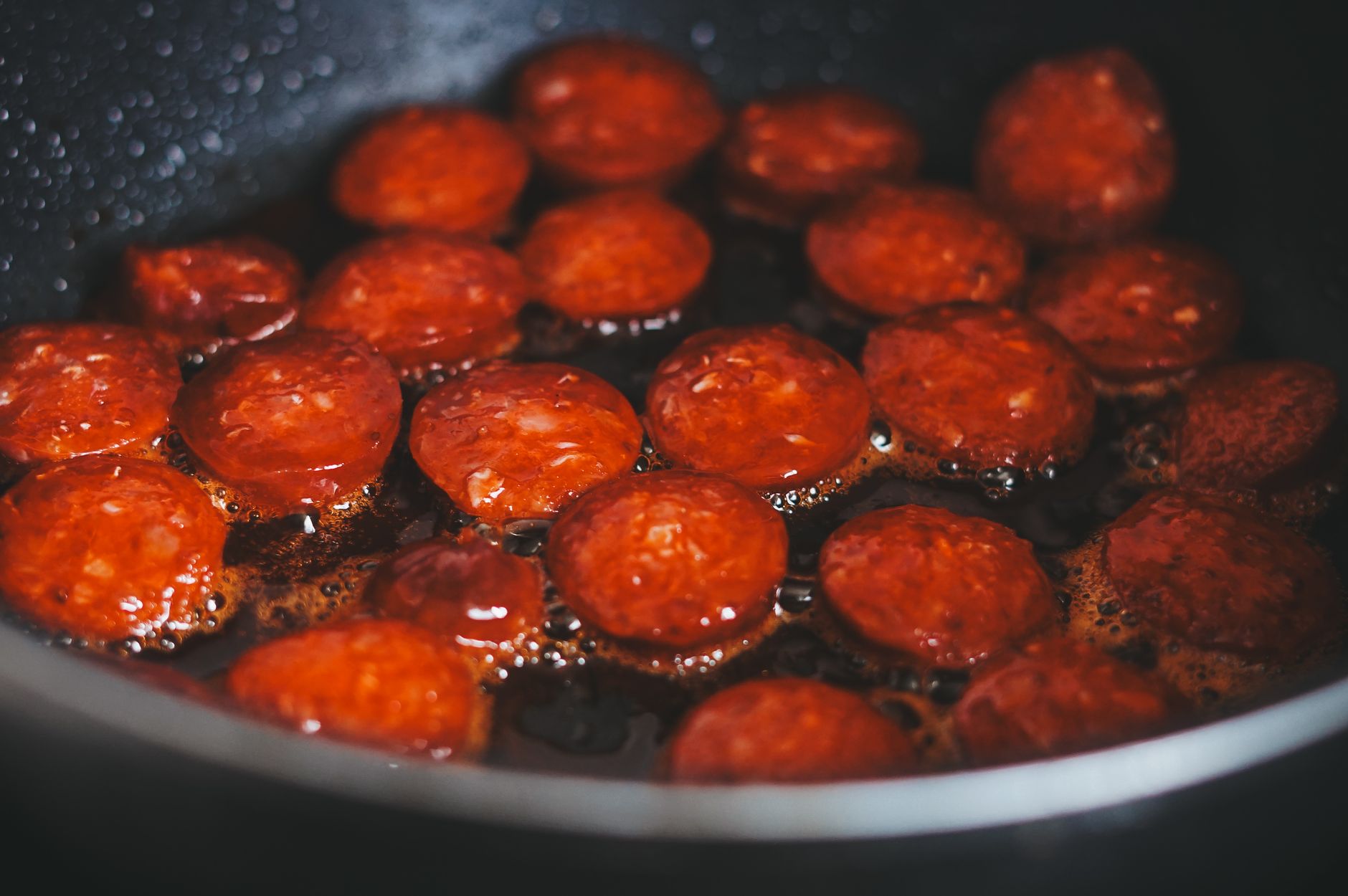
Chorizo meat is a popular and versatile ingredient known for its bold flavors and distinctive spice blend. Originating from Spain and widely used in Mexican cuisine, chorizo can enhance countless dishes, from breakfast to dinner. Understanding its ingredients, taste profile, and culinary applications can help you incorporate this vibrant sausage into your cooking.
This article dives into what chorizo meat is, its main ingredients, how it differs regionally, and suggests various culinary uses. Whether you’re a fan or new to this flavorful sausage, you’re bound to find something useful here.
What Is Chorizo Meat?
Chorizo meat is a type of pork sausage that’s heavily seasoned, offering a spicy and smoky flavor profile. At its core, chorizo consists of ground pork mixed with a variety of spices, particularly paprika, which gives it its characteristic red hue. While the exact recipe for chorizo can vary by region, its rich flavor makes it a staple in many culinary traditions.
Ingredients of Chorizo Meat
The ingredients for chorizo vary depending on the type—Spanish or Mexican—though both usually share common elements. Here’s a standard list of ingredients found in chorizo:
- Ground pork
- Pork fat (for moisture and richness)
- Smoked paprika (also known as pimentón, for flavor and color)
- Chili powder (for heat)
- Garlic (fresh or powdered for depth of flavor)
- Oregano (for an herbal note)
- Cumin (sometimes included for earthiness)
- Vinegar (to enhance flavor and preserve freshness)
- Salt (for seasoning)
Types of Chorizo
Chorizo comes in several varieties, primarily classified by its origin. While the Spanish and Mexican versions are the most popular globally, regional variations can be found throughout Latin America and Europe. Here’s a closer look:
Spanish Chorizo
Spanish chorizo is typically cured and often sold in a dry, sliced format, resembling salami. It’s seasoned primarily with smoked paprika, leading to its deep red color and smoky flavor. Spanish chorizo can be eaten raw, used in tapas, or cooked in dishes such as paella.
Mexican Chorizo
Mexican chorizo is usually sold fresh and needs to be cooked before consumption. It tends to have a spicier profile, with flavors from chili powder and vinegar. You’ll find it commonly used in tacos, burritos, and breakfast dishes. The texture is often crumbly, allowing it to blend well into various meals.
Regional Variations
Beyond the Spanish and Mexican distinctions, different countries have put their own spin on chorizo:
- Portuguese Chorizo (Chouriço): Often smoked and seasoned with garlic and red wine.
- Colombian Chorizo: Typically made with a mix of spices, served grilled or in stews.
- Argentinian Chorizo: Juicy, often served in asado (barbecue) and flavored with herbs.
Taste Profile of Chorizo Meat
The taste of chorizo meat is rich and complex, characterized by a blend of spiciness, smokiness, and savory flavor. Spanish chorizo often has a mild, smoky flavor, while Mexican chorizo presents a greater heat level due to the additional chili spices used. Here’s what to expect:
- Smokiness: Predominantly found in Spanish chorizo due to smoked paprika.
- Spiciness: More pronounced in Mexican chorizo, bringing a pleasant heat to dishes.
- Umami: The richness of the pork and the addition of garlic and herbs create a well-rounded depth of flavor.
Culinary Uses of Chorizo Meat
Chorizo can be used in various dishes and cooking methods, making it a versatile ingredient. Here are some popular culinary applications:
Breakfast Dishes
Start your day with the bold flavors of chorizo. Add it to scrambled eggs, breakfast burritos, or frittatas for a hearty meal.
Tacos and Burritos
One of the most popular uses for Mexican chorizo is in tacos and burritos. Cooked chorizo mixed with refried beans, cheese, and toppings makes for a satisfying meal.
Pasta and Rice Dishes
Add diced or crumbled chorizo to pasta sauces or rice dishes such as paella for a flavorful twist. The sausage infuses the dish with its rich flavor.
Soups and Stews
Chorizo can elevate soups and stews, bringing warmth and depth. Consider adding it to lentil soup or a Spanish-style seafood stew known as zarzuela.
Charcuterie Boards
For an elegant twist, include sliced chorizo on a charcuterie board along with cheeses, olives, and bread, showcasing its robust flavor alongside other elements.
Cooking with Chorizo Meat
Cooking with chorizo adds depth to your culinary repertoire. Here are some important tips and techniques when using chorizo:
How to Cook Chorizo
Cooking chorizo typically involves browning or crumbling the sausage in a pan. Here’s how to do it:
- Heat a skillet over medium heat.
- Remove the chorizo from its casing if using Mexican chorizo.
- Add to the hot skillet and break it apart with a spatula.
- Cook for about 5-7 minutes, or until fully browned and crumbly, stirring occasionally.
- Use in your favorite dishes.
Substitutions for Chorizo
If you need a substitute for chorizo, here are some options that vary in flavor and texture:
- Spanish Chorizo: For a similar flavor profile, use soppressata or another spiced salami.
- Mexican Chorizo: Ground pork seasoned with paprika, chili powder, and cumin can mimic the overall flavors.
- Vegetarian/Vegan Alternatives: Crumbled tempeh or tofu marinated with spices can serve as substitutes in vegetarian dishes.
Common Mistakes When Cooking with Chorizo
Here are a few common pitfalls to avoid while cooking with chorizo:
- Overcooking: Chorizo can become dry if overcooked; aim for a golden brown rather than dark brown.
- Ignoring the Spiciness: When using Mexican chorizo, adjust other spices in the dish to account for heat.
- Not Removing Casing: Always remove the casing for fresh chorizo before cooking to properly crumble it.
Serving Suggestions for Chorizo Dishes
Serving chorizo can be creative and fun. Here are some suggestions:
- Mix with avocado and fresh cilantro for a vibrant topping.
- Serve alongside crusty bread or tortillas for dipping or wrapping.
- Garnish with lime wedges and fresh herbs to brighten spicy flavors.
Storage and Shelf Life of Chorizo Meat
Proper storage of chorizo is essential to maintain its quality and safety:
- Refrigeration: Fresh chorizo should be stored in the refrigerator and consumed within 1-2 days of purchase unless packaged within its original sealed state.
- Freezing: For longer storage, freeze chorizo in an airtight container or freezer bag. It can last up to three months in the freezer.
- Cooked Chorizo: Cooked chorizo should be refrigerated within two hours and can last for 3-4 days in the fridge. Reheat thoroughly before serving.
Conclusion
Chorizo meat offers a unique taste and versatility for a wide range of dishes, enhancing everyday meals with its hearty flavors. Whether you choose Spanish or Mexican varieties, this sausage is easy to incorporate into breakfast, lunch, and dinner. Experiment with different preparations and pairings to enjoy all that chorizo has to offer.
Discover more cooking tips and exciting recipes to elevate your meals, including an insight into tasso and a great recipe for andouille sausage.