
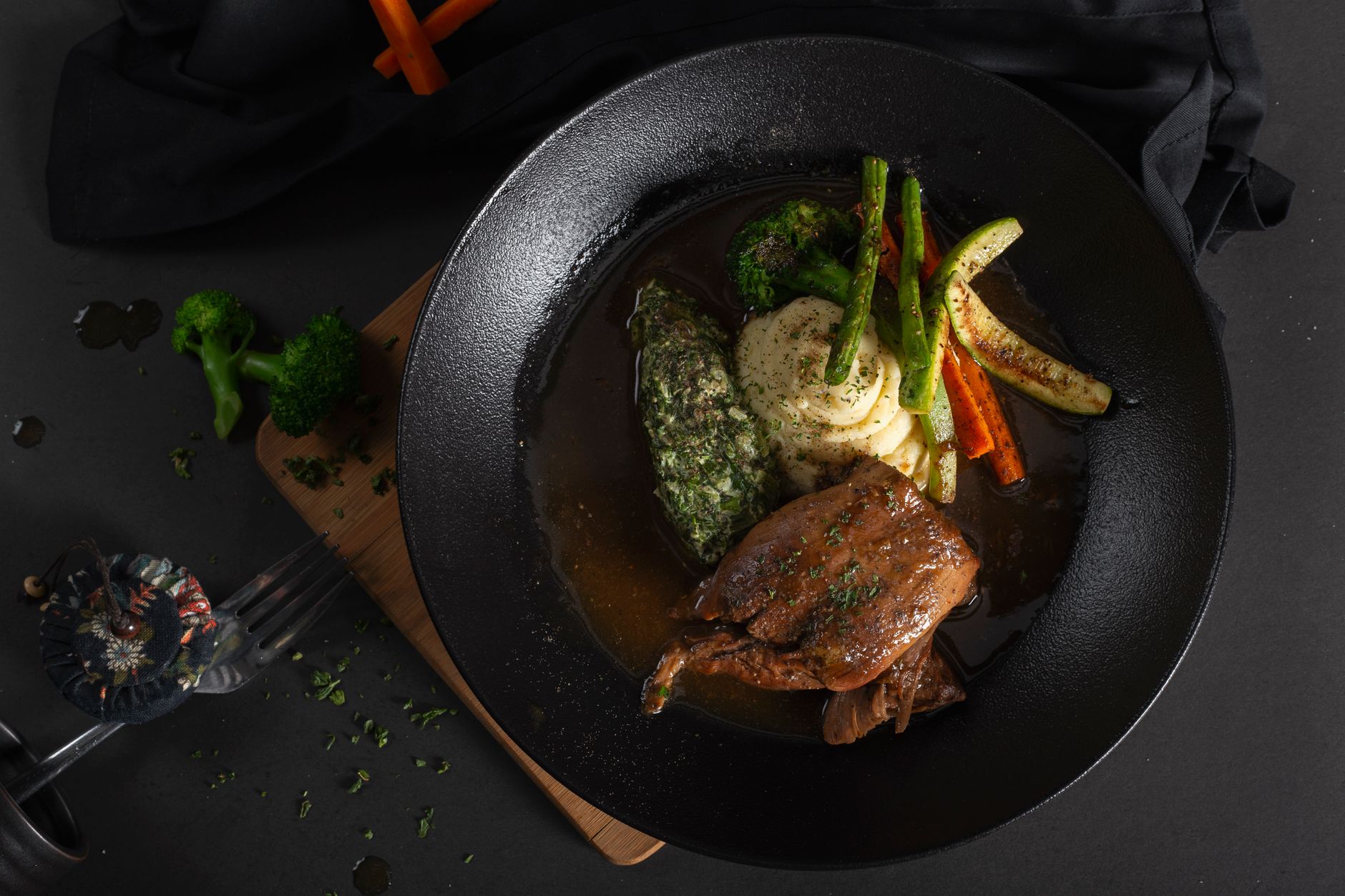
Sous vide cooking is a method that has gained popularity for its precision and ability to produce tender, flavorful dishes with consistent results. When it comes to chicken, sous vide offers a unique advantage by allowing you to control both the temperature and timing, ensuring the protein is cooked perfectly every time. But how long should you sous vide chicken, and at what temperature?
This article will guide you through the timing and temperature specifications for sous vide chicken. We will explore the best practices for cooking chicken using this method, including how to ensure safety, achieve the right texture, and infuse flavor. By the end, you will have a comprehensive understanding of sous vide chicken that you can apply in your home kitchen.
How Long to Sous Vide Chicken?
Cooking chicken sous vide typically ranges from 1 to 4 hours, depending on the cut and desired texture and doneness. The key is to maintain a temperature that is safe for poultry while breaking down tough fibers for tenderness. The USDA recommends cooking chicken to an internal temperature of 165°F (74°C), but sous vide allows for lower temperatures over longer periods for a juicier result.
Understanding Sous Vide Cooking
Sous vide, which means “under vacuum” in French, involves sealing food in a vacuum bag and immersing it in a water bath heated to a precise temperature. This technique offers several benefits for cooking chicken:
- Precision: Because the water bath maintains a consistent temperature, you can achieve a perfect cook every time.
- Tenderness: Longer cooking times at lower temperatures allow collagen to break down, resulting in moist and tender meat.
- Flavor Infusion: Cooking chicken sous vide with herbs and spices in the vacuum bag allows flavors to penetrate deeply.
Temperature and Time Guide for Sous Vide Chicken
Different cuts of chicken require different cooking times and temperatures. Below is a comprehensive guide to help you navigate the sous vide process for various chicken cuts.
Chicken Breasts
Chicken breasts are lean and can dry out easily if overcooked. Sous vide cooking ensures they remain juicy and tender.
- Temperature: 140°F (60°C) to 165°F (74°C)
- Time: 1 to 2 hours recommended for 140°F; 1 to 4 hours for 150°F; 1 to 2 hours for 165°F
Chicken Thighs
Chicken thighs have more fat and connective tissue, making them more forgiving to cook at lower temperatures. They become incredibly tender when cooked properly.
- Temperature: 165°F (74°C) for traditional texture, or 150°F (65.5°C) for a more tender texture
- Time: 1 to 2 hours at 165°F; 2 to 4 hours at 150°F
Chicken Drumsticks
Drumsticks have a rich flavor profile and can handle longer cooking times. This helps to break down the tougher muscle fibers.
- Temperature: 165°F (74°C) for traditional texture, or 150°F (65.5°C) for tenderness
- Time: 1 to 2 hours at 165°F; 2 to 4 hours at 150°F
Whole Chicken
Cooking a whole chicken sous vide requires careful attention to ensure it is heated through and fully cooked.
- Temperature: 150°F (65.5°C) to 165°F (74°C)
- Time: 4 to 6 hours at 150°F; 3 to 4 hours at 165°F
Safety Guidelines for Sous Vide Chicken
While sous vide cooking offers numerous advantages, it is critical to follow safety guidelines to prevent foodborne illness:
- Always ensure the water bath is heated to the desired temperature before adding the chicken.
- Cook chicken to a minimum internal temperature of 165°F (74°C) for at least 15 seconds or the appropriate sous vide temperatures for the recommended time to achieve pasteurization.
- Use a food thermometer to confirm the temperature of the chicken before consumption.
- Maintain proper hygiene when handling raw chicken to prevent cross-contamination.
Essential Equipment for Sous Vide Cooking
To successfully sous vide chicken, you will need some essential equipment:
- Sous Vide Immersion Circulator: Allows you to heat and maintain the temperature of the water bath.
- Vacuum Sealer: Seals the chicken with any marinade or seasoning for optimal flavor.
- Resistant Bags: Use BPA-free plastic bags that can withstand the sous vide temperature.
- Large Container: A pot or container that can hold water to create the sous vide bath.
How to Sous Vide Chicken: Step-by-Step
This method will walk you through the process of sous vide cooking chicken, ensuring juicy and flavorful results.
- Prepare the Chicken: Trim any excess fat from the chicken and season it with salt, pepper, and any additional desired spices or marinades.
- Vacuum Seal: Place the chicken in a vacuum-sealable bag and seal it tightly. If using a zip-top bag, use the water displacement method by lowering the bag into the water and sealing it just above the water line.
- Preheat Water Bath: Fill your container with water and set the immersion circulator to the desired temperature based on the type of chicken you are cooking.
- Cook: Once the water reaches the desired temperature, submerge the sealed bag of chicken in the water bath. Cook for the recommended time based on the specific chicken cut.
- Finish (Optional): After sous vide cooking, you can sear the chicken in a hot skillet for 1-2 minutes per side to develop a golden crust if desired.
- Serve: Remove the chicken from the bag, slice, and serve with your favorite sides.
Common Mistakes When Sous Vide Cooking Chicken
While sous vide is a forgiving method, some common mistakes can still occur. Here are some tips to troubleshoot them:
- Not Sealing Properly: Ensure the bag is vacuum-sealed properly to prevent water from getting in and spoiling the chicken.
- Overcooking: Ensure to follow the timing guidelines closely. Lengthy exposure to heat can change the texture of chicken, making it mushy.
- Not Preheating the Water Bath: Always preheat the water bath before placing chicken inside to ensure even cooking.
- Neglecting Safety: Always use a thermometer to confirm the chicken reaches the appropriate temperature for consumption.
Flavor Variations for Sous Vide Chicken
Experimenting with flavors is easy with sous vide cooking. Here are some suggestions to enhance the flavor of your chicken:
- Herbs and Spices: Add fresh herbs like rosemary, thyme, or basil directly into the vacuum bag.
- Citrus: Squeeze lemon or orange juice in the bag for brightness and acidity.
- Marinades: Use your favorite marinades, but beware of acidic ingredients that may alter the texture of the meat if used in high amounts.
- Garlic and Onion: Infuse great flavor by adding garlic cloves or onion slices to the bag.
Storage and Reheating Sous Vide Chicken
If you have cooked more chicken than you can eat at once, sous vide chicken can be stored safely:
- Storage: Keep leftover sous vide chicken in its vacuum-sealed bag in the refrigerator for up to 4 days or freeze for longer storage.
- Reheating: For best results, reheat chicken using the sous vide method at the original cooking temperature for about 30 minutes, or until heated through.
Conclusion
Sous vide chicken is a foolproof way to ensure juicy, tender meat every time. The precise control over temperature and timing eliminates the guesswork typically involved in cooking chicken, making it not only easy but also delicious. Remember to always follow safety guidelines and enjoy experimenting with various flavors and techniques.
If you’re interested in food safety and storage tips, check out how long cooked chicken lasts or learn an easy sous vide chicken breast recipe for your next meal.