
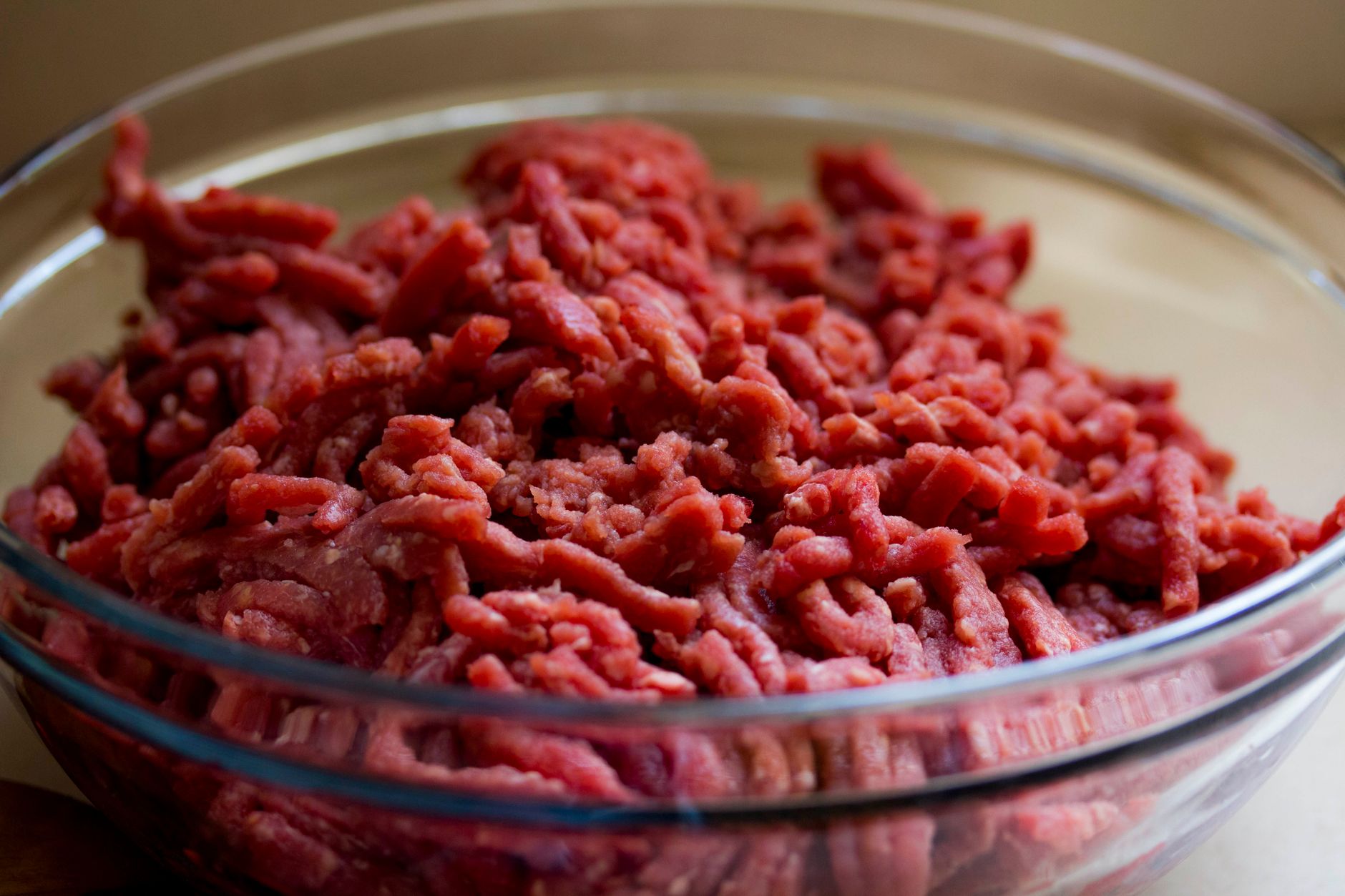
Ground beef is a staple ingredient found in numerous dishes around the world, from burgers and meatloaf to tacos and spaghetti. However, knowing if ground beef has gone bad can be tricky, especially since it may not always show obvious signs of spoilage. This article will help you understand the indicators of spoiled ground beef and provide storage tips to ensure your meat remains safe for consumption.
Understanding how to identify bad ground beef is crucial not only for your taste buds but also for your health. Consuming spoiled meat can lead to foodborne illnesses, which can be serious. Let’s explore the signs of spoilage, proper storage techniques, and safety tips for ground beef.
How Do I Know If Ground Beef Is Bad?
You can determine if ground beef is bad by examining several key factors: color, smell, texture, and storage time. Fresh ground beef is typically a bright red color, has no off-putting odors, and a firm texture. If you notice any changes in these characteristics, it’s time to assess the meat further.
Signs That Ground Beef Has Gone Bad
1. Color Changes
Fresh ground beef is a bright red, thanks to myoglobin, a protein that helps store oxygen in muscle cells. However, if the meat turns a grayish-brown color, it might indicate spoilage. This discoloration often occurs when the meat has been exposed to air. It’s important to note that color alone isn’t always a definitive indicator of freshness; some structurally sound meat may have color changes yet still be safe to eat.
2. Off-Putting Odors
One of the most reliable ways to determine the freshness of ground beef is by smelling it. Fresh ground beef should have a mild, meaty aroma. If it emits a sour or ammonia-like smell, it’s best to discard it, as this indicates microbial activity and spoilage.
3. Texture Changes
Good ground beef should feel firm and slightly moist. If you notice sliminess or stickiness on the surface, these are signs that bacterial growth has occurred, and the meat should be thrown away. The texture should feel even and not mushy or crumbly.
4. Expiration Dates
Always check the packaging for the “use by” or “sell by” dates. Ground beef can generally be stored safely in the refrigerator for 1-2 days after purchase. If it has been in the fridge for longer than this, it’s advisable to err on the side of caution and discard it. If you freeze ground beef, it can last for 3-4 months while maintaining its best quality.
5. Presence of Discoloration or Ice Crystals (in Frozen Ground Beef)
If you’re checking ground beef from your freezer, look for significant discoloration or ice crystals on the surface. While freezer burn doesn’t mean the meat is spoiled, it can affect the quality and taste. If the meat appears dried out or shriveled, it may be best to throw it away, as the quality will be compromised.
Proper Storage Techniques for Ground Beef
Refrigeration
Storing ground beef correctly is essential to prolong its freshness. Keep it in the coldest part of your refrigerator, ideally at temperatures below 40°F (4°C). For optimal safety, use ground beef within 1-2 days of purchase. Keep the meat in its original packaging for short-term storage, but it’s best to place it in an airtight container or wrap it with plastic wrap for added protection.
Freezing Ground Beef
If you don’t plan to use your ground beef within a couple of days, freezing is an excellent option to extend its shelf life. Wrap the beef tightly in plastic wrap or aluminum foil, or place it in a freezer-safe bag, squeezing out as much air as possible to prevent freezer burn. Make sure to label the package with the date. It can be stored in the freezer for up to 4 months without a significant loss in quality.
Thawing Ground Beef Safely
When it comes to using frozen ground beef, thawing safely is crucial. Avoid thawing at room temperature, as this can promote bacterial growth. Instead, use one of the following methods:
- Refrigerator Thawing: Transfer the frozen meat to the refrigerator for 12-24 hours before cooking.
- Cold Water Thawing: Place the sealed meat in cold water, changing the water every 30 minutes. This method will thaw the meat in 1-3 hours.
- Microwave Thawing: Use the defrost setting on your microwave, but cook the meat immediately afterward to prevent bacterial growth.
Ground Beef Safety Tips
To minimize the risk of foodborne illness and spoilage, follow these ground beef safety tips:
- Cook Thoroughly: Ground beef must reach a minimum internal temperature of 160°F (71°C). Use a food thermometer to ensure safety.
- Avoid Cross-Contamination: Use separate cutting boards and utensils for raw meat to prevent bacteria from spreading to other foods.
- Store Leftovers Properly: If you’ve cooked ground beef, store any leftovers in an airtight container in the refrigerator and consume them within 3-4 days.
Common Mistakes to Avoid
1. Relying Only on Color
As noted, while color changes are a possible sign of spoilage, they aren’t the only factor in determining the freshness of ground beef. Relying solely on color can lead to misunderstandings about meat quality.
2. Ignoring the Smell
Many people overlook the importance of a good sniff test. If your ground beef has an off-putting smell, it’s best to avoid eating it, regardless of its appearance.
3. Leaving Meat at Room Temperature
Leaving ground beef out at room temperature for an extended period can result in bacterial growth. Always refrigerate or freeze ground beef promptly after purchasing it to ensure its safety.
When in Doubt, Throw It Out
Food safety should always be your primary concern. If you’re unsure about the freshness of ground beef after doing a visual and smell check, it’s best to throw it out. The risks associated with consuming spoiled meat can lead to serious health issues, making it not worth the gamble.
Summary of Key Points
Detecting spoiled ground beef is crucial for executing a safe meal plan. Focus on visual signs like color and texture, always conduct a smell test, and follow best storage practices. Remember that safety should come first; when in doubt, simply discard the meat. Following the guidelines provided in this article will help keep your cooking safe and enjoyable.
To ensure the quality of your meals, consider exploring more about how long ground beef is good for in the fridge or learn about other cooking methods with items like boneless pork chops at the links provided. Stay informed and enjoy cooking with confidence!