
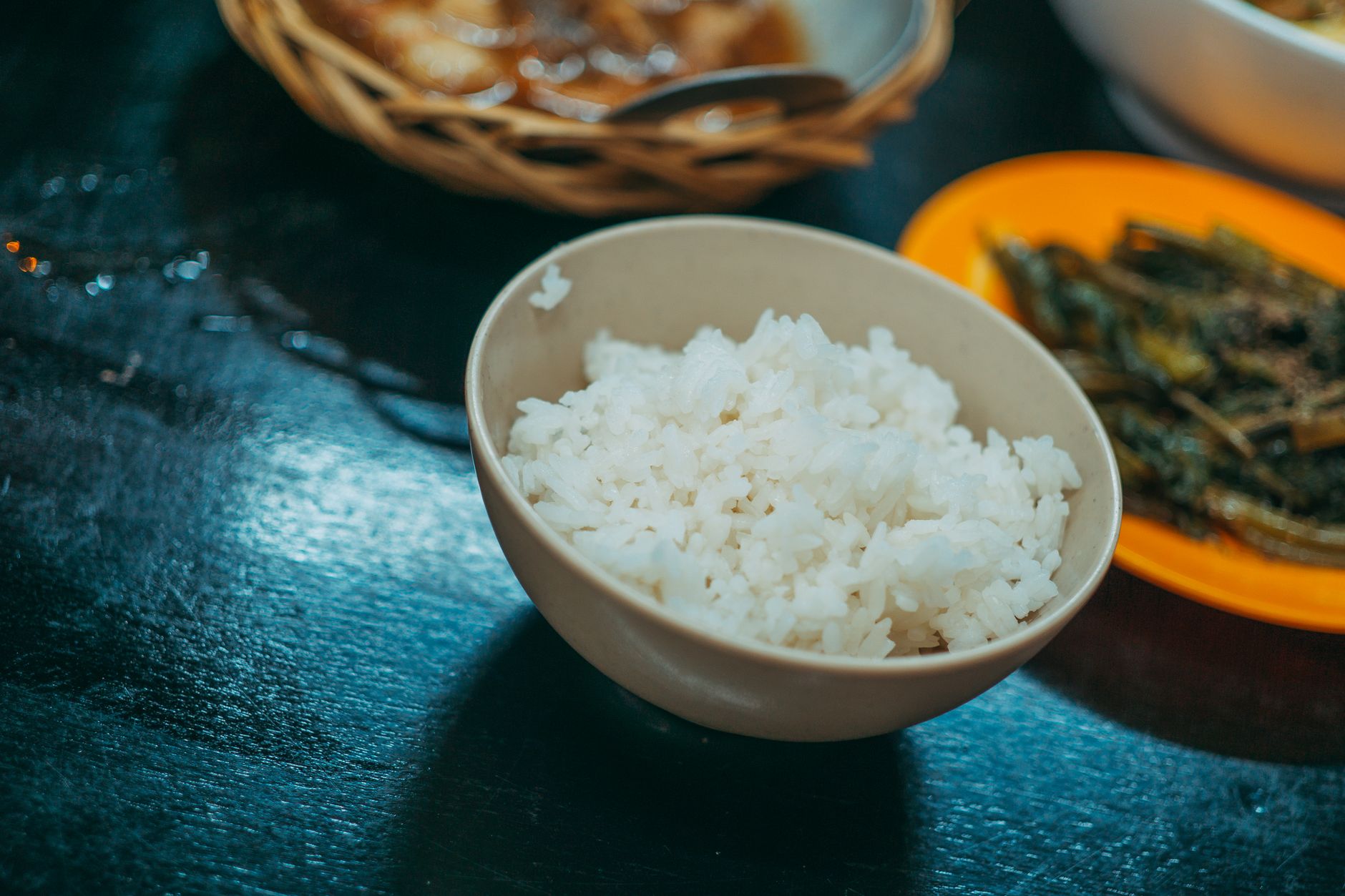
Rice is a staple food enjoyed by millions around the world, celebrated for its versatility and taste. As more people focus on their protein intake, a common question arises: Is rice a complete protein? Understanding the nutritional profile of rice can help you make informed dietary choices, whether you’re an athlete, a vegetarian, or simply interested in a healthy diet.
This article delves into the protein content of rice, explores its status as a complete protein, and provides insights on how to combine rice with other foods to create balanced meals. With practical tips on portion sizes, preparation methods, and meal ideas, you’ll find everything you need to incorporate rice into a protein-rich diet.
Is Rice a Complete Protein?
Rice is not considered a complete protein on its own. A complete protein contains all nine essential amino acids that the human body cannot produce on its own. While rice is an excellent source of carbohydrates and can provide some protein, it lacks sufficient amounts of amino acids lysine, threonine, and tryptophan. However, it is possible to achieve complete protein status by combining rice with other food sources.
The Nutritional Profile of Rice
Rice is primarily composed of carbohydrates, making it an excellent energy source. The nutritional content can vary depending on the type of rice. Here’s a breakdown of the nutritional values for a typical serving (1 cup, cooked) of different types of rice:
| Type of Rice | Calories | Protein (g) | Carbohydrates (g) | Fiber (g) |
|---|---|---|---|---|
| White Rice | 205 | 4.25 | 45 | 0.6 |
| Brown Rice | 218 | 5.0 | 45 | 3.5 |
| Jasmine Rice | 205 | 4.25 | 45 | 0.7 |
| Basmati Rice | 205 | 4.25 | 45 | 0.6 |
As indicated, rice provides a modest amount of protein, but it falls short of providing all essential amino acids necessary for a complete protein source.
Amino Acids: The Building Blocks of Protein
Amino acids are organic compounds that combine to form proteins. There are 20 different amino acids, nine of which are classified as essential; they must come from our diet. The essential amino acids are:
- Histidine
- Isoleucine
- Leucine
- Lysine
- Methionine
- Phenylalanine
- Threonine
- Tryptophan
- Valine
Rice contains some amino acids, including methionine and cysteine, but is particularly low in lysine. To obtain a complete protein profile, it can be beneficial to pair rice with foods rich in lysine and other essential amino acids.
Combining Rice for Complete Protein
To make rice a complete protein, consider pairing it with complementary foods that provide the amino acids rice lacks. Here are some excellent combinations:
1. Rice and Legumes
One of the most famous pairings is rice and beans. This combination not only offers a complete protein profile but also enhances flavor and texture. The lysine in beans complements the methionine in rice, making this duo a staple in many cultures.
2. Rice and Nuts/Seeds
Adding nuts or seeds, such as sunflower seeds or almonds, to rice can improve its protein quality. A mixture can create a hearty salad or grain bowl that provides essential amino acids alongside healthy fats.
3. Rice and Dairy
Incorporating dairy products like yogurt or cheese with rice can also help fulfill the complete protein requirement. Think of dishes such as rice pudding with a dollop of Greek yogurt on top or a cheesy rice casserole.
4. Rice and Vegetables
Though vegetables generally have lower protein contents, some vegetables, like spinach and broccoli, contain higher levels of amino acids. A stir-fry with brown rice and a variety of vegetables can create a nutritious one-dish meal.
Portion Sizes for Rice Consumption
Understanding appropriate portion sizes can help ensure you’re getting enough protein in your diet, especially when using rice as a base. Here are some typical portion sizes for different meals:
- Side dishes: 1/2 to 1 cup of cooked rice
- Main dishes: 1 to 2 cups of cooked rice
- Grain bowls or stir-fries: 1 cup cooked rice, plus protein sources
It’s worth noting that brown rice generally provides more fiber and nutrients than white rice, making it a more nutritious choice for regular consumption.
Nutritional Benefits of Rice
Beyond protein, rice offers several nutritional benefits:
- Energy Source: Rice is high in carbohydrates, which provide essential energy for daily activities and workouts.
- Gluten-Free: Rice is naturally gluten-free, making it safe for those with gluten intolerance or celiac disease.
- Vitamins and Minerals: Brown rice contains various vitamins, including B vitamins, magnesium, and iron, contributing to overall health.
- Digestibility: Rice is easy to digest, making it a great option for those with digestive issues or recovering from illness.
Common Mistakes When Cooking Rice
Cooking rice seems straightforward, but there are a few common errors to avoid:
- Not Rinsing Rice: Rinsing rice before cooking removes excess starch, preventing it from becoming sticky. Always rinse until the water runs clear.
- Using Too Much Water: Different rice varieties require different water-to-rice ratios. Use about 1.5 to 2 cups of water for every cup of rice, based on the type.
- Skipping the Resting Time: Letting rice rest for about 5-10 minutes after cooking helps it absorb any residual moisture and enhances fluffiness.
Cooking Techniques for Rice
Various methods can be used to cook rice, each yielding a distinct texture. Here are some popular techniques:
1. Boiling Method
- Rinse the rice until the water runs clear.
- In a pot, combine rice and water in the appropriate ratio.
- Bring to a boil over high heat, then reduce to low heat and cover.
- Simmer for the recommended time (check the rice package for specifics).
- Remove from heat and let sit covered for 5-10 minutes. Fluff with a fork before serving.
2. Steaming Method
- Rinse the rice and prepare a steamer pot or a rice cooker.
- Add water according to the rice type or rice cooker instructions.
- Once the water is boiling, place the rice in the steaming basket and cover.
- Steam for the appropriate time for the rice variety.
- Fluff and serve.
3. Rice Cooker
- Rinse the rice thoroughly.
- Add rice and water to the rice cooker according to recommendations.
- Close the lid and select the appropriate setting for the rice type.
- Once the cooking cycle is complete, let it rest for a few minutes before opening.
- Fluff and serve warm.
Conclusion
Rice serves as a delicious and nutritious part of many diets, but it’s essential to recognize that it does not provide all essential amino acids on its own. By combining rice with foods rich in lysine and other amino acids, you can create meals that fulfill your complete protein requirements. Understanding the nutritional profile, cooking techniques, and complementary pairings can help you enjoy rice while ensuring a balanced diet.
For those looking to enhance their protein intake, consider exploring various recipes that incorporate rice and complementary protein sources. You can check out some delicious options such as protein cookies or protein granola to integrate into your meal plans. Explore these ideas and start cooking with rice today!