
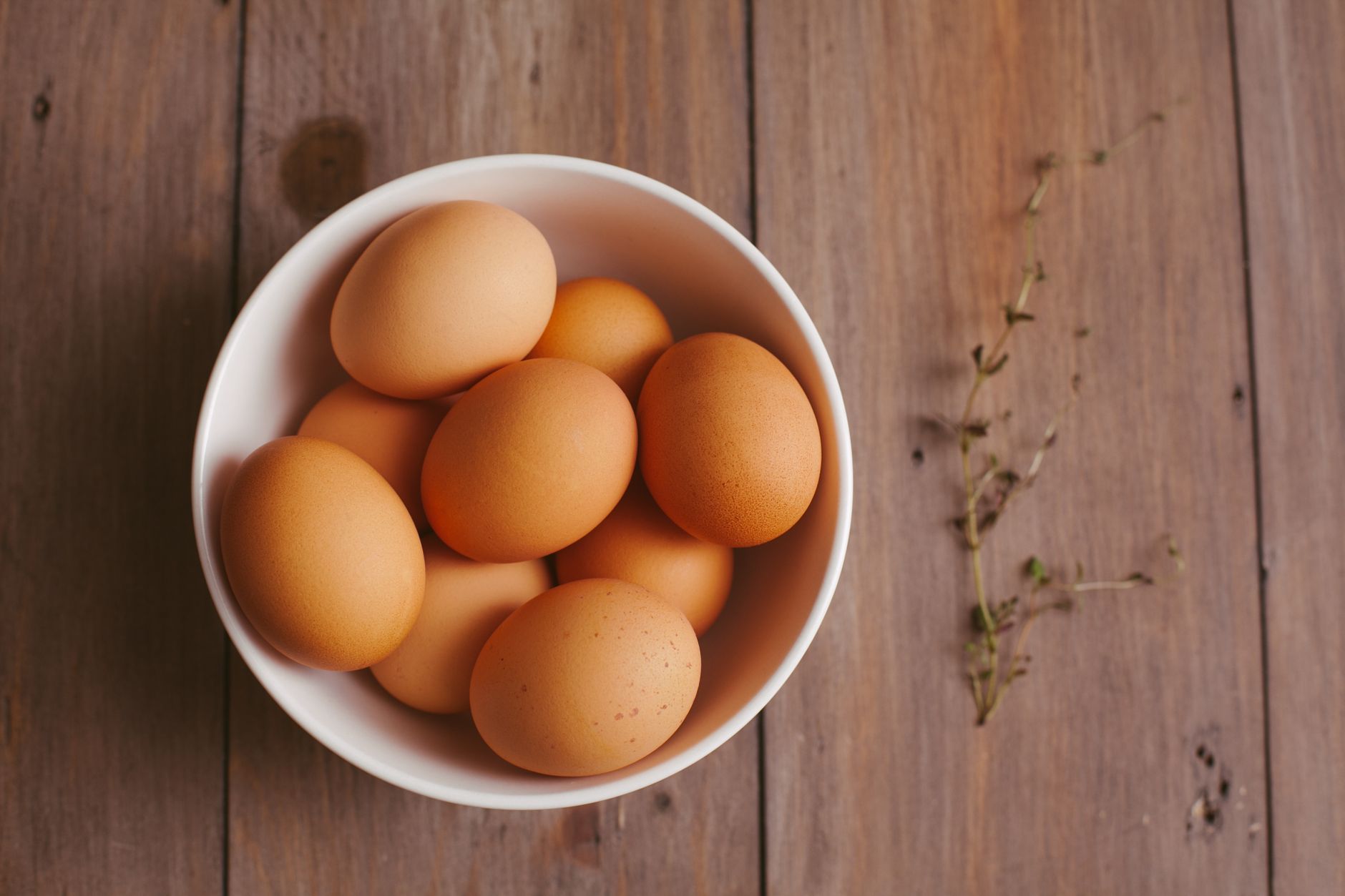
Eggs are a staple in many diets around the world, revered for their versatility and nutritional profile. However, a common question arises: how much fat is in one egg? Understanding the fat content in eggs can aid in making informed dietary choices, whether you’re counting macros, following a specific diet, or simply curious about this popular ingredient.
In this article, we’ll delve into the fat content of an egg, examine the nutritional profile, explore its health implications, and discuss how eggs can fit into various eating patterns. Additionally, we’ll provide practical tips for cooking and cooking with eggs, along with their potential substitutes.
How Much Fat in One Egg?
One large egg typically contains about 5 grams of fat. The fat in an egg is primarily found in the yolk, with the white being virtually fat-free. This fat content contributes to the caloric value of the egg, which is approximately 70 calories per large egg. Understanding this breakdown helps individuals tailor their diet to meet specific health goals.
Nutritional Profile of an Egg
To grasp the significance of the fat in eggs, it’s essential to look at their entire nutritional profile. Here’s what a large egg generally provides:
- Calories: 70
- Protein: 6 grams
- Fat: 5 grams (of which saturated fat is about 1.5 grams)
- Cholesterol: 186 milligrams
- Carbohydrates: 1 gram
- Vitamin D: 41 IU
- Iron: 0.9 mg
- Folate: 24 mcg
- Riboflavin: 0.2 mg
- Vitamin B12: 0.6 mcg
This information indicates that eggs are a nutrient-dense food source, loaded not only with protein and healthy fats but also essential vitamins and minerals.
The Different Types of Fat in Eggs
The total fat content in eggs can be broken down into various categories, primarily saturated, monounsaturated, and polyunsaturated fats:
Saturated Fat
This fat type accounts for a portion of the fat in eggs, primarily concentrated in the yolk. While it is generally advised to limit saturated fat intake, eggs provide it in moderation, which is generally considered acceptable in a balanced diet.
Monounsaturated Fat
Monounsaturated fats are often touted for their health benefits, including reducing the risk of heart disease. Eggs contain this beneficial fat, making them a healthy addition to your meals when consumed in moderation.
Polyunsaturated Fat
Eggs also contain polyunsaturated fats, which include omega-3 and omega-6 fatty acids. These fats are essential for bodily functions and can contribute to cardiovascular health. Free-range and omega-3 enriched eggs tend to have higher amounts of these beneficial fats.
Health Implications of Egg Consumption
Eggs have often been a topic of discussion in nutrition—some considering them a healthy source of protein and fat, while others express concerns about cholesterol levels. Here’s a look at the health implications of eating eggs:
Heart Health
While it was once thought that the cholesterol in eggs could raise blood cholesterol levels, recent research suggests that for most people, eggs do not significantly impact heart disease risk. Instead, eggs can be part of a heart-healthy diet, particularly when replacing processed meats or higher-fat dairy products.
Weight Management
Due to their high protein content, eggs can promote satiety—helping you feel fuller for longer. Including eggs in meals, especially at breakfast, may assist with weight management by preventing overeating later in the day.
Muscle Repair and Recovery
The protein in eggs is of high biological value, meaning it provides all the essential amino acids your body needs. This makes eggs an excellent choice for muscle repair and recovery, particularly for athletes or those engaging in regular exercise.
Cooking with Eggs: Versatility and Techniques
Eggs are incredibly versatile ingredients that can be prepared in various ways, emphasizing different textures and flavors. Here are some common cooking techniques for eggs:
Boiled Eggs
- Place eggs in a pot and cover with water.
- Bring to a boil, then cover and remove from heat.
- Let sit for 9–12 minutes, depending on desired doneness.
- Transfer to an ice bath to stop cooking.
Scrambled Eggs
- In a bowl, beat eggs with a fork until combined.
- Heat butter or oil in a non-stick skillet over medium heat.
- Add eggs and gently stir with a spatula until they begin to set.
- Remove from heat while still slightly runny; they will continue to cook.
Fried Eggs
- Heat oil or butter in a skillet over medium heat.
- Crack an egg into the pan.
- Cook until the white is set but the yolk remains runny, about 3-4 minutes.
- For over-easy, carefully flip the egg and cook for an additional minute.
Practical Egg Substitutions
If you’re looking for alternatives to eggs, whether due to allergies, dietary preferences, or simply running out, several substitutes can work, particularly in baking and cooking:
- Flaxseed Meal: Mix 1 tablespoon of flaxseed meal with 2.5 tablespoons of water. Let it sit for 5 minutes before use. This works well in muffins and pancakes.
- Chia Seeds: Similar to flaxseed, 1 tablespoon of chia seeds mixed with 3 tablespoons of water can replace one egg in dishes.
- Applesauce: Use 1/4 cup of unsweetened applesauce as a substitute for one egg, especially in sweet recipes for added moisture.
- Silken Tofu: Blend 1/4 cup of silken tofu until smooth to replace one egg in baking. This creates a dense texture, suitable for brownies.
Common Mistakes When Cooking Eggs
Even the humble egg can cause some cooking challenges. Here are a few common mistakes to avoid:
- Not using fresh eggs—older eggs can have an undesirable smell or texture.
- Overcooking—this can lead to rubbery textures, especially in scrambled eggs.
- Skipping seasoning—salt enhances eggs’ flavor, so don’t forget to season while cooking.
- Ignoring temperature—cooking eggs at high temperatures can result in burnt or uneven cooking.
Storage Tips for Eggs
Proper storage is crucial for maintaining the quality and safety of eggs. Here are some guidelines to follow:
- Keep eggs in their original carton in the refrigerator to protect them from absorbing odors.
- Store eggs in the coldest part of the fridge, not in the door, which is subject to temperature fluctuations.
- Use eggs within three to five weeks of purchase for the best quality.
- Check the “sell by” or “use by” dates, and use eggs before these dates for optimal freshness.
Meal Planning with Eggs
Eating eggs doesn’t have to be boring; they can be an integral part of balanced meal planning. Here are some ways to incorporate eggs into your daily meals:
- Breakfast: Scrambled eggs with spinach and tomatoes or an egg and vegetable frittata.
- Lunch: Hard-boiled eggs on a salad for added protein or egg salad for a sandwich.
- Dinner: Incorporate eggs into stir-fries or as a topping for grain bowls.
- Snacks: Enjoy deviled eggs or simply hard-boiled eggs with a sprinkle of salt.
Final Thoughts
Understanding how much fat is in one egg can help you appreciate its place in a balanced diet. Eggs offer valuable nutrients, essential fats, and protein, making them a versatile and healthful option in various culinary applications. With these insights and practical tips, you’re set to make the most of this beloved ingredient.
For more cooking guidance, you might want to explore these related topics: calories in scrambled eggs and how long to keep eggs in the refrigerator.