
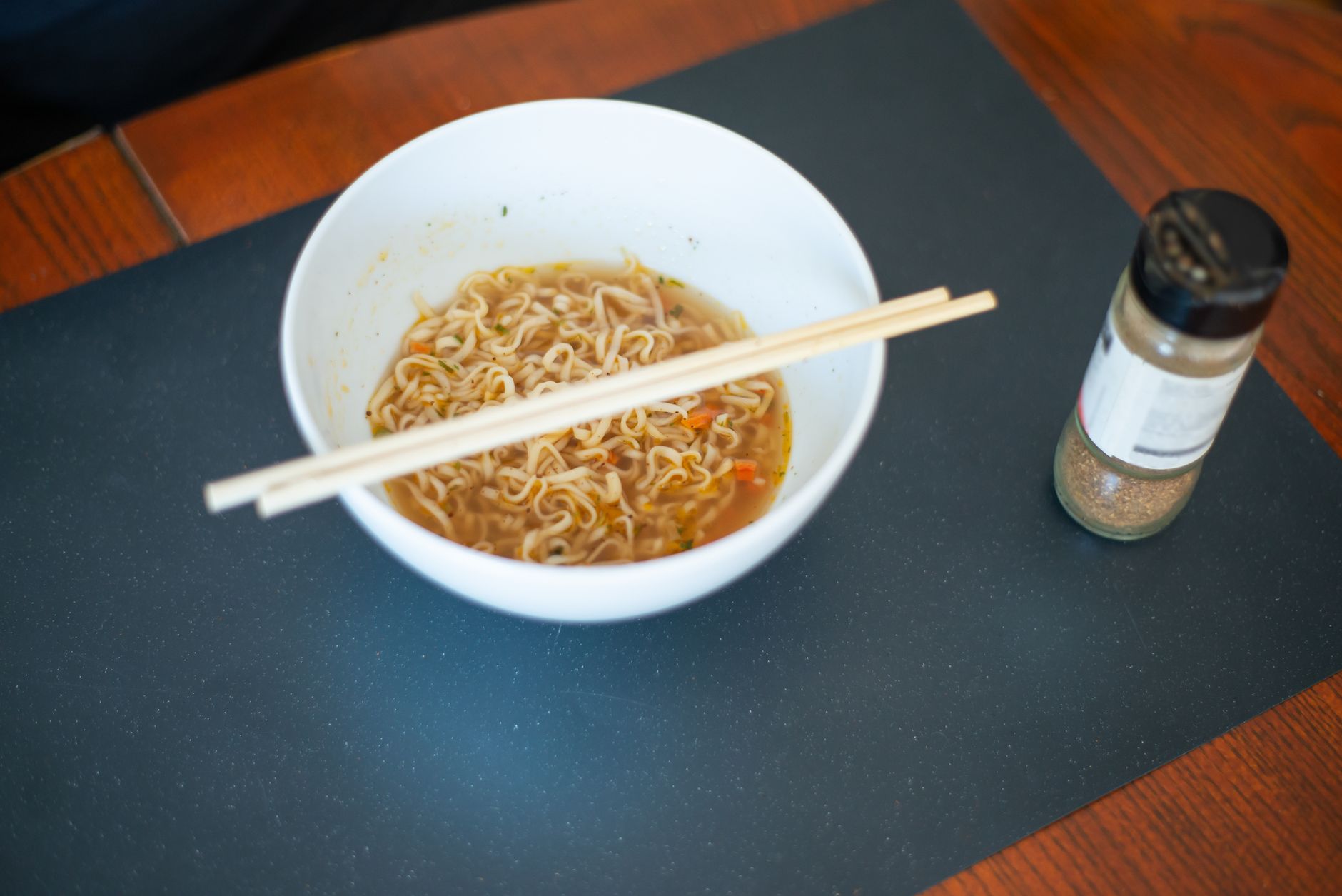
Ramen is a beloved dish that has captured the hearts (and stomachs) of people around the world. It’s quick, convenient, and flavorful, making it a go-to meal for many. However, as easy as it is to enjoy a bowl of ramen, it often raises questions about its nutritional value and potential health impacts.
This article explores how unhealthy ramen can be, looking at its ingredients, nutritional facts, and potential impacts on health. By understanding what’s in ramen and how it can fit into a balanced diet, you can make informed choices about your meals and enjoy this popular dish with more awareness.
How Unhealthy Is Ramen?
Ramen is often considered unhealthy due to its high sodium content, refined carbohydrates, and lack of essential nutrients. A typical serving of instant ramen noodles can contain about 1,500 mg or more of sodium, which is close to the recommended daily limit. Additionally, the noodles are usually made from white flour, which lacks fiber and nutrients. These factors can contribute to various health issues when consumed excessively.
Understanding Ramen: Ingredients and Preparation
To determine how unhealthy ramen can be, it’s essential to look at its key components. Ramen is primarily composed of noodles, a seasoning packet, and often paired with broth or toppings such as meat, vegetables, and eggs.
1. Ramen Noodles
- Refined Carbohydrates: Most ramen noodles are made from refined wheat flour, lacking the fiber and nutrients of whole grains.
- Additives: Many instant ramen brands include preservatives and additives to prolong shelf life and enhance flavor.
- Fried vs. Non-Fried: Some instant ramen noodles are fried before packaging, significantly increasing their calorie and fat content.
2. Flavoring Packets
- Sodium Levels: The seasoning packets often contain a high level of sodium, which can lead to health concerns when consumed in excess.
- Additives: They may also contain artificial flavors, colors, and MSG, which some people prefer to avoid due to potential sensitivities.
3. Broth and Toppings
- Broth Composition: Pre-packaged broth can be high in sodium and unhealthy fats, especially if made with animal fat or oils.
- Healthier Options: Adding fresh vegetables, lean proteins, and eggs can enhance the nutritional value of ramen.
Nutritional Breakdown of Instant Ramen
To better understand the health implications, let’s break down the nutrition facts typically found in a single serving of instant ramen (excluding any additional toppings).
| Nutrient | Amount per Serving |
|---|---|
| Calories | 380 |
| Total Fat | 15g |
| Saturated Fat | 7g |
| Cholesterol | 0mg |
| Sodium | 1,500mg |
| Total Carbohydrates | 54g |
| Dietary Fiber | 1g |
| Sugars | 1g |
| Protein | 10g |
As seen in the table above, instant ramen is low in fiber and protein but high in calories, fat, and especially sodium. These nutritional aspects can pose health risks when consumed excessively, especially concerning hypertension and heart disease.
The Effects of Regular Ramen Consumption
Eating ramen regularly, particularly instant varieties, can lead to various health issues over time. Understanding these potential risks can help guide your dietary choices.
1. High Sodium Intake
Excess sodium is linked to high blood pressure, which is a risk factor for heart disease. Regular consumption of ramen, especially with the seasoning packet, can easily push your sodium intake above the recommended limit.
2. Lack of Nutritional Balance
Ramen is not a balanced meal. Its lack of vitamins, minerals, and fiber means that it doesn’t provide the necessary nutrients for a healthy diet, possibly leading to deficiencies over time if relied upon as a staple meal.
3. Weight Gain
Due to its high-calorie content and low fiber, ramen may promote overeating. Fiber is essential for feeling full, and the absence of it means that a bowl of ramen may not satiate hunger, leading to increased calorie intake throughout the day.
4. Potential for Unhealthy Eating Patterns
Relying on ramen as a quick meal can foster poor eating habits, including a preference for processed and convenience foods while neglecting fruits, vegetables, and whole grains.
Healthier Ramen Alternatives
While conventional ramen can be unhealthy, you can make several adjustments to create a more nutritious meal.
1. Choose Whole Grain Noodles
Opt for whole-grain ramen noodles that retain the fibers and nutrients found in wheat. This choice increases fiber content and helps with digestion.
2. Make Your Own Broth
Instead of using store-bought broth high in sodium and unhealthy fats, consider simmering your own broth using bones, vegetables, and herbs, allowing you to control the ingredients and sodium level.
3. Add Fresh Ingredients
Incorporate fresh vegetables such as spinach, bok choy, carrots, or mushrooms, and protein sources like grilled chicken, tofu, or hard-boiled eggs to improve the nutritional profile of your dish.
4. Control Portions
Consider serving ramen as a side dish rather than a main course or splitting a packet with a friend. This simple adjustment can help reduce calorie and sodium intake.
5. Experiment with Homemade Seasoning
Create your own seasoning blend using lower sodium options like garlic powder, ginger, herbs, or chili flakes to flavor your ramen without excessive salt.
Common Mistakes When Preparing Ramen
When preparing ramen at home, it’s easy to fall into some common pitfalls that can compromise the dish’s healthiness and flavor.
1. Using the Entire Seasoning Packet
Many people use all the seasoning included in the packet, not realizing how much sodium it adds. Consider using only half, or substitute it with homemade flavors.
2. Overcooking Noodles
Overcooked noodles can become mushy and may spoil the dish’s texture. Follow cooking directions carefully and taste for doneness.
3. Neglecting Fresh Ingredients
Not adding fresh ingredients can turn a potentially healthy ramen dish into another uninspired bowl of noodles. Always aim for a variety of textures and flavors by incorporating proteins and vegetables.
Making Ramen Fit Into a Balanced Diet
While ramen may have its drawbacks, it can still be a part of a balanced diet when consumed mindfully. The key is moderation and making thoughtful substitutions. Here’s how to do it:
- Limit serving frequency to once or twice a week.
- Pair ramen with a variety of vegetables and proteins for balance.
- Try to incorporate whole grains or lower-sodium alternatives whenever possible.
- Monitor portion sizes to keep your calorie intake in check.
- Stay hydrated; drinking water can help mitigate some adverse effects of sodium.
Summary of Ramen’s Health Aspects
In summary, ramen can be categorized as unhealthy due to its high sodium content, low nutritional value, and propensity for contributing to poor dietary habits. However, by making conscious choices—such as opting for whole grains, incorporating fresh ingredients, and being wary of seasoning packet usage—you can still relish ramen in a healthier way. Moderation and balance are your best friends when making this beloved dish part of your diet.
As you explore the possibilities of ramen, consider trying out a simple creamy ramen recipe or experimenting with a homemade ramen seasoning recipe to discover healthier and tastier alternatives to conventional ramen.