
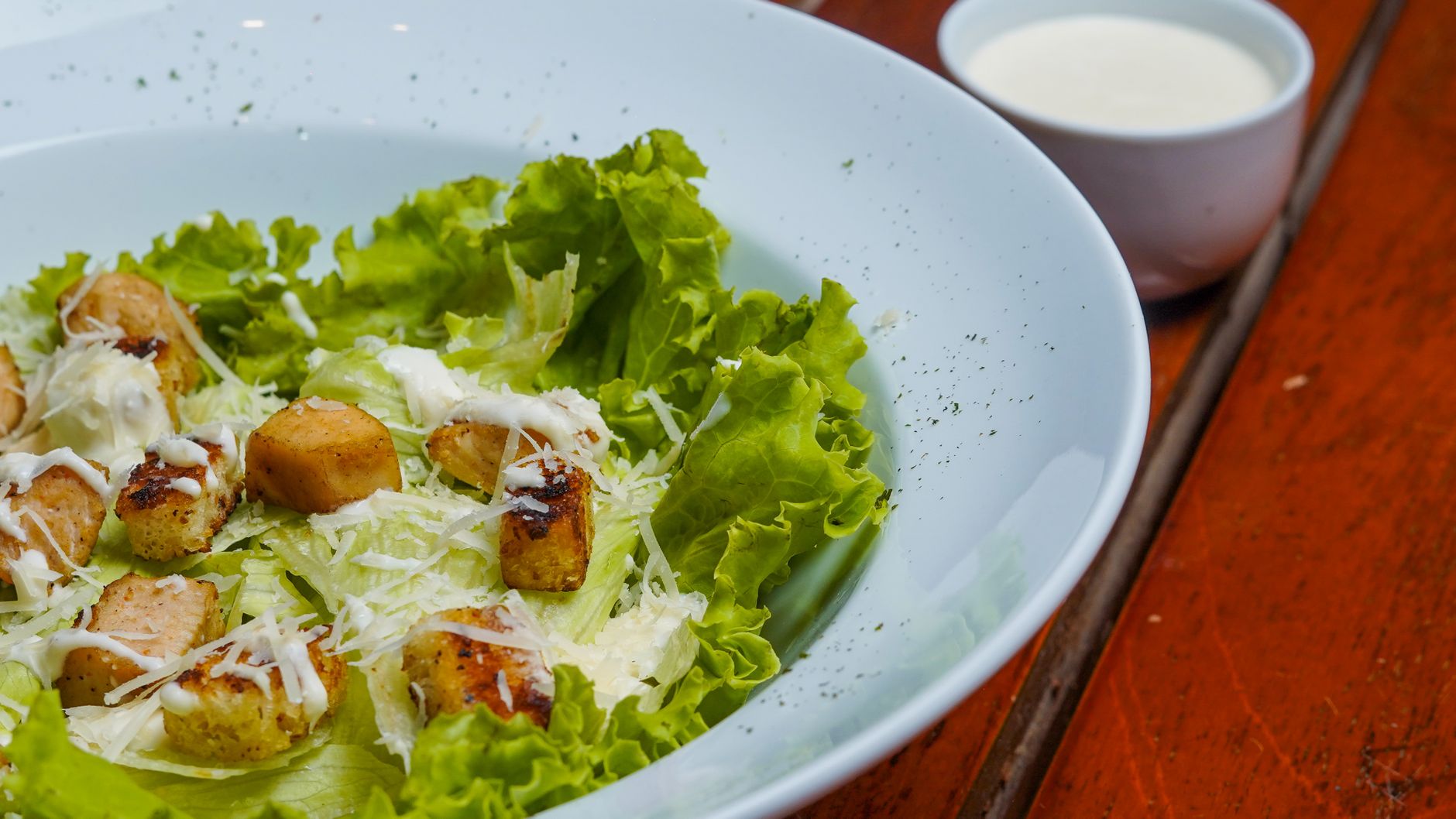
Caesar salad is a classic dish known for its creamy dressing, crisp romaine lettuce, and crunchy croutons. It often features a touch of umami from ingredients like anchovies and parmesan cheese, making it a favorite in restaurants and homes alike.
This article delves into the ingredients that define a Caesar salad, the distinct taste it offers, and various culinary uses that elevate this simple plate into a delightful experience.
What Is Caesar Salad?
Caesar salad is a green salad traditionally made from romaine lettuce and croutons, dressed with a rich sauce known as Caesar dressing. It is often garnished with parmesan cheese and can be topped with grilled chicken or seafood for added protein. The dish is praised for its balance of flavors and textures.
Ingredients of Caesar Salad
The ingredients in Caesar salad blend to create a layered flavor profile and a satisfying texture. Here are the core components:
- Romaine Lettuce: The base of the salad, offering a crunchy texture and a slight bitterness that balances the richness of the dressing.
- Croutons: These provide a crunchy element. They are usually made from toasted bread, sometimes seasoned with garlic or herbs.
- Caesar Dressing: A creamy dressing that often contains anchovies, egg yolk, olive oil, garlic, lemon juice, Dijon mustard, and parmesan cheese. It is the star of the salad.
- Parmesan Cheese: Freshly grated or shaved, parmesan adds a salty, nutty flavor that enhances the dish.
- Black Pepper: Freshly cracked pepper offers a slight heat that complements the other flavors.
Understanding Caesar Dressing
The dressing is a key component of any Caesar salad. Below is a closer look at the ingredients that stand out in traditional Caesar dressing:
- Anchovies: These small fish pack a punch of umami flavor without being overly fishy. They can be used whole, filleted, or in paste form.
- Garlic: Fresh garlic adds a pungent aroma and rich flavor, pairing well with the other dressing ingredients.
- Lemon Juice: Freshly squeezed lemon juice provides brightness and acidity, cutting through the richness of the oil and egg.
- Egg Yolk: Raw or coddled egg yolk adds creaminess to the dressing, helping to create a smooth texture. For those with dietary concerns, alternatives like mayonnaise can be used.
- Dijon Mustard: This adds depth and a hint of spice to the dressing.
- Olive Oil: A good quality extra virgin olive oil contributes heart-healthy fat and rich flavor.
Flavor Profile and Texture
Caesar salad delights with a balance of contrasting flavors and textures. The crisp and refreshing romaine lettuce contrasts beautifully with the creamy and savory dressing. Each bite offers a blend of crunch from the croutons, a umami punch from the anchovies, and the nuttiness of parmesan cheese. This combination makes Caesar salad versatile enough to complement various main dishes.
Culinary Uses of Caesar Salad
Caesar salad can serve multiple purposes in culinary contexts. Here are some common uses:
As a Starter or Side Dish
Caesar salad is an excellent choice as a first course or side dish. Its rich flavors can stimulate the appetite and pair well with grilled meats, seafood, and pasta dishes.
As a Main Course
By adding protein such as grilled chicken, shrimp, or salmon, Caesar salad transforms into a satisfying main dish. This makes it a popular option for lunch or light dinner.
As a Meal Prep Option
Caesar salad can be made ahead of time for meal prep. The components can be prepared and stored separately to maintain freshness. Keep the dressing separate to prevent the lettuce from wilting.
Variation Ideas
While the traditional Caesar salad is beloved, variations abound. Consider these options:
- Vegetarian Caesar Salad: Opt for vegan Caesar dressing using cashews or tahini for creaminess, and omit anchovies.
- Grilled Caesar Salad: Lightly char the romaine on a grill for an added smoky flavor.
- Caesar Pasta Salad: Combine cooked pasta with traditional salad ingredients for a filling meal.
- Caesar Wrap: Use the salad components to create a wrap for a portable option.
Making Caesar Salad: A Practical Guide
Creating a Caesar salad from scratch is straightforward and rewarding. Follow these steps for an easy preparation.
Essential Equipment
- Large mixing bowl
- Whisk or blender for dressing
- Knife and cutting board
- Salad tongs
- Oven for croutons (optional) or skillet if pan-toasting
Servings and Timing
This Caesar salad recipe serves four and takes approximately 20 minutes to prepare.
Ingredients List
- 1 large head of romaine lettuce, washed and chopped
- 1 cup of croutons
- 1/2 cup of Caesar dressing (see recipe below)
- 1/3 cup of grated parmesan cheese
- Freshly cracked black pepper, to taste
Caesar Dressing Recipe
To make the Caesar dressing for your salad, gather the following ingredients:
- 2 anchovy fillets (or 1 teaspoon anchovy paste)
- 1 garlic clove, minced
- 2 large egg yolks (or 2 tablespoons mayonnaise as a substitute)
- 2 tablespoons Dijon mustard
- 1 tablespoon lemon juice, freshly squeezed
- 1/2 cup extra virgin olive oil
- 1/4 cup grated parmesan cheese
- Salt and freshly cracked black pepper, to taste
Step-by-Step Instructions
- Prepare the dressing: In a small bowl, whisk together the minced anchovies, garlic, and egg yolks until smooth. Stir in the Dijon mustard and lemon juice.
- Slowly drizzle the olive oil into the mixture while whisking continuously, creating an emulsion. Add the cheese and season with salt and pepper to taste. Adjust the dressing’s consistency with a small amount of water if needed.
- In a large bowl, combine the chopped romaine lettuce and croutons. Pour the dressing over the salad and gently toss to coat everything evenly.
- Finish by garnishing with additional parmesan cheese and freshly cracked black pepper.
- Serve immediately, ensuring the salad stays crisp and fresh.
Substitutions and Variations
Not all ingredients need to be traditional in a Caesar salad. Here are some alternatives:
- Greens: Use kale or spinach instead of romaine for a different green profile.
- Croutons: Substitute with toasted nuts or seeds for a gluten-free option.
- Dressing Alternatives: Replace anchovies with miso paste for vegetarian flavor.
- Protein Options: Grilled tofu or chickpeas can add plant-based protein instead of meat.
Common Mistakes to Avoid
When making Caesar salad, avoid these common pitfalls to ensure the best results:
- Using pre-packaged dressing: Freshly made dressing enhances flavor and texture.
- Overdressing the salad: This can lead to soggy greens; start with less dressing and add more if desired.
- Not using fresh ingredients: Fresh romaine, croutons, and cheeses make a significant difference in taste.
- Neglecting balance: Ensure a good ratio of lettuce to dressing and toppings for a well-balanced salad.
Storage and Reheating
Whether you’ve made extra dressing or salad, knowing how to store it is essential:
- Dressing: Store leftover dressing in an airtight container in the refrigerator for up to four days. Stir well before using.
- Prepared Salad: Mixed salad does not store well due to wilting lettuce from the dressing. Keep lettuce, croutons, and cheese separate from the dressing to assemble fresh servings as needed.
Health Considerations
While Caesar salad can be a flavorful addition to a meal plan, it is essential to be mindful of portion sizes and ingredients. The dressing, while delicious, is rich in calories and fat due to olive oil and cheese. Consider using lighter versions or adding extra vegetables for added nutrition without significantly increasing calories.
Conclusion
Caesar salad is a versatile and flavor-packed dish that can complement many meals or stand alone as a satisfying main course. By understanding its core ingredients, flavor profile, and how to prepare it effectively, anyone can enjoy this timeless salad.
Explore our related recipes and food guides for more culinary inspiration, such as the La Scala Salad or check out our Chipotle Vinaigrette recipe for a spicy twist on your salads.