
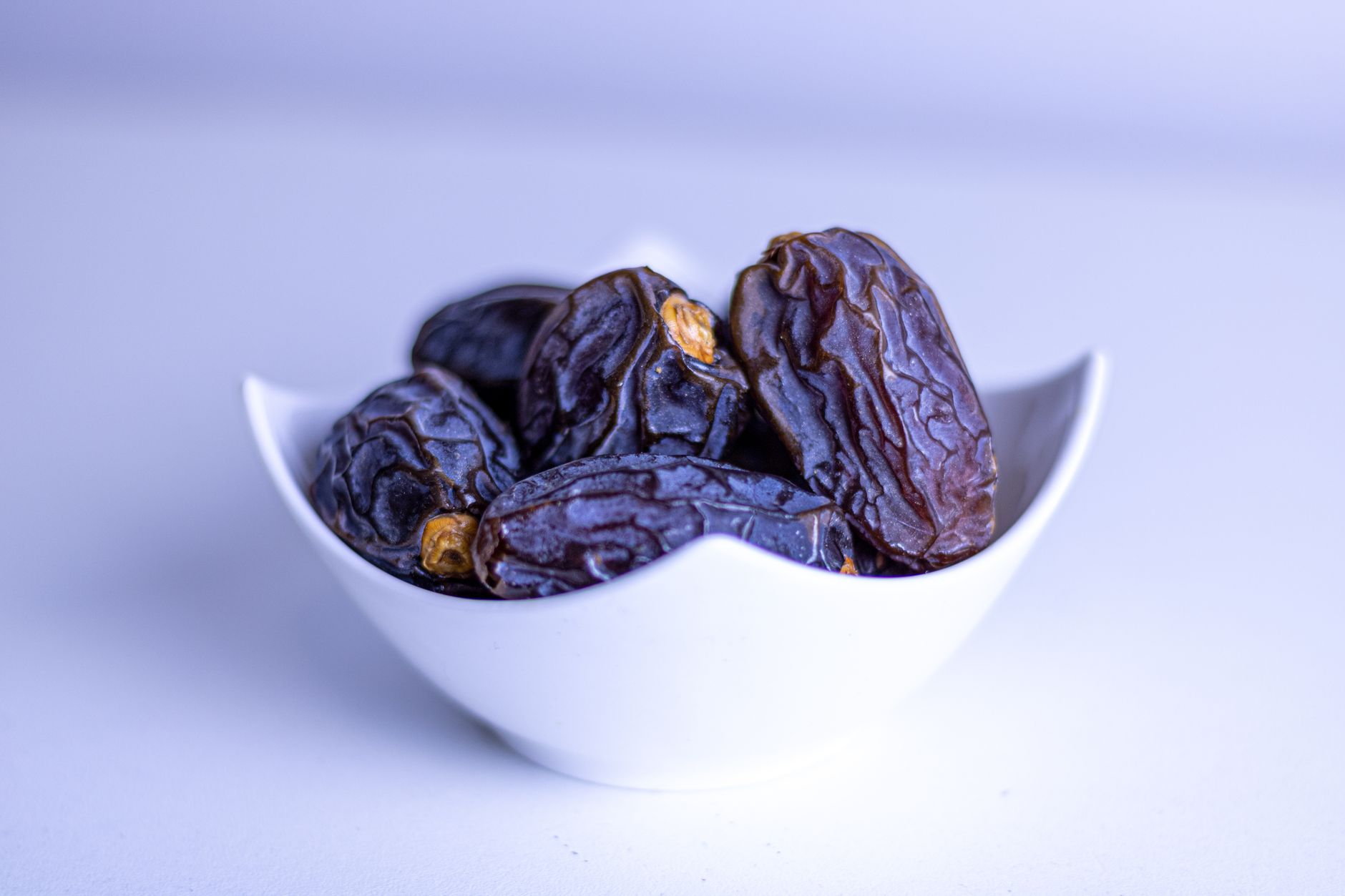
Many people enjoy dates for their rich sweetness, chewy texture, and versatility in both savory and sweet dishes. However, a common concern is whether consuming dates may lead to constipation. Understanding the role of fiber, portion sizes, and individual digestion can clarify this issue and help you make informed decisions about including dates in your diet.
In this article, we’ll explore how dates impact digestion, their nutritional profile, and practical tips on how to enjoy them without discomfort. You’ll also find recommendations on portion control, fiber intake, and cooking techniques if you’re looking to incorporate dates into your meals.
Do Dates Make You Constipated?
While dates are generally not associated with causing constipation, consuming them in excessive amounts can lead to digestive discomfort for some individuals. Rich in fiber—particularly soluble fiber—dates can help promote digestive health. However, balance and moderation are key to preventing any potential issues.
The Nutritional Profile of Dates
To understand how dates influence digestion, it is essential to analyze their nutritional content. Here is a breakdown of what dates offer:
- Calories: Dates are energy-dense, with approximately 277 calories per 100 grams.
- Carbohydrates: They contain about 75 grams of carbohydrates, mainly from natural sugars.
- Fiber: Dates provide around 7 grams of fiber per 100 grams, which greatly supports digestive health.
- Vitamins and Minerals: Dates are a source of essential nutrients, including potassium, magnesium, vitamin B6, iron, and antioxidants.
The Role of Fiber in Digestion
Fiber is a crucial part of a healthy diet and plays a significant role in digestive health. It adds bulk to the stool, promotes regular bowel movements, and prevents constipation. The fiber in dates is primarily soluble, meaning it dissolves in water and can help slow down digestion while absorbing excess moisture. Here’s a detailed look at fiber types:
- Soluble Fiber: This type can help regulate blood sugar levels and reduce cholesterol. It can also provide a gel-like consistency in the digestive tract, helping to soften stool.
- Insoluble Fiber: This type adds bulk and aids in moving food through the digestive system. Dates contain less insoluble fiber but still contribute to overall fiber intake.
Understanding Constipation
Constipation is typically defined as having fewer than three bowel movements a week, along with difficulty passing stools. There can be multiple causes for constipation, including:
- Low Fiber Intake: Inadequate fiber can lead to hard stools and difficulty passing them.
- Dehydration: Lack of sufficient fluid intake can cause the body to absorb water from the stool, making it hard and difficult to pass.
- Changes in Routine: Travel, stress, and changes in physical activity levels can impact digestion.
- Dietary Choices: A diet high in processed foods and low in whole foods can lead to constipation.
Portion Control: The Key to Enjoying Dates
While dates can contribute positively to digestive health, excessive consumption might lead to discomfort. Here are some guidelines for portion control when incorporating dates into your diet:
- Moderation is essential—consider limiting your intake to 2-4 dates per day, especially if you’re not used to a high-fiber diet.
- Balance your meals with other fiber-rich foods such as fruits, vegetables, whole grains, and legumes.
Can Dates Cause Digestive Discomfort?
Yes, for some individuals, the high natural sugar content and fiber in dates can cause digestive upset if consumed in excess. Possible symptoms include bloating, gas, and diarrhea. Here are a few factors to consider:
- If you’re not accustomed to eating high-fiber foods, sudden intake may overwhelm your digestive system.
- Individual tolerances vary; some people may experience discomfort with dates while others do not.
Making Dates Work for You
To enjoy the health benefits of dates without experiencing constipation or other digestive woes, follow these practical tips:
1. Gradual Introduction
If you’re new to consuming dates, introduce them gradually into your diet. Start with one date a day and then increase your intake slowly, monitoring how your body reacts.
2. Pair with Other Foods
Combining dates with other high-fiber foods can enhance digestion. For example, add chopped dates to smoothies, oatmeal, or salads. This not only makes for a balanced meal but also helps in digestion.
3. Stay Hydrated
Drinking enough water is vital for maintaining digestive health, especially when consuming fiber-rich foods like dates. Aim for at least eight 8-ounce glasses of water daily.
4. Cooking with Dates
Cooking or blending dates can alter their fiber profile and how they affect your digestion. Here are some ways to use them without risking discomfort:
- Date Syrup: A great natural sweetener for drinks and desserts. You can easily make date syrup at home.
- Baking: Incorporate dates into baked goods such as muffins or energy bars. They can replace refined sugars.
Cooking with Dates: Recipes and Ideas
Here are some enjoyable and nutritious ways to incorporate dates into your meals:
Dates as Natural Sweeteners
Consider using pureed dates as a sugar substitute in recipes. This is especially effective in baked goods, energy balls, or smoothies.
Healthy Snacks
Mix dates with nuts and seeds for an energizing snack. This combination provides protein and healthy fats, balancing out the natural sugars in dates.
In Salads and Bowls
Add chopped dates to salads or grain bowls for a hint of sweetness. This contrast pairs well with savory elements like goat cheese or balsamic vinaigrette.
Sweet Treats
Consider using dates in no-bake desserts or energy balls. Combine nuts, oats, and dates in a food processor, and roll them into bite-sized treats.
Common Mistakes to Avoid
As you incorporate dates into your diet, here are some common pitfalls to watch out for:
- Overeating: Consuming too many dates at once can lead to digestive issues. Stick to the moderation guidelines mentioned earlier.
- Neglecting Hydration: Failing to drink enough water can exacerbate any potential fiber-related discomfort.
- Ignoring Body Signals: If you notice any digestive upset after eating dates, consider reducing your intake or consulting a healthcare professional.
Storage Tips for Dates
To maintain the quality of dates and extend their shelf life, consider the following storage tips:
- Room Temperature: Store dates in an airtight container in a cool, dry place for up to a month.
- Refrigeration: For long-term storage, keep dates in the refrigerator, where they can last up to six months.
- Freezing: Dates can be frozen for up to a year. Ensure they are in a sealed container to prevent freezer burn.
What to Remember About Dates and Constipation
Overall, dates are not likely to cause constipation when consumed in moderation. Their high fiber content can aid in digestion and promote healthy bowel movements. Listen to your body and adjust your intake as needed, incorporating them into a balanced diet with adequate hydration.
For anyone considering adding dates to their meal prep or recipes, remember they can provide natural sweetness and nutrition to a variety of dishes. Stay mindful of portions, and enjoy experimenting with this delicious fruit!
To further explore the versatility of dates, check out our date syrup recipe for a natural sweetener option or indulge in our date cake recipe for a delightful dessert. Happy cooking!