
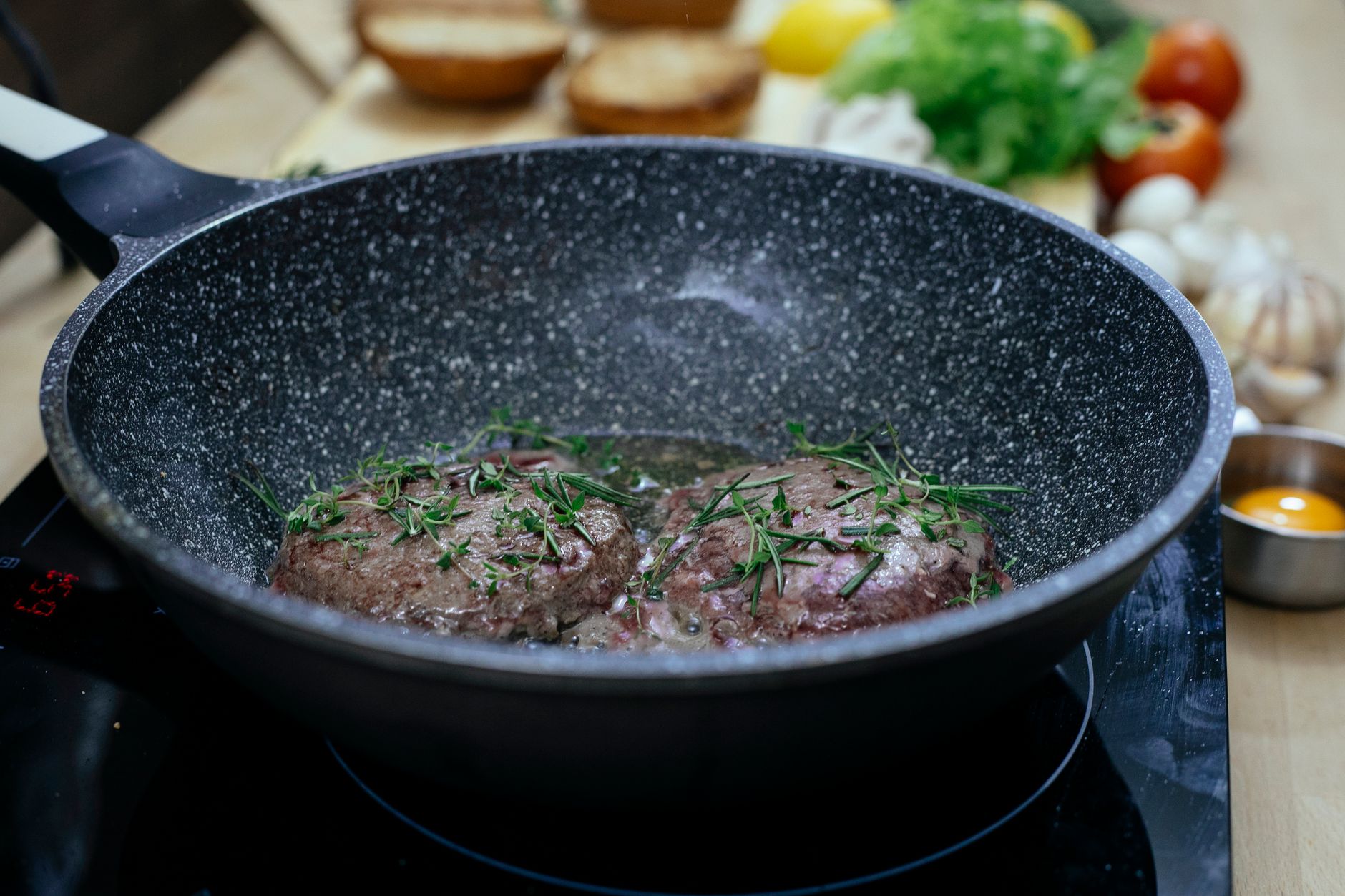
Cooking the perfect burger on the stove is an art that requires attention to temperature, technique, and timing. Understanding what temperature to cook burgers on the stove is crucial for achieving the desired level of doneness, whether you like them rare, medium, or well-done.
Burgers are versatile and can be tailored to your taste preferences, making them a popular choice for family meals and gatherings. This guide will cover the ideal cooking temperatures, methods, and tips for mastering burgers right on your stovetop.
What Temp to Cook Burgers on Stove?
The optimal cooking temperature for burgers on the stove is typically between 350°F to 400°F (175°C to 200°C) for medium heat. This range allows the meat to cook evenly without burning the exterior. Using a food thermometer, you can ensure your burgers reach the proper internal temperature based on your preferred doneness.
Burger Doneness Levels and Internal Temperatures
Here’s a breakdown of the internal temperature ranges for various levels of burger doneness:
- Rare: 120°F to 125°F (49°C to 52°C)
- Medium Rare: 130°F to 135°F (54°C to 57°C)
- Medium: 140°F to 145°F (60°C to 63°C)
- Medium Well: 150°F to 155°F (65°C to 68°C)
- Well Done: 160°F and above (71°C and above)
To ensure food safety, ground beef should reach an internal temperature of at least 160°F (71°C) to reduce the risk of foodborne illness.
Essential Cooking Equipment
To cook burgers on the stove, you will need the following equipment:
- Heavy skillet or cast-iron pan for even heat distribution
- Spatula to flip the burgers
- Food thermometer to check internal temperature
- Cooking oil (optional) to prevent sticking
Choosing the Right Ground Beef
The choice of ground beef affects the flavor and juiciness of your burgers. Here’s what to consider:
- Fat content: Ground beef with a fat content of 80/20 (80% lean meat and 20% fat) strikes a balance between flavor and juiciness. Excessively lean meat can yield dry burgers.
- Freshness: Choose fresh ground beef that is bright red in color and free from any off odor. Check the sell-by date to ensure it is still good.
Cooking Method: Step-by-Step
Here’s a detailed method for cooking burgers on the stove:
- Form the Patties: Take your ground beef and form it into patties. Aim for about 6 ounces of beef per patty. Make a slight indentation in the center of each patty with your thumb to ensure even cooking.
- Season: Season both sides of the patties with salt and pepper before cooking. Feel free to add additional seasonings like garlic powder or onion powder for extra flavor.
- Heat the Pan: Place your skillet or cast-iron pan on the stove over medium to medium-high heat, preheating it for about 3-5 minutes. You can add a small amount of oil if your pan is not non-stick.
- Add Patties: Once the pan is hot, carefully place the patties in the pan, ensuring not to overcrowd them. Cook in batches if necessary.
- Cook the First Side: Allow the patties to cook undisturbed for about 3-5 minutes. This will help form a nice crust. Avoid pressing down on the patties during this time, as this releases the juices.
- Flip the Patties: Using a spatula, carefully flip the patties to the other side. Cook for an additional 3-5 minutes for medium doneness. Use a food thermometer to check for the desired internal temperature.
- Add Cheese (Optional): If you prefer cheeseburgers, add a slice of cheese on top of the patty in the last minute of cooking. Cover the skillet with a lid to help melt the cheese.
- Rest Before Serving: Once the burgers reach the desired doneness, remove them from the pan and let them rest for a few minutes. This helps redistribute the juices within the patty.
Common Mistakes to Avoid When Cooking Burgers
While cooking burgers may seem simple, there are several common mistakes that can lead to less-than-perfect results:
- Overworking the Meat: Avoid overmixing the ground beef when forming patties, as this can lead to tough burgers.
- Not Preheating the Pan: Skipping the preheating step can result in unevenly cooked burgers. A hot pan ensures a good sear and crust.
- Flipping Too Soon: Allow the first side to cook undisturbed. Flipping too soon can prevent the formation of a proper crust.
- Pressing Down on Patties: This releases juices, leading to dry burgers. Avoid this common practice.
- Neglecting to Use a Thermometer: Trusting your instincts over a thermometer can lead to overcooking. Invest in a reliable food thermometer.
Serving Suggestions and Toppings
Once your burgers are cooked to perfection, it’s time to dress them up! Here are some classic and fun serving suggestions:
- Bun Options: Use traditional burger buns, pretzel buns, whole wheat, or lettuce wraps for a low-carb option.
- Classic Toppings: Lettuce, tomato, pickles, ketchup, mustard, and mayonnaise are always crowd-pleasers.
- Gourmet Toppings: Consider avocado, jalapeños, sautéed onions, grilled mushrooms, or various cheeses like blue cheese or pepper jack.
- Flavorful Sauces: Experiment with barbecue sauce, garlic aioli, or spicy sriracha mayo for an extra kick.
Storage and Reheating Guidance
If you have leftover cooked burgers, store them properly to maintain quality:
- Storage: Let the burgers cool to room temperature, then place them in an airtight container. They can be stored in the refrigerator for up to 3-4 days.
- Reheating: To reheat, place the burgers back in a skillet over medium heat until warmed through, or use a microwave. Ensure they reach an internal temperature of at least 165°F (74°C) before serving.
Variations and Substitutions
For those looking to switch things up, here are some variations and ingredient substitutions to consider:
- Ground Meat Alternatives: Try using ground turkey, chicken, or plant-based meat substitutes for a different flavor and texture.
- Seasoning Alternatives: Incorporate fresh herbs or spices into the meat mixture for unique flavor. Common options include parsley, cilantro, or smoked paprika.
- Cheese Variations: Experiment with international cheeses like feta, halloumi, or Gruyere for distinctive taste profiles.
- Bun Alternatives: Gluten-free buns are available, or you can use crispy rice cakes or portobello mushrooms as a bun alternative.
Conclusion
A well-cooked burger on the stove can be a satisfying and delicious addition to any meal. Understanding the right cooking temperatures, techniques, and variations will ensure a juicy and flavorful burger every time. Don’t hesitate to experiment with flavors to make it your own!
For other delicious meal ideas, check out our recipes for Hamburger Steak and the Crack Burger.