
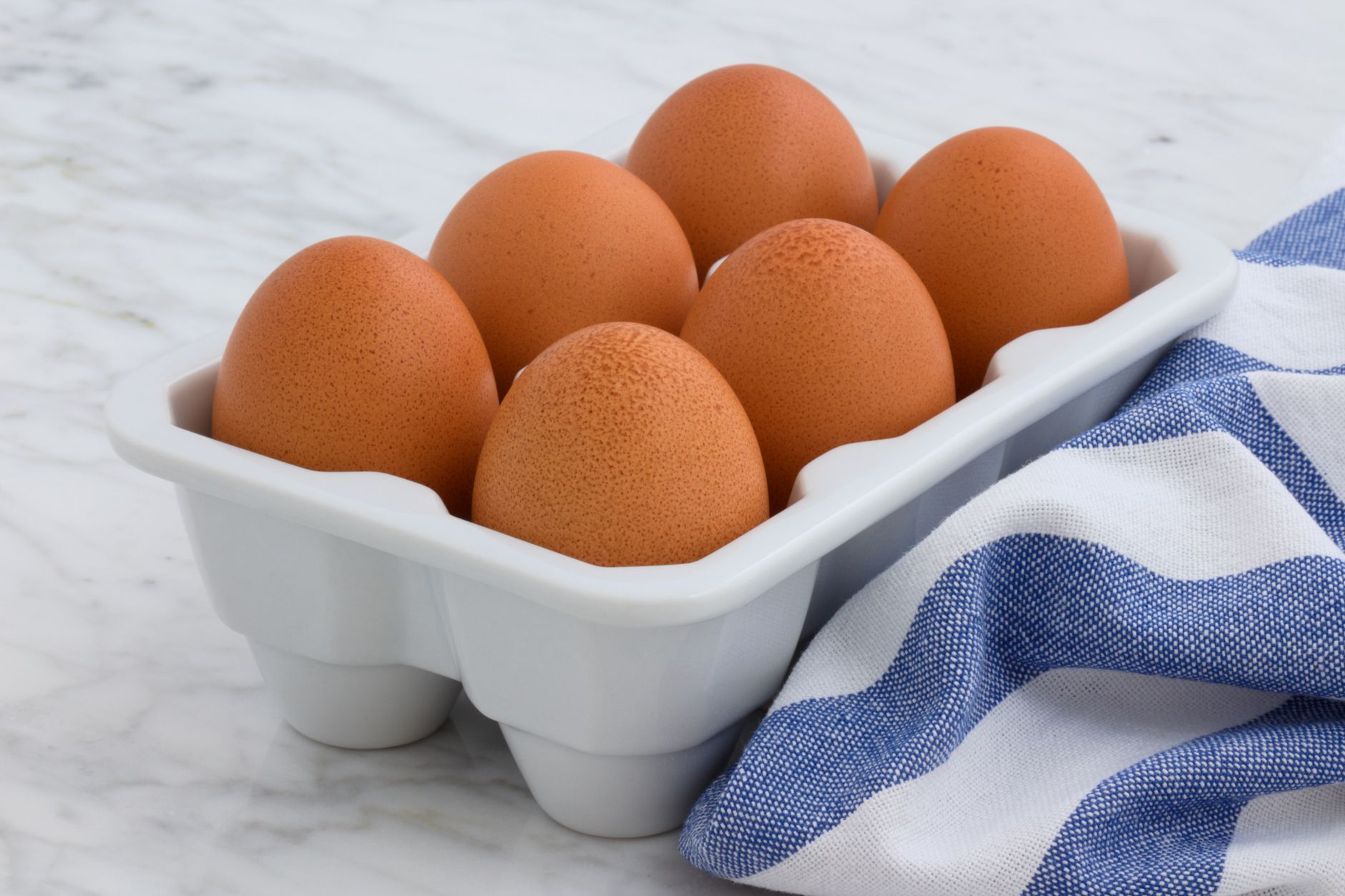
Eggs are a staple ingredient in many kitchens, appreciated for their versatility and nutritional benefits. But when it comes to tracking your calorie intake, knowing how many calories are in specific quantities of eggs is crucial. In this article, we will explore the calorie content in six eggs and provide additional insights into their nutritional value, cooking methods, and how they can fit into your meal planning.
This guide will help you understand the calorie breakdown, explore variations in egg types, and learn ways to incorporate them into your diet without exceeding your calorie goals.
How Many Calories in Six Eggs?
Six large eggs contain approximately 432 calories. Each egg typically has about 72 calories, which can vary slightly depending on the size and type of egg. This count provides a solid foundation for meal planning and understanding your dietary needs.
The Nutritional Profile of Eggs
Beyond their calorie count, eggs are nutrient-dense. They contain high-quality protein and essential vitamins and minerals, making them a valuable addition to most diets. Here’s a breakdown of the nutritional content typically found in one large egg:
- Calories: ~72
- Protein: ~6 grams
- Total Fat: ~5 grams
- Saturated Fat: ~1.5 grams
- Monounsaturated Fat: ~2 grams
- Polyunsaturated Fat: ~0.5 grams
- Cholesterol: ~186 mg
- Carbohydrates: ~0.6 grams
- Fiber: ~0 grams
- Vitamins and Minerals: B vitamins (B2, B12, B6), vitamin A, selenium, and phosphorus
Types of Eggs and Their Caloric Differences
While we have structured our estimate around standard large white eggs, it’s essential to note that different types can have variations in calorie content. Here’s a brief summary of common egg types:
- **Large Eggs**: Approximately 72 calories each.
- **Extra-Large Eggs**: Approximately 80 calories each.
- **Medium Eggs**: Approximately 63 calories each.
- **Duck Eggs**: Approximately 130 calories each due to their larger size.
- **Quail Eggs**: About 14 calories per egg, and it typically takes 4 to equal one large egg.
Cooking Methods and Their Impact on Calories
The way you prepare eggs can also influence their overall calorie count. Here’s how various cooking methods stack up and their relation to calorie changes:
Boiled or Poached Eggs
When boiled or poached, eggs maintain their low-calorie count since no additional fats are used in cooking. Six boiled eggs remain approximately 432 calories.
Scrambled Eggs
Scrambling eggs with butter or oil can increase the calorie content. Using one tablespoon of butter adds about 102 calories. Thus, six scrambled eggs prepared with butter can total around 534 calories.
Fried Eggs
Frying eggs in oil or butter can significantly affect the calorie count. A fried egg typically adds about 50-100 calories, depending on the amount and type of fat used. Six fried eggs can range from 482 to 582 calories.
Omelets
Omelettes often include additional ingredients like cheese or vegetables. Depending on the fillings, the total calorie count can vary greatly. An omelet with cheese can have about 100-200 additional calories, bringing the total to approximately 532 to 632 calories for six eggs.
Incorporating Eggs into Your Meal Plan
Due to their high protein content and versatility, eggs can play a crucial role in meal planning. Here are a few ideas on how to integrate six eggs into a weekly meal plan:
- **Breakfast Options**: Pair boiled eggs with oatmeal or fruit for a balanced breakfast.
- **Lunch Ideas**: Create a hearty salad topped with sliced hard-boiled eggs, veggies, and a light dressing.
- **Dinner Uses**: Incorporate eggs into a stir-fry, or make a vegetable omelet as a quick dinner option.
- **Snacks**: Hard-boiled eggs are great snacks that provide protein to keep you full between meals.
Cooking Tips for Eggs
Here are some practical tips for cooking eggs, ensuring they are flavorful and safe:
- Always check the freshness of your eggs by placing them in water: fresh eggs sink, while older ones float.
- Practice safe cooking temperatures. Eggs should be cooked until the whites are firm and the yolk is slightly runny or firm based on preference.
- Stir scrambled eggs gently to achieve a fluffy texture. Avoid vigorous mixing, which can break down the proteins too much.
- For boiling, add a splash of vinegar to the water to help keep the egg whites from leaking out if they crack.
Common Mistakes to Avoid When Cooking Eggs
While cooking eggs may seem straightforward, a few common pitfalls can lead to less-than-desirable outcomes:
- Not using fresh eggs: This can affect texture and flavor.
- Overcooking: Eggs can become rubbery. Monitor cooking times closely.
- Not seasoning: Eggs benefit from salt, pepper, and spices differently based on the method of preparation. Don’t skip seasoning!
Storage and Reheating Tips for Eggs
The way you store and reheat eggs is vital for safety and quality:
- **Storage**: Keep raw eggs in the refrigerator. Cooked eggs can be stored in an airtight container for about three to four days.
- **Reheating**: For scrambled eggs or omelets, reheat gently in a microwave at medium power, ensuring they’re warm throughout but not overcooked.
- **Safety Tip**: Never reheat hard-boiled eggs in their shells in a microwave, as steam can build up and cause them to explode.
Variations and Health Considerations
If you’re looking to enjoy eggs while considering dietary preferences or restrictions, here are a few options:
- **Avocado Oil or Coconut Oil**: For frying, consider using heart-friendly oils that add flavor without saturated fat.
- **Veggies and Herbs**: Boost nutrition by adding fresh veggies or herbs to omelets or scrambles.
- **Egg Substitutes**: If you need a cholesterol-free option, consider using egg substitutes made from egg whites or plant-based alternatives.
Understanding the Role of Eggs in Diets
Eggs can be part of almost any diet. Their high protein content is beneficial for muscle repair and satiety, making them particularly great for weight management or athletic diets. However, those with specific dietary needs should consult with healthcare or dietary professionals regarding cholesterol intake and egg consumption.
Conclusion
Understanding how many calories are in eggs helps when planning meals and maintaining a balanced diet. Six eggs provide about 432 calories and a wealth of nutrients. Whether you choose to boil, scramble, or fry them, eggs remain a versatile ingredient that can easily adapt to various cooking styles and dietary needs.
Explore more about calorie content in eggs and related dishes by checking out our guides on the calories in scrambled eggs and the carbohydrate content in eggs.