
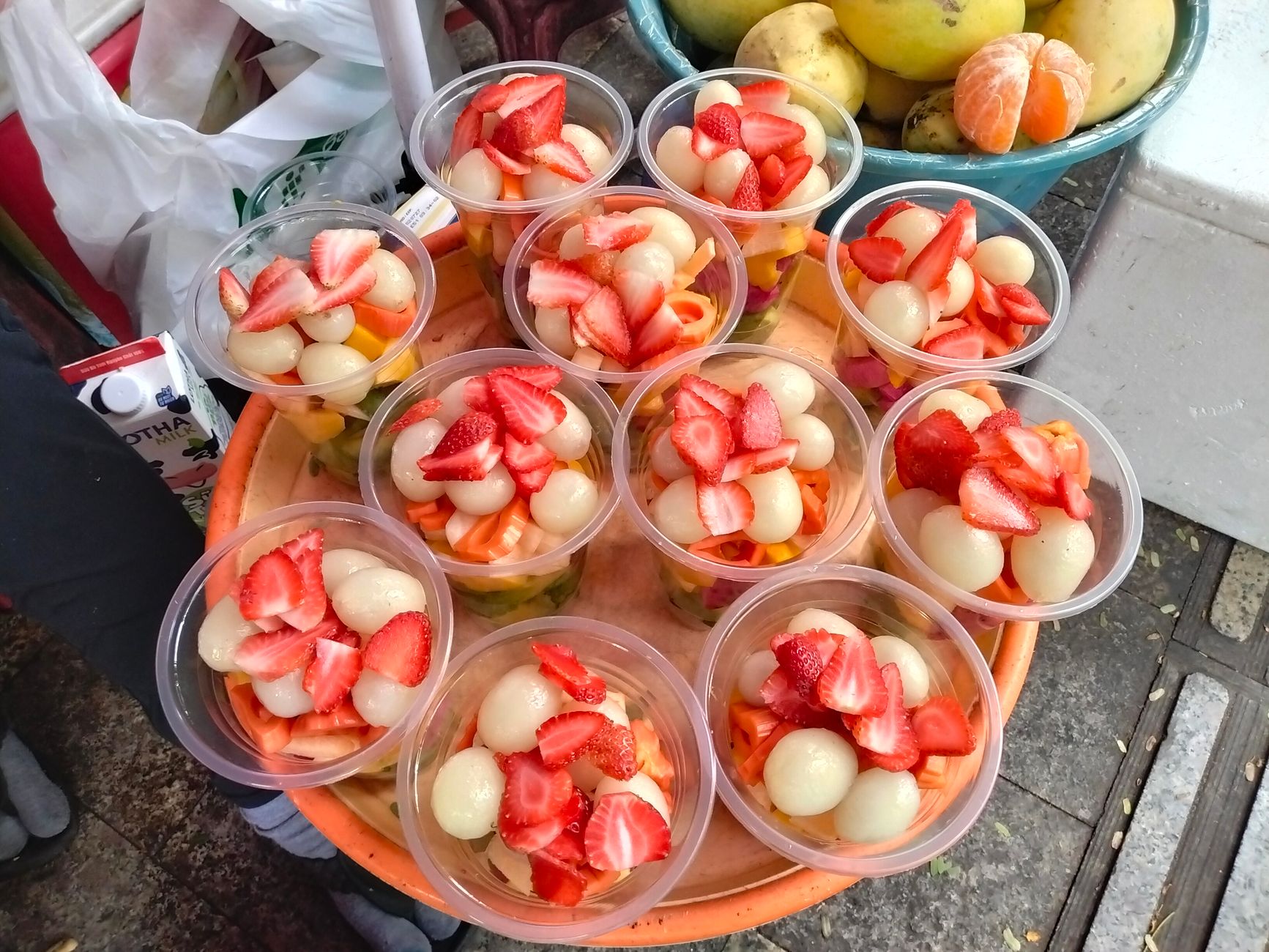
Lychee jelly is a delightful dessert that encapsulates the sweet and floral notes of the lychee fruit in a gelatinous form. This Asian-inspired treat is gaining popularity beyond its traditional roots, offering a refreshing dessert that is both light and satisfying.
In this article, we will explore the ingredients, unique taste profile, and various culinary uses of lychee jelly, helping you to understand this intriguing sweet dish better.
What Is Lychee Jelly?
Lychee jelly is a gelatin-based dessert made primarily from lychee puree and gelatin. It presents a translucent, wobbly texture and is often served chilled, making it a perfect treat for warm weather. The jelly is typically flavored with additional ingredients like sugar and lime juice to enhance its natural sweetness.
As a versatile ingredient, lychee jelly can be enjoyed in various forms—served on its own, as part of fruit salads, or even layered in desserts. It contributes a fascinating appearance and tropical flavor to any dish.
Ingredients for Lychee Jelly
Making lychee jelly involves just a few key ingredients. Here’s what you’ll need:
- Fresh lychees or canned lychees: 400 grams (about 14 oz), peeled and pitted
- Water: 250 ml (1 cup)
- Sugar: 70 grams (1/3 cup), adjust to taste
- Gelatin powder or agar-agar: 10 grams (2 teaspoons)
- Lime juice: 2 tablespoons (optional, for added flavor)
Ingredient Notes
Fresh lychees will give the jelly a vibrant flavor, while canned lychees can be a convenient alternative. Sugar can be altered according to preference, ensuring the final dessert is suited to your taste. Gelatin is essential for the jelly-like texture, but agar-agar can be used as a vegetarian alternative, yielding a similar product.
How to Make Lychee Jelly
Creating lychee jelly is straightforward and takes only about an hour, plus chilling time. Below is a complete step-by-step guide for making lychee jelly:
Yield
This recipe makes approximately 4 servings.
Preparation Time
10 minutes
Cooking Time
15 minutes
Total Time
1 hour (includes chilling)
Essential Equipment
- Blender or food processor
- Medium saucepan
- Mixing bowl
- Measuring cups and spoons
- Whisk or spoon
- Jelly molds or serving cups
Method
- Prepare the Lychee: If using fresh lychees, peel and pit them. If using canned lychees, drain the syrup and rinse the fruit.
- Blend the Lychees: Place the lychees in a blender and blend until smooth. You should have around 300 ml of lychee puree.
- Combine Water and Sugar: In a medium saucepan, combine the water and sugar. Heat over low to medium heat, stirring until the sugar is completely dissolved.
- Dissolve the Gelatin: Sprinkle the gelatin over the warm water and sugar mixture. Stir gently until dissolved. If using agar-agar, bring the mixture to a boil lightly for about 2 minutes.
- Add Lychee Puree: Remove the saucepan from heat and stir in the lychee puree and lime juice if using. Ensure it’s well combined.
- Pour into Molds: Pour the mixture into jelly molds or serving cups, filling them to your desired height.
- Chill the Jelly: Allow the mixture to cool at room temperature for about 10 minutes, then refrigerate for at least 1 hour, or until set.
- Unmold and Serve: Once set, run a knife around the edge of the mold to release the jelly, or dip the molds briefly in warm water for easier release. Serve chilled.
Flavor and Texture Profile
The primary flavor of lychee jelly comes from the distinctive taste of the lychee fruit, characterized by its sweet, floral notes reminiscent of roses. The jelly itself is lightly sweet, with a subtle tang if lime juice is included. The texture can be described as smooth and gelatinous, providing a delightful mouthfeel that complements the tropical flavors.
The combination of sweetness and floral notes makes it an excellent dessert on its own but also pairs wonderfully with other fruits or creamy components like coconut milk.
Culinary Uses of Lychee Jelly
Lychee jelly is incredibly versatile in its uses, fitting seamlessly into various culinary applications. Here are some popular ways to enjoy it:
As a Standalone Dessert
Lychee jelly can be served as a standalone dessert on a hot day. The cooling effect, complemented by its light sweetness, helps to refresh the palate. Garnishing with fresh fruit or mint leaves can elevate its presentation.
In Fruit Salads
Add diced lychee jelly to fresh fruit salads for a unique twist. It pairs excellently with tropical fruits like pineapple, mango, and papaya, creating a vibrant dessert platter.
Layered Desserts
Incorporate lychee jelly into layered desserts. For example, alternate layers of lychee jelly, whipped cream, and sponge cake to create a visually appealing treat that showcases its translucent appearance.
Jelly Drinks
For a refreshing drink, cut the jelly into cubes and add them to beverages such as lemonade, iced tea, or coconut water. The jelly cubes provide a delightful textural contrast to the drink.
Asian Desserts
Lychee jelly can be integrated into traditional Asian desserts. Consider serving it alongside mango sago or utilize it within a chilled dessert soup for a more intricate dessert experience.
Lychee Jelly Martini
Incorporating lychee jelly into cocktails, such as a lychee martini, adds a playful texture and flavor. Benj the jelly cubes to an alcoholic or non-alcoholic version of the cocktail for enhanced enjoyment.
Substitution Options
While the traditional recipe calls for specific ingredients, there are several substitutions you can consider:
- Lychee: If you cannot find fresh lychees, you can opt for canned lychees packed in syrup or a lychee-flavored drink concentrate.
- Sugar: Honey or agave syrup can replace the sugar for a different flavor profile while keeping the dessert sweet.
- Gelatin: Use agar-agar as a vegetarian option. Be sure to follow the package directions, as it may require different handling than gelatin.
Common Mistakes and Troubleshooting
While making lychee jelly is relatively straightforward, there are certain pitfalls to avoid:
- Gelatin Not Dissolving: Ensure that the gelatin is mixed into the warm water and sugar mixture thoroughly without any lumps. This ensures an even texture.
- Overcooking the Gelatin: If making with gelatin, make sure not to boil the mixture after adding it, as this can weaken gel formation. Agar-agar should be brought to a boil but then simmered lightly.
- Unsetting Jelly: If the jelly isn’t setting, it might be due to insufficient gelatin or improper heating. Reheating and adding more gelatin can solve this problem.
Storage and Serving Tips
Lychee jelly can be stored in the refrigerator for up to 4 days when kept in an airtight container. Ensure that the jelly is fully set and chilled before transferring it to storage. If it’s cut into pieces, place a layer of plastic wrap over it to prevent the formation of a tough skin.
When serving, consider pairing lychee jelly with a scoop of ice cream or a drizzle of coconut cream for contrast in flavor and texture.
Conclusion
Lychee jelly is a delightful treat that brings a taste of tropical paradise to your kitchen. Its unique flavor, versatility in culinary uses, and ease of preparation make it a fantastic addition to any dessert repertoire.
To explore more tropical flavors, check out the mango sago recipe for a complimentary dessert or learn how to craft a refreshing lychee martini to pair alongside your jelly treat!