
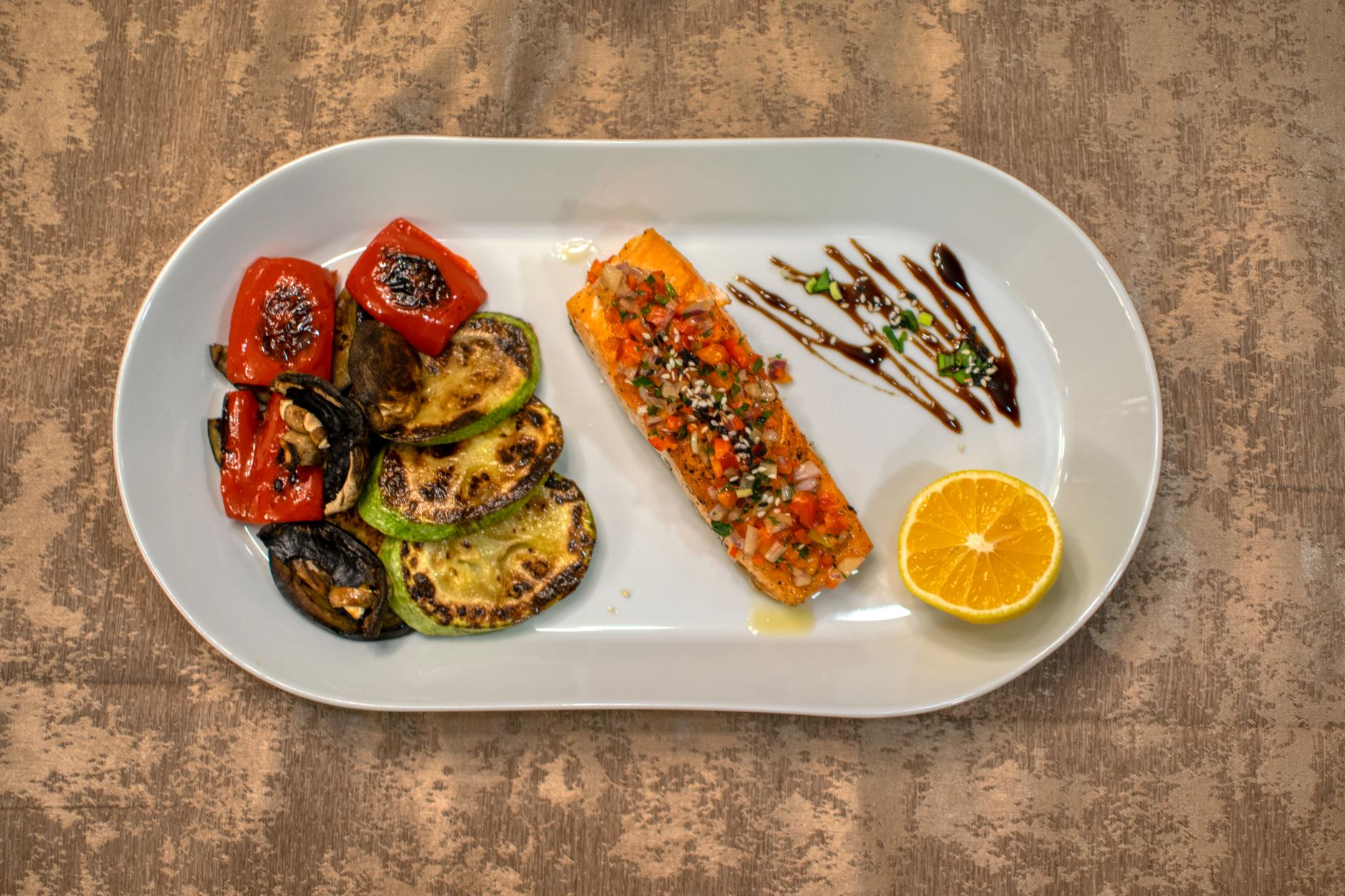
What defines a healthy dinner can vary depending on individual preferences, dietary needs, and cultural contexts. However, a balanced healthy dinner typically includes a variety of food groups, providing essential nutrients while minimizing the intake of added sugars, unhealthy fats, and sodium.
This guide explores essential components, practical considerations, and ideas for crafting a healthy dinner that satisfies both the palate and the nutritional requirements.
What Is a Healthy Dinner?
A healthy dinner is a meal that incorporates a balance of macronutrients—proteins, carbohydrates, and fats—along with vitamins and minerals. It should be colorful, flavorful, and provide lasting energy while supporting overall health.
The Components of a Healthy Dinner
Your healthy dinner plate should ideally comprise four essential components:
- Lean Protein: Essential for muscle repair and growth, options include chicken, turkey, fish, tofu, beans, and legumes.
- Whole Grains: These provide fiber and essential nutrients; examples are brown rice, quinoa, whole wheat pasta, and farro.
- Healthy Fats: Include sources like avocados, nuts, seeds, and olive oil, which support heart health and provide flavor.
- Vegetables: A variety of colors in vegetables indicates a range of vitamins and minerals. Aim for dark leafy greens, bell peppers, carrots, and other vibrant options.
The Importance of Portion Control
Even healthy foods can contribute to weight gain if consumed in excess. Understanding proper portion sizes is crucial:
- Protein: A serving should be about the size of your palm.
- Grains: Aim for half a cup, or about the size of a cupped hand.
- Fats: Use a thumb-sized portion or one to two tablespoons.
- Vegetables: Fill half your plate with various vegetables.
Meal Planning for a Healthy Dinner
Effective meal planning simplifies the process of preparing healthy dinners throughout the week. Here are considerations:
Step 1: Choose Your Recipes
When determining what to cook, opt for recipes that incorporate all the aforementioned components. Look for meals that excite you, ensuring that cooking remains enjoyable.
Step 2: Create a Shopping List
Compile a shopping list based on your chosen recipes. Ensure you stock up on proteins, whole grains, healthy fats, and an array of vegetables.
Step 3: Batch Cooking
Consider cooking larger portions. Dishes like chili, stir-fries, or casseroles can be made in advance and stored for quick meals during the week. This will save time and encourage healthy eating habits.
Step 4: Prep Ingredients Ahead of Time
Washing, chopping, and marinating ingredients ahead of time can significantly cut down your cooking time during the week.
Healthy Cooking Techniques
The method you choose to prepare your dinner can greatly affect its healthiness:
Grilling
Grilling meats, vegetables, and fish enhances flavor without adding unhealthy fats. It also allows natural juices to remain, resulting in moist dishes.
Baking
Baking is a healthy alternative to frying. It often requires less oil and can create delightful textures—such as crispiness in baked vegetables.
Sautéing and Stir-Frying
Using a small amount of healthy oil, sautéing or stir-frying allows you to cook quickly, preserving nutrients while adding flavor through spices and herbs.
Steaming
This is an excellent cooking method for preserving the nutrients in vegetables. Using a steamer or a simple pot with a lid, you can cook vegetables in minutes while keeping vibrant colors and textures.
Recipe Ideas for a Healthy Dinner
To inspire you, here are a few practical healthy dinner ideas that integrate all aspects mentioned so far:
Grilled Lemon Herb Chicken with Quinoa Salad
This dish packs a punch in flavor and nutrition:
- Servings: 4
- Preparation Time: 15 minutes
- Cooking Time: 25 minutes
- Total Time: 40 minutes
Ingredients:
- 4 boneless, skinless chicken breasts
- 2 tablespoons olive oil
- Juice of 1 lemon
- 2 teaspoons dried oregano
- 1 teaspoon garlic powder
- Salt and pepper to taste
- 1 cup quinoa
- 2 cups water or vegetable broth
- 1 cucumber, diced
- 1 bell pepper, diced
- 1 cup cherry tomatoes, halved
- ¼ cup fresh parsley, chopped
Method:
- In a bowl, combine olive oil, lemon juice, oregano, garlic powder, salt, and pepper.
- Marinate the chicken breasts in the mixture for at least 30 minutes.
- Rinse quinoa under cold water. In a pot, combine quinoa and water or broth. Bring to a boil, reduce to a simmer, cover, and cook for 15 minutes.
- While quinoa cooks, preheat a grill or grill pan over medium heat. Grill the marinated chicken for 6-7 minutes on each side or until cooked through.
- Once quinoa is done, fluff it with a fork and mix in cucumber, bell pepper, cherry tomatoes, and parsley.
- Serve the grilled chicken over the quinoa salad.
Vegetable Stir-Fry with Tofu and Brown Rice
A colorful option providing ample nutrients:
- Servings: 4
- Preparation Time: 10 minutes
- Cooking Time: 15 minutes
- Total Time: 25 minutes
Ingredients:
- 1 block firm tofu, drained and cubed
- 2 tablespoons soy sauce
- 1 tablespoon cornstarch
- 2 tablespoons sesame oil
- 2 cups mixed vegetables (such as bell peppers, broccoli, and snap peas)
- 2 cloves garlic, minced
- 1 inch ginger, grated
- 3 cups cooked brown rice
Method:
- In a bowl, toss cubed tofu with soy sauce and cornstarch until coated.
- In a large skillet, heat 1 tablespoon of sesame oil over medium heat. Add tofu and cook until golden brown, about 6-8 minutes. Remove and set aside.
- In the same skillet, add the remaining oil and toss in mixed vegetables. Stir-fry for 4-5 minutes until just tender.
- Add garlic and ginger, cooking for another minute.
- Return tofu to the skillet, and serve hot over cooked brown rice.
Practical Ingredient Substitutions
Substituting ingredients can help cater to dietary restrictions, personal preferences, or just what you have on hand:
- Quinoa: Substitute with brown rice, farro, or barley for whole-grain alternatives.
- Tofu: For a vegetarian protein source, try tempeh, legumes, or seitan.
- Chicken: Swap for turkey, lean beef, or grilled fish if preferred.
- Vegetables: Use any seasonal vegetables; frozen options can also work well.
Common Mistakes to Avoid
While preparing a healthy dinner, keep an eye out for these common pitfalls:
- Overusing sauces and dressings: While flavoring is key, these can often be high in sugars and sodium.
- Ignoring the nutritional value of cooking methods: Opt for healthier methods; steaming is better than frying.
- Not considering hydration: Pair your meals with water or herbal teas instead of sugary beverages.
Storing and Reheating Healthy Dinners
Storing and reheating your meals correctly is essential to maintain flavor and nutrition:
- Store leftovers in airtight containers in the refrigerator for up to four days.
- Reheat thoroughly. Using a microwave, ensure food reaches an internal temperature of at least 165°F to ensure safety.
- For meals like stir-fry, foods can often be reheated on the stove to retain textures.
Evaluating what constitutes a healthy dinner involves considering balance and variety. By planning meals ahead, utilizing healthy cooking methods, and focusing on fresh ingredients, it’s possible to create satisfying dinners without compromising health.
To explore more healthy recipes, check out our delicious healthy tuna salad recipe and learn about whether meatloaf is a healthy option for dinner.