
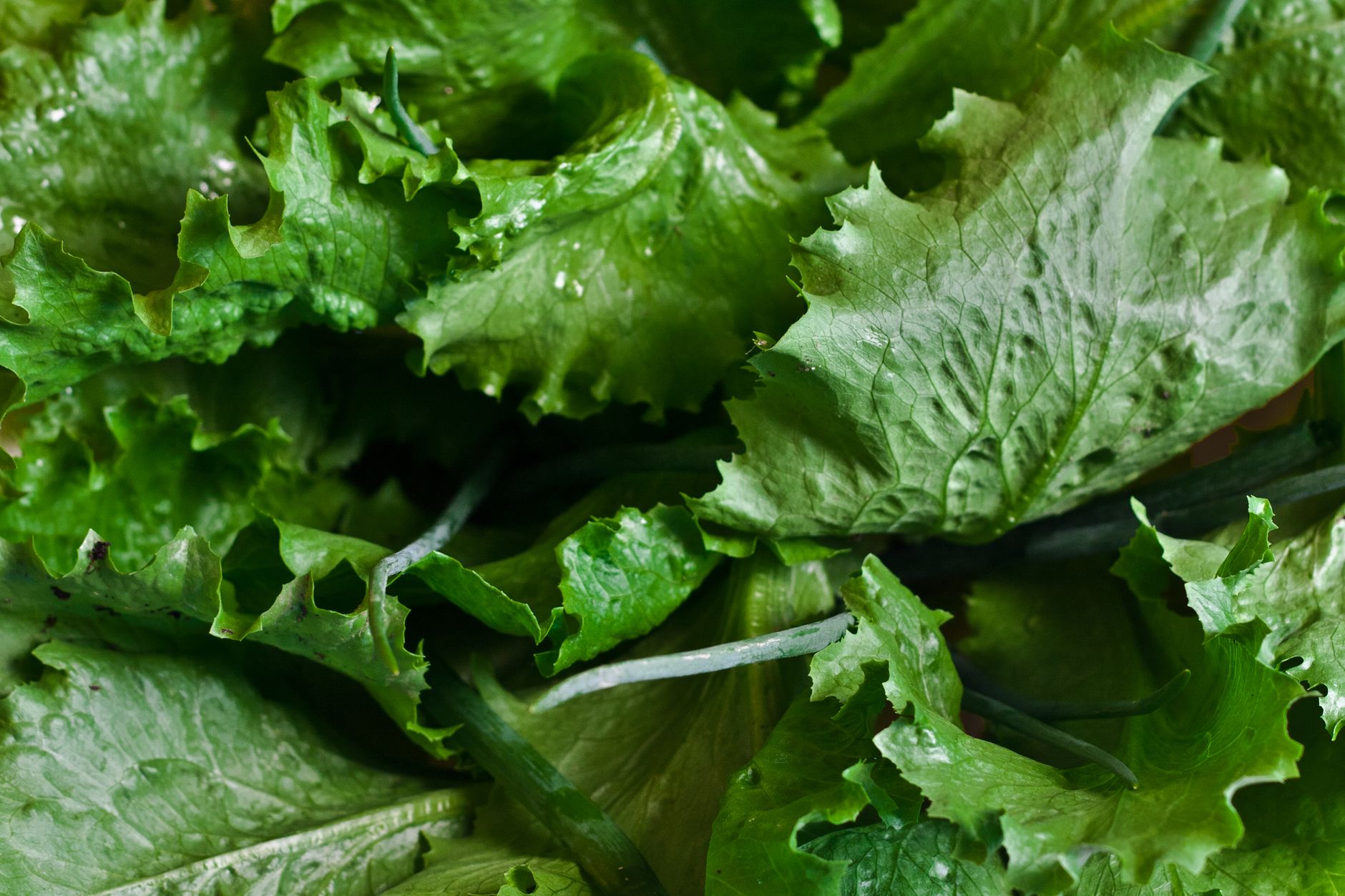
Lettuce is often celebrated as a light, crisp addition to salads and sandwiches, but it raises a common question among diners: does lettuce cause gas? Understanding the digestive effects of lettuce can enhance mealtime experiences and help those sensitive to gas and bloating make informed choices.
This comprehensive guide will delve into whether lettuce can cause gas, the factors involved, and tips for enjoying this popular leafy green while minimizing discomfort.
Does Lettuce Cause Gas?
Lettuce typically does not cause gas for most individuals. However, factors such as preparation methods, individual tolerance, and portion sizes can influence digestive reactions. Some people may experience gas due to other ingredients in their meals or specific lettuce varieties like romaine or iceberg.
The Science Behind Gas Formation
Gas in the digestive system can result from various sources, including swallowed air and the breakdown of certain foods by gut bacteria. The upper gastrointestinal tract breaks down carbohydrates, proteins, and fats, while the lower tract, particularly the colon, continues the fermentation process, which can increase gas production.
Foods that commonly lead to gas include those containing non-digestible carbohydrates like oligosaccharides, fructose, lactose, and sorbitol. While lettuce is low in these problematic carbs, other ingredients typically paired with it may contribute to gas.
How Lettuce Affects Digestion
Lettuce is primarily composed of water and fiber, which contributes positively to digestion in most cases. The high water content helps maintain hydration and supports gastrointestinal health, while dietary fiber aids in the regularity of bowel movements.
Types of Lettuce and Their Characteristics
Diverse varieties of lettuce and leafy greens exist, each with unique flavors, textures, and nutritional profiles. Below are some commonly consumed types:
- Icicle Lettuce: Crisp texture, mildly sweet flavor, and commonly used in salads.
- Romaine Lettuce: Known for its crunchy leaves, it’s often used in salads and wraps.
- Butterhead Lettuce: Soft and tender, with a buttery flavor, this lettuce variety is delicious in sandwiches.
- Leafy Lettuce: Available in various colors, it is versatile and adds visual appeal to dishes.
Overall, the gas-producing potential of lettuce is minimal, and most people can enjoy it without issues. However, specific varieties may contribute slightly more to gastrointestinal discomfort in sensitive individuals.
Other Contributing Factors
Several additional elements may cause gas when consuming lettuce, including:
Preparation Methods
How lettuce is prepared and served can influence its digestibility:
- Raw vs. Cooked: Some individuals digest cooked greens more easily than raw ones.
- Accompaniments: Dishes with high-gas-producing foods (like beans, onions, or dairy) can cause discomfort in combination with lettuce.
- Dressings: Rich or creamy dressings may not sit well for everyone and can lead to gastric discomfort.
Portion Sizes
Even low-gas foods can lead to gas when consumed in excessive amounts. Enjoying lettuce in moderation might help enhance digestibility and reduce discomfort for sensitive individuals.
Individual Differences
Everyone’s digestive system is unique; some might be more sensitive to certain types of lettuce or the fiber content it carries. For example, people with Irritable Bowel Syndrome (IBS) or similar conditions might react differently to fiber-rich foods, including various lettuce types.
TIPS for Reducing Gas from Lettuce
If you’re concerned about gas when eating lettuce, consider these practical tips:
Choose Wisely
Select lettuce types that are generally easier to digest, like butterhead or leafy greens, and avoid those known for higher sulfur content, such as certain dark greens in large servings.
Balance Your Meal
Ensure that lettuce is paired with non-gas-forming foods. When incorporating it into salads, opt for proteins like grilled chicken or fish, and incorporate simple dressings like vinaigrettes instead of heavy creamy sauces.
Stay Hydrated
Drinking ample water helps fiber move through the digestive system smoothly, which may help mitigate gas and bloating.
Chewing Thoroughly
Take smaller bites and chew your food thoroughly to aid in digestion, allowing enzymes in the saliva to break down food more effectively.
Mixing Lettuce with Other Vegetables
If you’re looking to create delightful salads, consider incorporating other vegetables along with lettuce. However, be mindful of their potential gas-inducing properties:
Low Gas Vegetables
- Cucumbers: High water content and low in fiber make cucumbers a great addition.
- Carrots: Naturally sweet, they provide crunch without contributing significantly to gas.
- Bell Peppers: Packed with flavor and low in carbohydrates, they complement salads nicely.
Higher Gas Vegetables
- Onions: Can produce gas for many people, so use them sparingly or opt for green onions
- Beans: While nutritious, beans are notorious for causing gas; combine with lettuce in moderation.
- Cruciferous Veggies: Broccoli, cauliflower, and brussels sprouts often lead to discomfort and should be consumed with caution.
Recipes Featuring Lettuce
Incorporating lettuce into inventive recipes can enhance overall enjoyment while managing gas-related concerns. Below are a few suggestions showcasing how to use lettuce as a vital ingredient:
Classic Caesar Salad
This timeless dish allows for a substantial lettuce presence while retaining a balance of flavors:
- Ingredients: Romaine lettuce, homemade or store-bought Caesar dressing, croutons, grated Parmesan cheese.
- Method: Toss lettuce with dressing, top with croutons and cheese, and serve chilled.
Asian Lettuce Wraps
A deliciously fun way to enjoy lettuce without the worry of gassy symptoms:
- Ingredients: Butter lettuce leaves, ground turkey or chicken, diced water chestnuts, soy sauce, sesame oil.
- Method: Cook ground meat with vegetables and seasoning, and serve in lettuce leaves as a wrap.
Alternative Greens for Gas-Prone Individuals
If you find that lettuce consistently leads to discomfort, consider these alternative greens:
- Spinach: Rich in nutrients and generally easy to digest; use in salads or smoothies.
- Swiss Chard: Versatile and can be easily incorporated into various dishes without causing gas.
- Kale: While tougher, it can be massaged to become more tender; pairing it with sweeter ingredients may offset digestive issues.
Storage and Preparation Tips for Lettuce
The way lettuce is stored and prepped also affects its quality and digestibility:
Storage Guidance
To maximize lettuce’s freshness and texture:
- Store lettuce in a sealed container or in plastic bags with air removed to prevent wilting.
- Keep it in the crisper drawer of the refrigerator, where humidity is higher, to maintain crispness.
Preparation Process
Properly washing and cutting lettuce can affect its texture and taste:
- Wash thoroughly under cold water, ensuring all dirt and pesticides are removed.
- Dry using a salad spinner or pat with a clean kitchen towel.
- Cut or tear instead of chopping to maintain a crisp texture.
Conclusion
Lettuce, overall, is not a major culprits for gas in most diets, but individual responses can vary. Understanding the factors that influence digestive issues, such as preparation methods, portion sizes, and your unique dietary needs, can assist in enjoying this nutritious leafy green without discomfort.
For those who are sensitive, experimenting with alternatives, being mindful of combination ingredients, and practicing good preparation methods can lead to a pleasurable dining experience. Enjoy your meals and stay informed about the foods you consume!
Explore related recipes and food guides, like our wilted lettuce recipe or napa cabbage recipe, to expand your culinary options while managing digestion.