
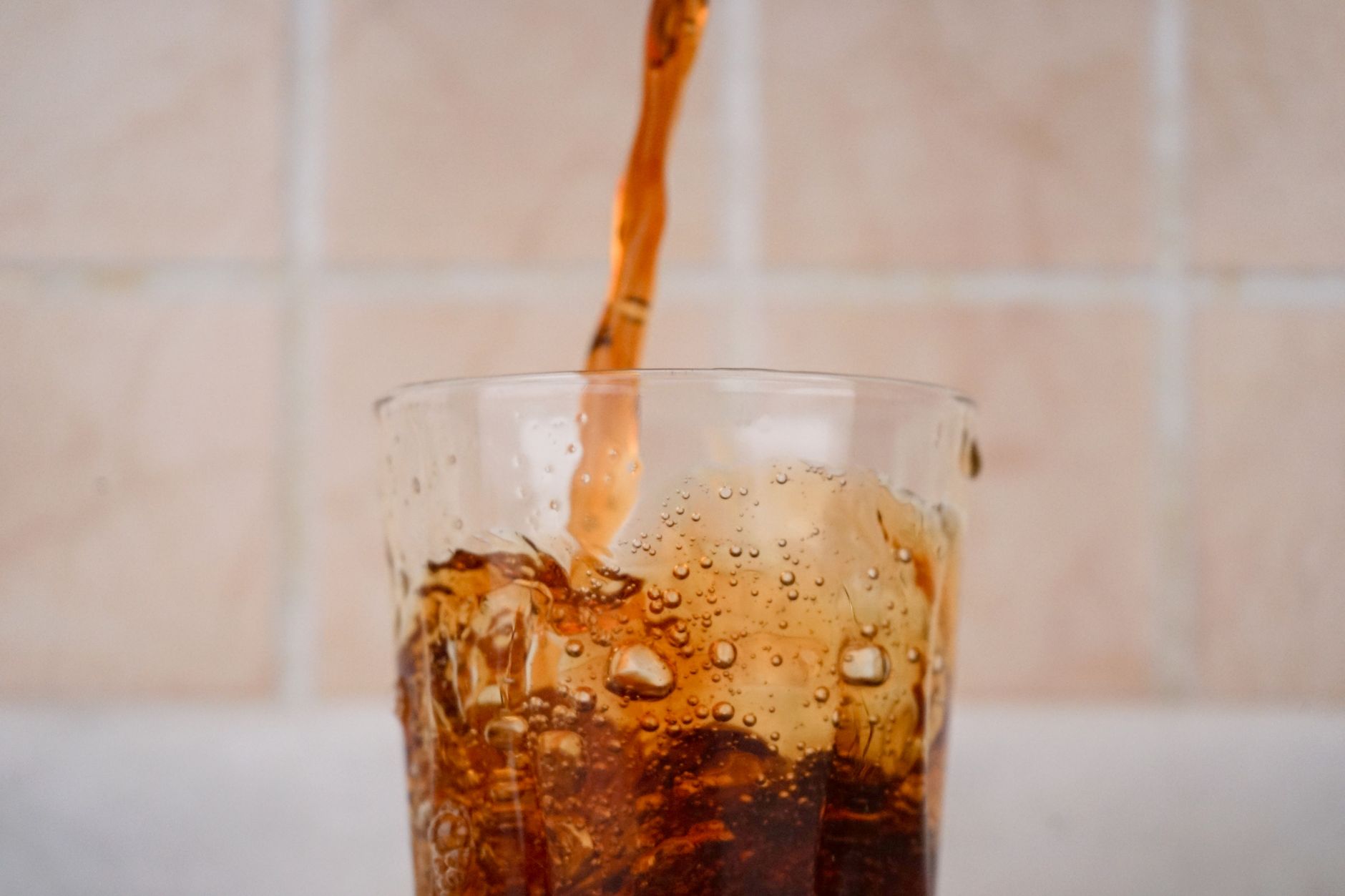
Have you ever poured a glass of soda and marveled at the lively bubbles that dance to the surface? The fizz that defines soda is not just a delightful visual; it has fascinating science behind it. Understanding what makes soda fizz can enhance your appreciation for this popular beverage and even come in handy in cooking.
This article will explore the science of carbonation, the importance of carbonation in flavors, and various uses for fizzy drinks that extend beyond quenching thirst. From innovative recipe ideas to practical serving tips, let’s discover what makes soda fizz!
What Makes Soda Fizz?
Soda fizzes due to carbonation, which is the dissolution of carbon dioxide (CO2) in the liquid under pressure. When you open a soda can or bottle, the pressure is released, allowing the carbon dioxide to escape in the form of bubbles. This effervescent quality enhances flavor, texture, and the overall drinking experience.
The Science of Carbonation
Carbonation involves several key scientific principles, including solubility, pressure, and temperature. Understanding these concepts can deepen your appreciation for fizzy beverages.
Solubility and Pressure
Carbon dioxide is more soluble in liquid under high pressure. When soda is bottled or canned, CO2 is dissolved into the liquid at high pressure. This process allows for a greater concentration of gas to be dissolved than would be possible at normal atmospheric pressure.
Release of Carbon Dioxide
Once you open the bottle or can, the pressure inside decreases quickly, causing the solubility of CO2 to drop. As a result, the carbon dioxide wants to escape, forming bubbles that rise to the surface. This rapid release of gas creates the fizzing sound that we associate with opening a soda.
Temperature Effects
Temperature plays an essential role in carbonation as well. Warm temperatures decrease the solubility of CO2, making it escape faster. This is why a warm soda tends to be less fizzy than a cold one. Always serve fizzy drinks chilled to retain maximum carbonation!
The Flavor of Fizz
Carbonation not only affects the appearance and texture of soda but also its flavor profile. The bubbles activate receptors on our tongues, contributing to the perception of flavor and enhancing the overall drinking experience.
Texture and Sensation
The effervescent bubbles create a unique texture that can impact how flavors are perceived. The quick burst of carbonation can intensify sweetness, making a sugary soda taste even sweeter, while also providing a refreshing contrast to heavier flavors.
Acidity and Flavor Enhancement
Carbonated beverages often have a slightly acidic taste due to the formation of carbonic acid when CO2 mixes with water. This acidity can brighten flavors and create a crisp, refreshing profile that is immensely appealing in drinks.
Charming Uses of Soda Beyond Drinking
While sodas are primarily enjoyed as beverages, their effervescent nature lends them well to various culinary applications. Here are several creative uses for fizzy drinks in your kitchen.
Baking with Soda
Carbonated beverages can be used in baking to add moisture and a unique flavor. Here are some baking ideas:
- Light and Fluffy Pancakes: Incorporating fizzy soda such as lemon-lime or ginger beer can add lift to pancake batter, resulting in lighter pancakes.
- Cake Ingredients: Substitute soda in cake recipes; for example, use cola in chocolate cake for moisture and a hint of flavor.
- Drinks as Sweeteners: Sodas can replace sugar in certain recipes, lending a delicious flavor twist while keeping the cake moist.
Marinades and Tenderizers
Using fizzy soda in marinades can be an effective tenderizer for meats. Here’s how you can incorporate soda in marinades:
- Meat Tenderization: The acids and carbonation work together to break down tough fibers in meats, making them more tender over time.
- Diverse Flavor Combinations: Experiment with flavors like ginger ale in chicken marinades or cola with pork for delightful results.
Cocktails and Soda Mixers
Fizzy drinks also serve as versatile cocktail mixers. Here are some ideas:
- Soda as a Fizz Booster: Use tonic water or club soda to add effervescence to cocktails without altering the primary flavors.
- Unique Punches: Mix fruity sodas with spirits to create refreshing summer punches or cocktails, perfect for gatherings.
Flavor Pairings for Soda
Enhancing your fizzy drinks with complementary flavors can create an interesting taste experience. Consider these pairing suggestions:
Citrus Companions
Fruity flavors amplify the freshness of soda. Pair lemon-lime soda with fresh herbs like mint for a refreshing beverage. Alternatively, use orange soda with ginger for warmth and zestfulness.
Flavored Syrups
Ginger syrup can add a warm, spicy note to any fizzy drink, making it enjoyable for the cooler months.
Tips for Serving Soda
To ensure that your soda experience remains enjoyable from first sip to last bubble, consider the following serving tips:
Chill Before Serving
Always serve soda cold. This helps maintain carbonation and prevents quick loss of fizz after opening. Keep your beverages in the refrigerator for a few hours before serving.
Choose the Right Glassware
The style of glass can enhance the visual appeal and drinking experience. Use tall, slender glasses to emphasize the bubbles, or opt for wide-brimmed glasses to enhance aroma.
Avoid Ice Sogginess
If serving soda over ice, use larger ice cubes that melt slower to prevent rapid dilution. This keeps the soda fizzy longer while maintaining flavor.
Mixing Soda
For cocktails, mix beverages with precision to achieve balance in flavor. Start with smaller measurements, tasting as you go to ensure how each addition enhances or detracts from the drink.
Common Mistakes to Avoid
When working with soda, it’s essential to be aware of common pitfalls to ensure a delightful experience.
Forgetting Temperature Effects
Failing to chill soda can lead to a flat and less enjoyable drink. Always serve cold.
Open Quickly
Opening the soda can or bottle too aggressively can cause it to fizz over and spill. To prevent this, open the bottle or can slowly, allowing pressure to stabilize.
Make-ahead Soda Ideas
Preparing fizzy drinks ahead of time can save you work during gatherings. Here are some ideas to consider:
- Pitcher Punch: Combine sodas and juices in a pitcher for easy serving, ensuring to leave some space at the top of the pitcher for any fizz expansion.
- Soda-Based Slushies: Blend ice, soda, and fruit in advance for a refreshing slushy treat ready to serve on a hot day.
Storage Tips for Soda
To maintain the quality and fizz of your soda, consider the following storage tips:
- Keep Sealed: Unopened soda can be stored in a cool, dark place, such as a pantry or cupboard. Once opened, transfer to the refrigerator immediately, and consume within a few days to maintain fizz.
- Avoid Light and Heat: Exposure to light and higher temperatures can affect carbonation levels and flavor, so keep your drinks in a suitable environment.
With a fascinating science; diverse culinary uses; unique flavor pairings; and practical tips, the world of fizzy drinks is more expansive than most people realize. Now that you know what makes soda fizz enjoy experimenting with ingredients, serving methods, and innovative recipes!
Explore related recipes, cooking tips, or food guides such as homemade ginger syrup or learn about raw asparagus for fresh additions to your kitchen.