
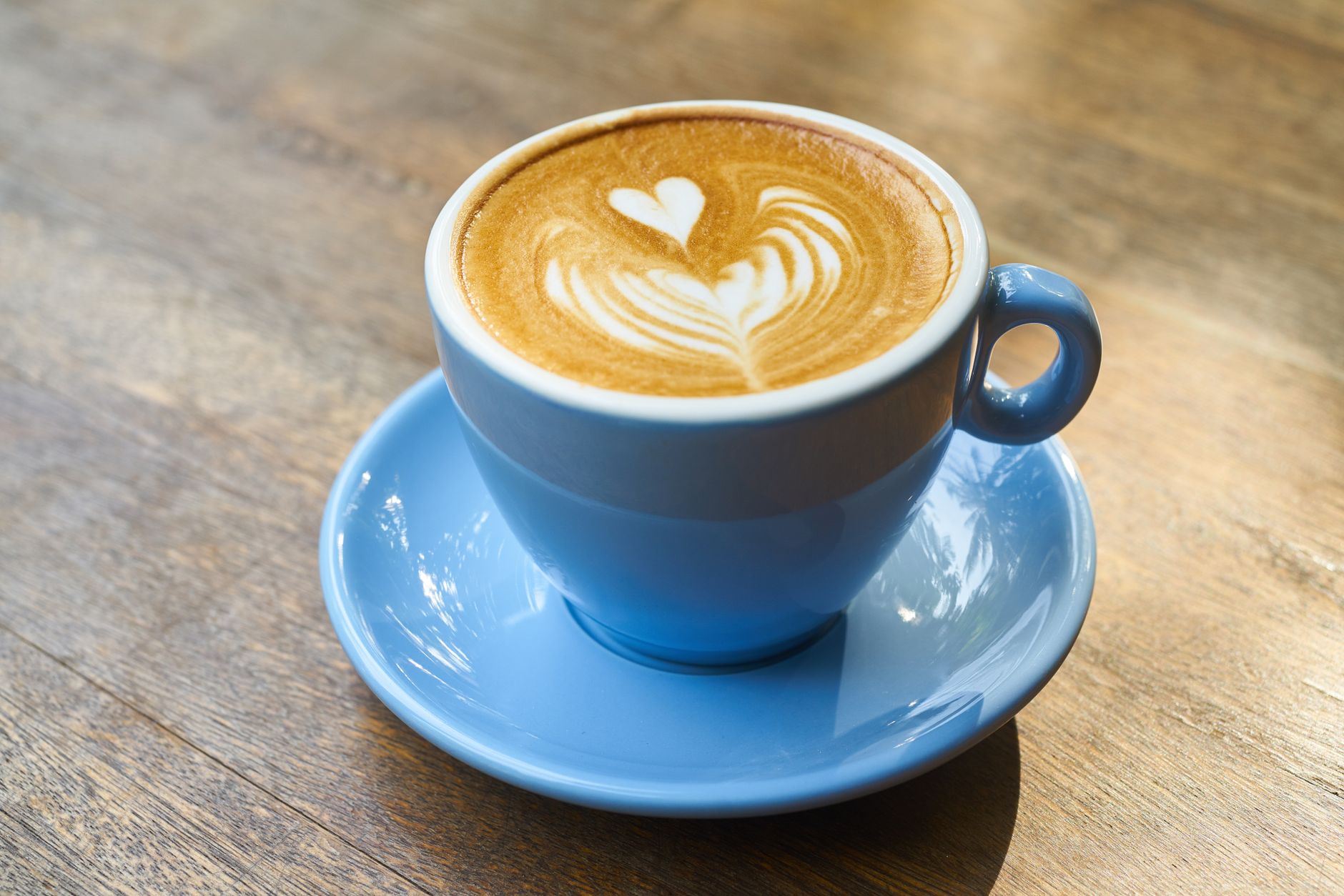
Coffee has transformed from a mysterious beverage known in ancient times to a daily essential for millions around the world. Its journey from obscure origins to widespread popularity showcases not only its rich flavor but also its cultural significance. Understanding when and how coffee became popular helps appreciate its role in our daily lives.
This exploration will delve into the history of coffee, tracing its rise in popularity through different eras and cultures, unveiling fascinating facts and highlighting its kitchen uses that make it a staple today.
When Did Coffee Become Popular?
Coffee gained popularity over several centuries, starting as a local drink in Ethiopia before spreading to the Arab world in the 15th century, Europe in the 17th century, and ultimately to the Americas in the 18th century. Its introduction into various cultures helped cement its status as a globally beloved beverage.
The Early Beginnings: Coffee’s Origins
The origins of coffee can be traced back to the ancient coffee forests of Ethiopia. According to legend, a goat herder named Kaldi discovered the energizing effects of coffee beans after observing his goats grazing on the berries of the coffee plant. This discovery led to the initial use of coffee beans for brewing in the Arab world.
By the 15th century, coffee was being cultivated in Yemen and enjoyed in Persia, Syria, and Turkey. Coffee houses, known as qahveh khaneh, began to emerge during this period, becoming centers for social interaction and cultural gathering.
Coffee Spreads to the Arab World
The 16th century saw coffee expanding rapidly throughout the Arab world. It became an important cultural commodity, especially in the Ottoman Empire. Coffee was initially met with skepticism by religious leaders who saw it as a potentially intoxicating beverage, but it quickly found its place in social and religious gatherings.
Notably, the first coffee house opened in Constantinople in the mid-1500s. These venues provided a space for conversation, music, and other forms of entertainment, making coffee a symbol of socialization. The consumption of coffee flourished, and many cultural customs surrounding coffee began to develop.
The Entrance to Europe
Coffee made its way to Europe in the 17th century, first arriving in Italy through trade with the Ottoman Empire. The beverage gained immediate popularity, and coffee houses sprang up in major cities such as Venice and London, where it became a hub for intellectual exchange and political discussion.
London’s first coffee house, opened in 1652, quickly became a popular meeting spot for opticians, merchants, and political activists. Coffee houses began to be referred to as “penny universities” as anyone could enter for the price of a cup of coffee and engage in lively debate and discourse.
Coffee and the American Colonies
In the 18th century, coffee made its way to the American colonies. The Boston Tea Party in 1773, a protest against British tea taxes, marked a significant turn towards coffee consumption. The act of declaring independence from tea led to coffee being embraced as a patriotic alternative.
By the end of the 18th century, coffee had firmly established itself in American society. With the establishment of coffee plantations in Central America and the Caribbean, the beverage’s cultivation and trade became significant components of the colonial economy.
The Industrial Revolution and Coffee’s Modernization
The 19th century brought about major advancements in coffee production and consumption. The Industrial Revolution saw the invention of various brewing methods, such as the drip coffee maker and espresso machine, particularly in Europe. The ability to mass-produce coffee made it more accessible to the general public.
Instant coffee made its debut in the early 1900s, creating a new convenience for consumers. The easier preparation meant coffee could be enjoyed without the need for elaborate brewing methods, leading to a further increase in its popularity among busy individuals.
Coffee in the 20th Century: From Instant to Specialty
The latter half of the 20th century saw coffee culture evolving in new directions, particularly in North America and Europe. The American coffee scene diversified with the establishment of specialty coffee shops emphasizing single-origin beans and artisanal brewing techniques. This shift introduced consumers to a new realm of flavor and quality.
Espresso-based drinks such as cappuccinos and lattes grew in popularity, thanks in part to the rise of Italian coffee culture in America. Chains like Starbucks emerged in the 1990s, revolutionizing the coffee experience and making specialty drinks accessible to the masses.
Global Coffee Culture Today
Today, coffee consumption is a global phenomenon, integral to social interactions and daily routines across various cultures. The rise of coffee-producing countries in Latin America, Africa, and Asia has led to a global appreciation for diverse coffee flavors and brewing traditions.
From Ethiopia’s traditional coffee ceremonies to Italy’s espresso culture and Scandinavia’s Fika (coffee and cake breaks), coffee serves as a means of connection and enjoyment. Modern consumers are becoming more discerning, seeking premium quality and ethically sourced beans, as awareness of sustainable practices increases.
The Versatility of Coffee in the Kitchen
Coffee is not just a beverage—it’s also a versatile ingredient in the kitchen. Its bold flavor enhances a variety of dishes, making it a valuable addition to both sweet and savory recipes.
Cooking with Coffee
The use of coffee in cooking extends beyond brewing a classic cup. Here are some popular ways to harness its flavor:
- Meat Marinades: Coffee works exceptionally well in marinades for meats. Its acidity helps tenderize tougher cuts while imparting a rich flavor. Combining coffee with brown sugar, spices, and vinegar can create a wonderful base for marinades or rubs.
- Baking: Coffee enhances baked goods like cakes, brownies, and cookies. Adding brewed coffee to chocolate recipes deepens the flavor profile, resulting in a more intense taste experience.
- Soups and Sauces: Incorporating coffee into savory dishes like chili or barbecue sauce can add depth and complexity. A splash of brewed coffee in a tomato-based sauce elevates the overall flavor.
Coffee-Based Desserts
Coffee makes an excellent addition to a variety of dessert recipes. Common uses include:
- Tiramisu: This iconic Italian dessert layers coffee-soaked ladyfingers with a rich mascarpone cream, celebrating the coffee flavor at its core.
- Affogato: A simple yet decadent dessert consisting of a scoop of vanilla ice cream topped with a shot of hot espresso.
- Coffee Ice Cream: Infusing ice cream base with brewed coffee creates a refreshing, rich treat perfect for any occasion.
Practical Tips for Using Coffee in the Kitchen
When experimenting with coffee in cooking, keep these tips in mind:
- Use brewed coffee for recipes, as it enhances moisture and flavor without overwhelming the dish.
- Choose high-quality coffee beans or grounds to ensure the best flavor. Freshly ground coffee will yield better results compared to pre-ground options.
- Consider pairing coffee with complementary ingredients like chocolate, cinnamon, and vanilla to create balanced flavor profiles.
Coffee Preparation Methods at Home
To fully appreciate coffee’s flavors, understanding various preparation methods is essential. Each method extracts unique qualities from the beans, impacting taste and aroma.
Popular Brewing Methods
Here are some common coffee brewing methods to explore:
- Drip Coffee Maker: A popular and convenient method, where water is heated and drip-brewed through a filter filled with coffee grounds. Ideal for making larger quantities.
- French Press: This simple method involves steeping coarse coffee grounds in hot water before pressing down a mesh filter to extract the coffee. It produces a full-bodied brew.
- Espresso Machines: These machines force hot water through finely ground coffee at high pressure, resulting in a concentrated shot of coffee. The foundation for many coffeehouse beverages.
- AeroPress: A versatile device that creates espresso-like coffee by forcing hot water through coffee grounds using air pressure. It is portable and easy to clean.
Flavor and Strength Adjustments
When brewing coffee, strength and flavor can be adjusted through the coffee-to-water ratio. A common guideline is:
| Coffee (grams) | Water (milliliters) | Coffee Strength |
|---|---|---|
| 10 | 150 | Strong |
| 15 | 250 | Medium |
| 20 | 350 | Light |
Storing Coffee for Freshness
To maintain the quality of coffee, proper storage is crucial. Here are best practices to consider:
- Airtight Containers: Store coffee beans or grounds in opaque, airtight containers to prevent exposure to light, air, and moisture.
- Cool, Dark Place: Keep the container in a cool, dark area, away from heat sources like the stove.
- Whole Beans vs. Ground: Coffee beans retain freshness longer than pre-ground coffee. Consider grinding beans just before brewing for optimum flavor.
Common Mistakes When Brewing Coffee
Even the most seasoned coffee drinkers encounter pitfalls while brewing. Avoid these common mistakes:
- Incorrect Water Temperature: Using water that is too hot or too cold can affect extraction. Aim for water heated between 195°F to 205°F (90°C to 96°C).
- Wrong Grind Size: Using the wrong grind size for your brewing method can lead to over-extraction or under-extraction, impacting flavors.
- Over or Under-Brewing: Timing is crucial; over-brewing can lead to bitterness, while under-brewing may produce a weak cup.
Summary
From its humble beginnings in Ethiopia to a global phenomenon, coffee’s rise in popularity has been shaped by history, culture, and the modern culinary world. With its versatility in the kitchen, knowledge of preparation methods, and proper storage techniques, coffee continues to be an integral part of many people’s daily lives.
Explore related recipes to elevate your coffee enjoyment, like our Protein Coffee Recipe and the delicious Caramel Ribbon Crunch Frappuccino Recipe. Discover new ways to appreciate this beloved beverage.