
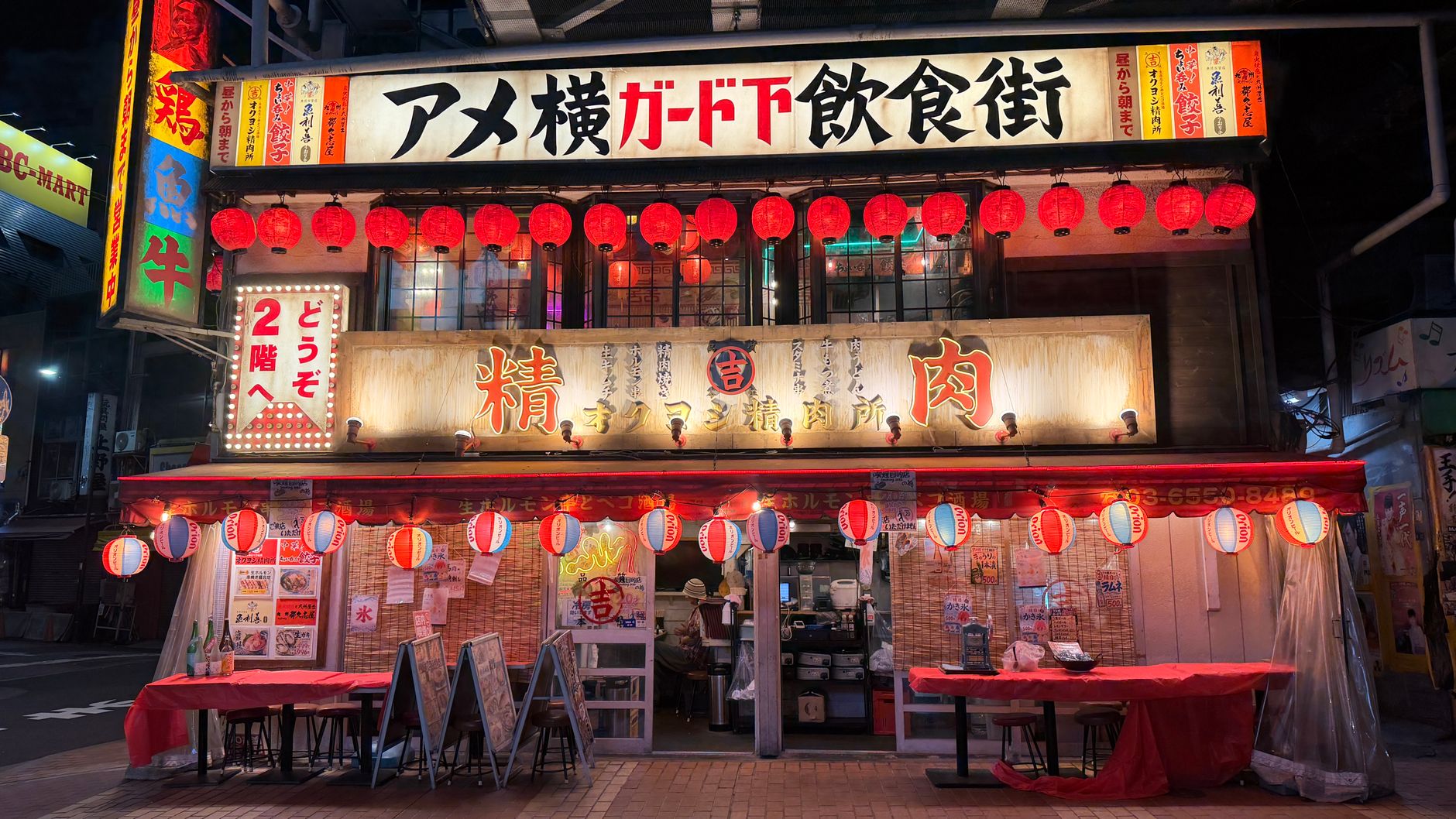
An izakaya is a Japanese-style casual drinking establishment that serves a variety of small dishes and beverages. Often likened to a pub or tavern, izakayas cater to social gatherings where friends and colleagues can unwind after work. The atmosphere is usually relaxed, with the emphasis on sharing plates and enjoying good company.
This article explores the essence of izakayas, their traditional ingredients, flavor profiles, popular dishes, and tips on how to recreate this dining experience at home.
What Is an Izakaya?
An izakaya is more than just a restaurant; it embodies a unique social dining experience. Patrons order multiple small dishes, allowing them to sample a variety of flavors and textures. The setting is informal, often with an open kitchen, making it an excellent place for friends to gather, eat, and drink.
Typically, izakayas serve a wide range of alcoholic beverages, including beer, sake, and shochu, paired with dishes that can range from simple snacks to more elaborate cuisines.
Understanding the Atmosphere of an Izakaya
The atmosphere of an izakaya plays a critical role in the dining experience. These establishments often feature wooden furniture, warm lighting, and a lively ambiance that invites conversation. Many izakayas have counter seating where diners can watch chefs prepare dishes, adding to the interactive nature of the experience.
Some izakayas may also have traditional Japanese elements, such as tatami seating, which involves sitting on mats, and sliding shoji doors. This setting encourages communal dining, fostering a sense of unity among guests.
Ingredients Commonly Found in Izakaya Cuisine
The culinary offerings at an izakaya are vast, but several key ingredients frequently make appearances. These ingredients not only define the flavors but also reflect the seasonal nature of Japanese cuisine:
- Soy Sauce: A fundamental seasoning made from fermented soybeans, crucial in marinades and as a dipping sauce.
- Miso: A traditional fermented soybean paste used in soups, dressings, and glazes.
- Rice: Served as plain steamed rice or in rice-based dishes, it is an essential staple in Japanese cooking.
- Seafood: Fresh fish and shellfish are featured prominently in dishes like sashimi and grilled items.
- Vegetables: Seasonal vegetables such as daikon, eggplant, and greens are commonly used in stir-fries, salads, and sides.
- Tofu: A versatile ingredient often used in appetizers and stews, tofu can add texture and protein.
- Noodles: Varieties such as soba (buckwheat) and udon (wheat) appear in dishes or as side items.
Popular Izakaya Dishes and Their Flavors
Izakaas feature a diverse menu with both hot and cold offerings. Here are some popular dishes you might encounter:
Yakitori
Grilled skewered chicken, known as yakitori, is a staple menu item. These skewers often feature different parts of the chicken, including thighs, breasts, and even offal. Marinated in a sauce made from soy sauce, sake, and sugar, the sweet and savory flavor profile makes it a favorite.
Edamame
Steamed and lightly salted edamame (young soybeans) serve as a healthy snack or appetizer. The dish is simple yet flavorful, showcasing the natural sweetness of the beans.
Tempura
This dish features various ingredients, such as shrimp or vegetables, dipped in a light batter and deep-fried to a crispy texture. Served with a dipping sauce, tempura provides a delightful contrast between crunchy batter and tender filling.
Takoyaki
These small, round, savory pancakes contain pieces of octopus (tako), green onions, and tempura scraps, cooked in a special molded pan. Served with a drizzle of takoyaki sauce and bonito flakes, they offer a mix of flavors and textures.
Sashimi and Sushi
While izakayas mainly focus on small plates, you may also find fresh sashimi and sushi. Sashimi includes thinly sliced raw fish, highlighting the quality and freshness of the seafood. Sushi offers a great balance of flavors through the combination of vinegared rice and various toppings.
Flavor Profiles in Izakaya Cuisine
Izakaya dishes often balance umami, sweetness, saltiness, and bitterness, creating complex flavor profiles. Here are some key flavor characteristics:
- Umami: This rich, savory taste comes from ingredients like soy sauce, miso, and seafood, providing depth to dishes.
- Sweetness: Ingredients like mirin (sweet rice wine) and sugar are commonly used in marinades and sauces.
- Saltiness: Salt, soy sauce, and salty seafood enhance the flavors of vegetable and meat dishes.
- Bitterness: Certain vegetables and green teas can add balance through a touch of bitterness, helping to round out meal offerings.
How to Serve Dishes at an Izakaya
Serving dishes at an izakaya is as crucial to the experience as the food itself. Here are some guidelines for achieving that authentic izakaya vibe at home:
- Sharing Is Caring: Encourage communal dining by serving dishes in small portions that can be shared among diners.
- Variety Is Key: Offer a diverse selection of dishes to provide a range of flavors and textures.
- Presentation Matters: Use traditional Japanese serveware like small plates, bowls, and lacquerware for an authentic presentation.
- Accompany with Drinks: Pair dishes with a selection of beer, sake, or shochu to enhance the meal experience.
Tips for Creating an Izakaya Experience at Home
To replicate the izakaya experience at home, consider the following practical steps:
Choose Your Dishes Wisely
Select a few signature izakaya dishes that you enjoy or want to try. Think of a balanced menu, including proteins, vegetables, and grains to create a well-rounded meal.
Preparation Ahead of Time
Prep ingredients in advance to streamline the cooking process. Marinate proteins, chop vegetables, and make sauces beforehand so you can focus more on serving and enjoying the experience with guests.
Create a Relaxed Atmosphere
Set the mood with soft lighting, calming music, and a casual dining area to mimic the warm, inviting feel of an izakaya.
Encourage Interaction
Invite guests to help prepare the meal or assemble their plates. This fosters connection and makes the experience fun and engaging.
Common Mistakes When Hosting an Izakaya Night
To ensure your izakaya night is a success, avoid these common mistakes:
- Overcomplicating the Menu: Stick to a few dishes you can prepare well rather than trying to make too many complex recipes.
- Neglecting to Balance Flavors: Aim for a variety of flavors and textures in your dishes. Avoid overwhelming your guests with similar-tasting items.
- Running Out of Food: Be sure to prepare enough food for your guests to share and enjoy, as izakaya dining encourages sampling.
- Forgetting the Drinks: Beverage pairings are a crucial aspect of izakaya dining. Have a good selection on hand to enhance the meal.
Storage and Reheating Guidelines
While izakaya dishes are typically enjoyed fresh, here are some guidelines for storing and reheating leftovers:
- Refrigerate Promptly: Store leftover food in airtight containers and refrigerate within two hours of cooking.
- Consume Quickly: Aim to eat leftovers within three to four days to ensure freshness and safety.
- Reheat Gently: Use low heat to reheat items like grilled dishes or tempura to maintain texture. Avoid overheating, which can dry out the food.
Final Thoughts
Understanding izakaya culture unveils a world of flavors and social dining experiences. This casual dining style emphasizes sharing, variety, and conviviality, bringing people together through food and drink. Embrace this tradition in your home and share the joys of izakaya with friends and family.
If you’re interested in trying out some specific dishes that can be made at home, consider experimenting with classic recipes like oden or a flavorful tempura sauce that elevates any meal. Enjoy the experience of izakaya dining wherever you are!