
There’s something utterly comforting about the rich, gooey layers of cheese that make a lasagna truly unforgettable. This Cheese For Lasagna Recipe is not just about melting cheese; it’s about crafting a creamy, flavorful filling that elevates your dish to new heights.
With a perfect blend of ricotta, mozzarella, and Parmesan, this cheese mixture balances texture and flavor beautifully. It’s versatile enough to suit your taste, whether you’re a fan of classic flavors or adventurous combinations.
Why You’ll Love This Recipe
This cheese blend is a game changer for your lasagna.
- Rich and creamy texture that melts perfectly.
- Easy to make with simple ingredients.
- Versatile for different lasagna styles.
- Great for meal prep and leftovers.
- Can be customized with herbs and spices.
My Experience Making This Recipe
Every time I whip up this cheese mixture, my kitchen fills with the irresistible aroma of Italian comfort food. My family gathers around, eagerly waiting to dive into the lasagna layers that promise cheesy bliss.
The moment I pull the lasagna from the oven, the bubbling cheese on top is always a sight to behold. It’s a dish that brings everyone together, sparking joy and nostalgia with every bite.
Recipe Overview
- Recipe Name: Cheese For Lasagna
- Servings: 8
- Prep Time: 20 minutes
- Cook Time: 30 minutes
- Total Time: 50 minutes
- Course: Main Course
- Cuisine: Italian
- Calories per Serving: 300
Equipment You Will Need
- Mixing bowl
- Spatula
- Measuring cups and spoons
- Baking dish
- Oven
Ingredients for Cheese For Lasagna
- 15 ounces ricotta cheese
- 2 cups shredded mozzarella cheese
- 1 cup grated Parmesan cheese
- 1 large egg
- 2 tablespoons fresh parsley, chopped
- 1 teaspoon garlic powder
- 1 teaspoon salt
- 1/2 teaspoon black pepper
Ingredient Notes and Substitutions
- Ricotta cheese: Provides creaminess and structure; cottage cheese can be used as a substitute for a lighter option.
- Shredded mozzarella: Offers that gooey stretch; fresh mozzarella works for a different texture.
- Grated Parmesan: Adds a nutty flavor; Pecorino Romano can be used for a sharper taste.
- Egg: Binds the mixture; a flax egg is a suitable vegan alternative.
- Fresh parsley: Brightens the dish; dried Italian herbs can be used for convenience.
How to Make Cheese For Lasagna
Step 1: Gather Your Ingredients
Start by measuring out all your ingredients. Having everything ready makes the mixing process smooth and easy.
Step 2: Mix the Cheeses
In a large mixing bowl, combine the ricotta, mozzarella, and Parmesan cheeses. This blend will provide a rich flavor profile for your lasagna.
Step 3: Add the Egg
Crack the egg into the cheese mixture and stir until fully incorporated. The egg acts as a binder, holding the cheese filling together.
Step 4: Season the Mixture
Add garlic powder, salt, black pepper, and parsley to the cheese mixture. These seasonings enhance the overall flavor and add freshness.
Step 5: Mix Well
Using a spatula, mix everything together until smooth and fully combined. A good mix ensures that every layer of your lasagna is equally flavorful.
Step 6: Taste and Adjust
Give the cheese mixture a taste and adjust the seasonings if necessary. A little extra salt or pepper can elevate the flavors.
Step 7: Prepare for Layering
Your cheese mixture is now ready to be layered in your lasagna. Ensure your baking dish is prepped with sauce to prevent sticking.
Step 8: Assemble the Lasagna
Layer the cheese mixture between sheets of pasta and sauce in your baking dish. This layering technique creates a deliciously cheesy and satisfying meal.
Pro Tip: For extra flavor, add a sprinkle of Italian herbs to your cheese mixture.
Tips for the Best Cheese For Lasagna
- Use fresh ingredients for the best flavor.
- Don’t skimp on the cheese; it’s the star of the show.
- Allow the lasagna to rest before serving to let the layers set.
- Experiment with different cheeses for unique flavors.
- Cover the lasagna with foil while baking to prevent over-browning.
Common Mistakes to Avoid
- Skipping the egg: This can result in a crumbly texture that falls apart.
- Using low-quality cheese: It can lead to a bland and unappetizing filling.
- Not seasoning enough: A lack of seasoning can make the dish taste flat.
- Overmixing: This can make the cheese mixture too dense and tough.
- Not resting the lasagna: Serving immediately can cause it to fall apart.
Serving Suggestions
Enjoy your lasagna hot and bubbly right out of the oven. Pair it with a fresh salad or garlic bread for a complete meal.
- Garlic bread
- Caesar salad
- Roasted vegetables
- Red wine
- Herb crusted breadsticks
Variations to Try
- Add spinach for a delicious veggie boost and added color.
- Mix in cooked ground meat for a heartier filling.
- Incorporate different herbs like basil or oregano for a fresh twist.
- Try a blend of smoked cheeses for a unique flavor profile.
- For a spicy kick, add red pepper flakes or jalapeños.
Dietary Adaptations
- Gluten-free: Use gluten-free lasagna noodles or zucchini strips.
- Dairy-free: Substitute with vegan cheese alternatives.
- Vegetarian: This recipe is naturally vegetarian; just ensure no meat is added.
- Low-carb/Keto: Use zucchini or eggplant slices instead of pasta.
Storage and Reheating
Refrigerator
Store leftover lasagna in an airtight container in the fridge. It will keep well for up to 3 days.
- Make sure it is completely cooled before refrigerating.
- Cover tightly to prevent drying out.
Freezer
Lasagna can be frozen for up to 3 months. Assemble it fully, then wrap tightly in plastic wrap before freezing.
- Label with the date for easy tracking.
- Thaw in the fridge overnight before baking.
Reheating
Reheat in the oven for best results. Cover with foil to prevent burning.
- Heat at 350°F for about 20-30 minutes.
- Microwave is okay for single servings, but may dry out the cheese.
Nutrition Information
| Nutrient | Amount |
|---|---|
| Calories | 300 |
| Total Fat | 18g |
| Saturated Fat | 10g |
| Carbohydrates | 20g |
| Fiber | 1g |
| Sugar | 1g |
| Protein | 20g |
| Sodium | 450mg |
| Cholesterol | 70mg |
This information is an estimate and may vary based on specific ingredients used.
Frequently Asked Questions
Can I make this cheese mixture ahead of time?
Yes, you can prepare the cheese mixture a day in advance and store it in the refrigerator.
What can I substitute for ricotta cheese?
Cottage cheese is a great alternative if you want a lighter option with similar texture.
How should I store leftovers?
Leftover lasagna should be stored in an airtight container in the refrigerator for up to 3 days.
Why is my cheese mixture too runny?
This can occur if you use too much liquid or if the ricotta is overly wet; try draining it before mixing.
Can I freeze the cheese mixture?
Yes, you can freeze it, but for best results, freeze it in the assembled lasagna form.
Final Thoughts
Making your own cheese filling for lasagna is a delightful way to bring authentic flavors to your kitchen. With just a few ingredients, you can create a creamy, delicious layer that will have everyone coming back for seconds.
Give this recipe a try, and watch how it transforms your lasagna into a family favorite. For more delicious lasagna ideas, check out my Million Dollar Lasagna Recipe and Sheet Pan Lasagna Recipe for more cheesy goodness!
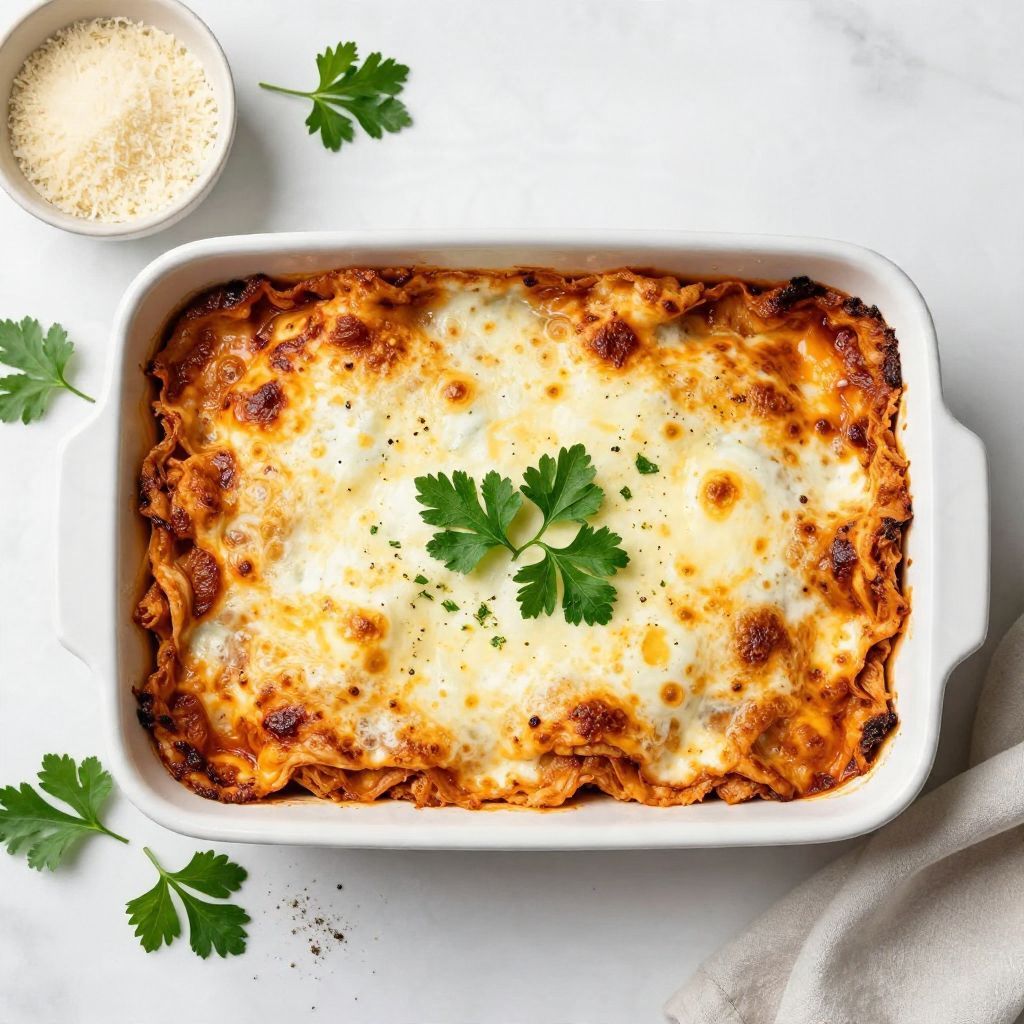
Cheese For Lasagna
Ingredients
Equipment
Method
- Gather all your ingredients.
- In a large mixing bowl, combine the ricotta, mozzarella, and Parmesan cheeses.
- Crack the egg into the cheese mixture and stir until fully incorporated.
- Add garlic powder, salt, black pepper, and parsley to the cheese mixture.
- Using a spatula, mix everything together until smooth and fully combined.
- Taste the cheese mixture and adjust the seasonings if necessary.
- Prepare your baking dish with sauce to prevent sticking.
- Layer the cheese mixture between sheets of pasta and sauce in your baking dish.