
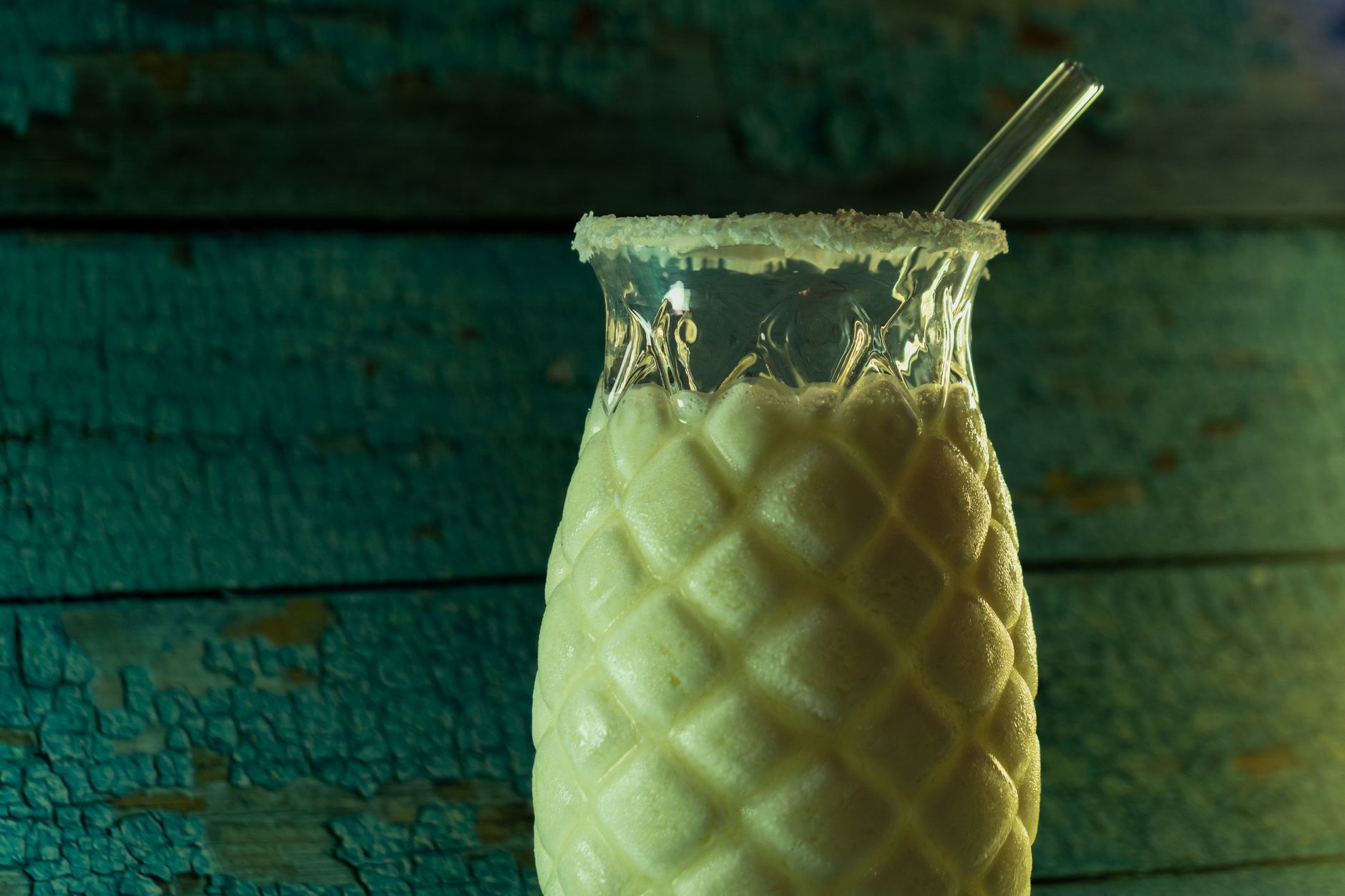
Coquito is a traditional Puerto Rican holiday beverage that blends the rich creaminess of coconut milk with a hint of warmth from spices like cinnamon and nutmeg. This delicious drink is often likened to eggnog but with a distinctive tropical twist, making it a festive favorite during celebratory gatherings.
While coquito is primarily known for its delightful flavors, its ingredient list plays a vital role in achieving the perfect balance. Understanding what makes up coquito can enhance not just your appreciation for this drink but also your ability to create a homemade version. Let’s explore what coquito is made of and how to enjoy it.
What Is Coquito Made of?
Coquito is made from a small collection of core ingredients, including coconut milk, sweetened condensed milk, and rum. The creamy base combined with spices gives it a luscious texture and sweet finish, making it a popular choice for holiday festivities.
Core Ingredients of Coquito
The beauty of coquito lies in its simplicity. Below is a breakdown of the essential ingredients that contribute to its iconic flavor:
- Coconut Milk: This is the primary ingredient, providing a rich and creamy texture. Use either canned coconut milk for a thicker consistency or coconut cream for a more indulgent beverage.
- Sweetened Condensed Milk: This thick, sweet milk adds both sweetness and creaminess to the drink. It’s responsible for the smooth mouthfeel associated with coquito.
- Rum: Traditionally, coquito includes a good-quality white rum which enhances the drink’s depth. Feel free to adjust the amount based on your taste preferences.
- Cinnamon: Typically added in powder form, cinnamon gives a warm spice flavor that is essential to the drink’s character.
- Nutmeg: This spice is often used in both grated and powdered forms, adding aromatic depth and complexity.
- Vanilla Extract: A splash of vanilla enhances the sweetness and rounds out the flavors beautifully.
- Optional additives: Some recipes also include egg yolks for richness or additional flavorings such as cloves or almond extract.
Additional Ingredients and Variations
While the basic ingredients provide the traditional coquito flavor, many enjoy experimenting with variations. Here are a few additional ingredients and alternatives you might consider:
- Evaporated Milk: Some recipes call for evaporated milk, which can enhance the richness without adding additional sweetness.
- Flavor Infusions: Consider adding citrus zest, like lime or orange, for a zesty twist.
- Chocolate: For a mocha version, add unsweetened cocoa powder or chocolate syrup, introducing a unique flavor profile.
- Vegan Options: To create a vegan version, substitute regular milk with plant-based alternatives such as almond or oat milk.
Where to Find and Select Ingredients
When it comes to crafting your own coquito, sourcing the best ingredients is key. Here’s where to look and what to consider:
Coconut Milk
Canned coconut milk can be found in most grocery stores, typically in the international aisle. Choose full-fat coconut milk for a creamier texture. Check the ingredient list for additives; pure coconut milk is preferred.
Sweetened Condensed Milk
This ingredient is a staple in the baking aisle. Be sure to select a brand that lists pure milk and sugar without unnecessary additives.
Rum
Select a mid-range white rum that you enjoy drinking on its own, as its flavor will come through in the finished coquito. Known brands include Bacardi and Don Q.
Spices and Flavorings
Fresh spices provide better flavor compared to pre-ground ones. Opt for whole cinnamon sticks and whole nutmeg, and grate them freshly as needed. Vanilla extract should be pure, not imitation, for maximum flavor.
Essential Equipment for Making Coquito
The equipment needed to prepare coquito is minimal and straightforward:
- Blender: A countertop blender is essential for achieving a smooth and creamy consistency. A hand blender can also work in a pinch.
- Measuring Cups and Spoons: Accurate measurement of your ingredients ensures the best flavor balance.
- Storage Bottles: Glass or plastic bottles for storing coquito once prepared. Beer bottles or other airtight containers work well.
- Fine Mesh Strainer (optional): If using whole spices, strain them to achieve a smoother drink.
Step-by-Step Coquito Recipe
Here’s how you can prepare a traditional coquito at home:
- Gather the Ingredients: Ensure you have all the ingredients ready and your equipment on hand.
- Blend Base Ingredients: In your blender, add two cans of coconut milk, one can of sweetened condensed milk, and one cup of white rum.
- Add Flavorings: Sprinkle in one teaspoon each of ground cinnamon and nutmeg, along with one teaspoon of vanilla extract. Adjust according to your preference.
- Blend Until Smooth: Blend the mixture on high until all ingredients are well-combined and no lumps remain.
- Taste and Adjust: Sample your coquito and adjust the sweetness, rum, or spices based on your taste. Blend again if needed.
- Chill: Pour the coquito into storage bottles. Refrigerate for at least 4 hours or overnight for the flavors to meld.
- Shake Before Serving: Coquito can separate as it sits, so shake well before pouring into glasses. Serve chilled.
Serving Tips for Coquito
To enjoy coquito at its best, consider these serving tips:
- Glassware: Serve coquito in small glasses or cups. Traditional recipes often use shot glasses, but any small glass works.
- Garnishes: Consider garnishing with a sprinkle of cinnamon, freshly grated nutmeg, or a cinnamon stick for a decorative touch.
- Pairing: Coquito pairs well with traditional holiday desserts like flan, tres leches cake, or even savory dishes like pork or roasted meats.
- Serving Temperature: Coquito should be served ice-cold. Keep it refrigerated and add ice when serving if desired.
Common Mistakes to Avoid
When making coquito, several common pitfalls can affect your result. Here are a few mistakes to watch out for:
- Over-Whipping: If using egg yolks, avoid over-whipping them as it can lead to an unpleasant texture. Blend until just combined.
- Using Low-Quality Ingredients: Coquito is only as good as its components. Stick to quality rums, fresh spices, and pure coconut milk for the best taste.
- Skipping the Chill Time: Allowing the coquito to sit in the refrigerator is crucial for flavor development. Avoid skipping this step.
- Taste Too Soon: Allowing the drink to chill fully helps flavors meld together. Avoid tasting right after blending.
Storage and Shelf Life of Coquito
Once made, coquito can be stored in the refrigerator for up to a month, thanks to the alcohol acting as a preservative. Follow these guidelines for proper storage:
- Use Airtight Containers: Always store coquito in airtight bottles to maintain freshness and prevent absorption of other fridge odors.
- Shake Before Use: Ingredients may separate while stored. Shake well before pouring into glasses.
- Do Not Freeze: Freezing coquito can alter the texture due to the creaminess of the coconut milk.
Final Thoughts on Coquito
Understanding what coquito is made of gives you the tools to create this festive drink at home. Whether enjoyed with family at a holiday gathering or as a sweet treat any time of year, coquito is a delightful celebration of flavors that showcases Puerto Rican culture. With its coconut base and spice notes, each sip evokes warm tropical memories.
Now that you know the essential ingredients and preparation methods, why not try making your own coquito or exploring related recipes like Creamy Coconut Shrimp or Morir Soñando? Each dish will complement your culinary adventures and enhance your festive celebrations.