
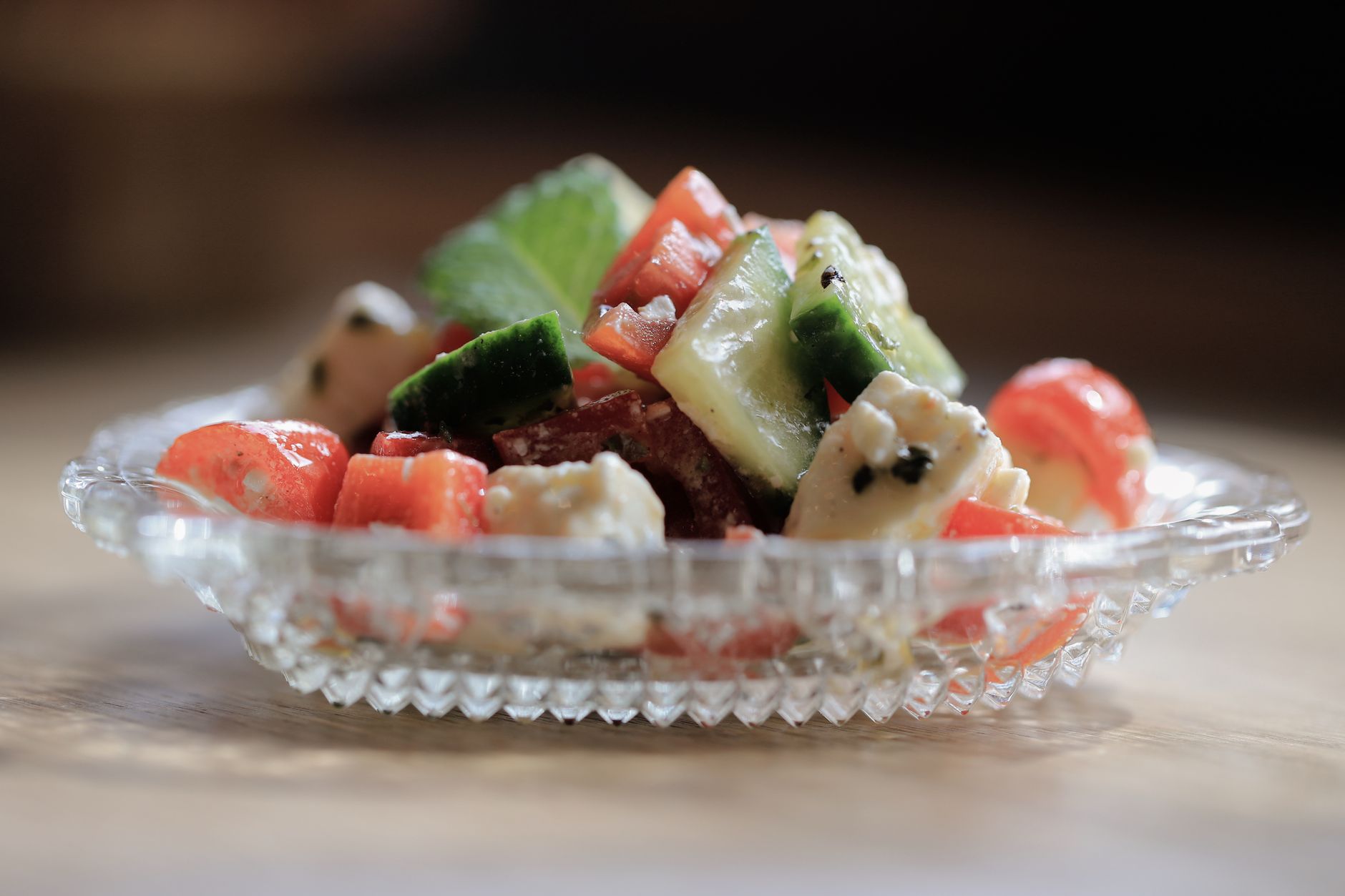
Feta cheese is a beloved ingredient in many culinary traditions, known for its crumbly texture and tangy flavor. A common question among health-conscious consumers is whether feta cheese is a good source of protein and how it fits into a balanced diet. Understanding its nutritional profile can help you make informed choices about incorporating this cheese into your meals.
This article explores the protein content of feta cheese, serving sizes, and how it compares to other cheeses. We’ll also look at its culinary uses and health benefits, making it easier to decide how to enjoy feta in your cooking and meal planning.
Does Feta Cheese Have Protein?
Yes, feta cheese does contain protein. On average, a serving of feta cheese (1 ounce or approximately 28 grams) provides around 4 grams of protein. This makes it a moderate protein source when compared to other types of cheese. However, its protein content can vary slightly depending on the specific brand or preparation method.
Nutritional Overview of Feta Cheese
Beyond protein, feta cheese offers other valuable nutrients. It’s important to understand these elements when considering it as part of your diet. Here’s a breakdown of the approximate nutritional profile for a 1-ounce (28-gram) serving of feta cheese:
- Calories: 75
- Protein: 4 grams
- Total Fat: 6 grams
- Carbohydrates: 1 gram
- Sodium: 319 mg
- Calcium: 14% of the Daily Value (DV)
- Phosphorus: 10% of the DV
As you can see, it is relatively low in carbohydrates and provides some essential vitamins and minerals, particularly calcium, which is important for bone health.
Types of Feta Cheese
Feta cheese can vary in terms of texture, flavor, and nutritional profile, based on its origin and production method. Here are a few common types:
Traditional Greek Feta
This authentic feta is made from sheep’s milk or a mixture of sheep and goat’s milk, providing a rich and tangy flavor. It typically has a higher fat content compared to other varieties.
Low-Fat Feta
Made with skim or low-fat milk, this variation contains less fat and fewer calories. While it is lower in calories, it may also have slightly less flavor and creaminess than traditional feta.
Processed Feta
Often found in store-bought varieties, processed feta may include additives and is usually made with cow’s milk. While it can be more affordable, the flavor and nutritional profile can differ significantly.
How Feta Cheese Fits into a Balanced Diet
Feta cheese can be a delightful addition to a balanced diet when used in moderation. Here are a few considerations when incorporating feta into your meals:
Protein Source
While feta cheese does have protein, it is essential to consider it as part of your overall protein intake for the day. Depending on your age, gender, and activity level, you may need anywhere from 46 to 56 grams of protein daily. Feta cheese can contribute to these needs, but it shouldn’t be your only source. Popular complements to feta include:
- Greek yogurt
- Chicken or turkey
- Chickpeas or lentils
- Quinoa
Serving Ideas
Feta cheese can enhance various dishes, adding flavor and nutrition. Consider the following ways to include feta in your meals:
- Crumbled over salads
- Mixed into pasta or grain salads
- Included in omelets or scrambled eggs
- Used in dips or spreads
- Paired with fruit like watermelon or figs
How to Select and Store Feta Cheese
Selecting high-quality feta cheese can enhance your dining experience. Here are some tips for choosing the best feta:
- Look for products labeled as “Greek” or “sheep’s milk” for traditional flavor.
- Check the ingredient list for minimal additives and preservatives.
- Opt for crumbly or block forms based on your intended use.
When it comes to storage, feta cheese should be kept in the refrigerator. Here are some storage recommendations:
- For opened feta, keep it submerged in its brine if possible; this can help maintain moisture and flavor.
- If storing for a longer period, you can place the cheese in an airtight container with a little olive oil or brine to keep it fresh.
- Use crumbled feta within a week of opening, and block feta can last for 5-7 days when properly stored.
Potential Allergies and Dietary Considerations
When incorporating feta cheeese into your diet, it is essential to consider any allergies or lactose intolerance. Here are some situations to keep in mind:
Lactose Intolerance
Feta cheese is lower in lactose compared to many other dairy products, making it tolerable for some individuals with lactose intolerance. However, reactions can vary, so it’s best to test your own tolerance.
Dietary Preferences
Feta cheese is often used in Mediterranean diets, which can be beneficial for heart health. Additionally, it is suitable for those following a pescatarian or vegetarian diet. However, some strict vegetarian diets may avoid cheese due to animal rennet, so always check labels to ensure compliance with your dietary needs.
Comparing Feta Cheese to Other Cheeses
To put feta’s protein content into perspective, it can be helpful to compare it to other popular cheeses:
| Type of Cheese | Protein (per 1 oz) |
|---|---|
| Feta Cheese | 4 grams |
| Cheddar Cheese | 7 grams |
| Mozzarella Cheese | 6 grams |
| Parmesan Cheese | 8 grams |
| Goat Cheese | 5 grams |
This comparison helps highlight that while feta cheese does contain protein, other cheeses may be higher in protein content. However, feta’s distinct flavor can enhance dishes in ways that other cheeses may not.
Common Culinary Applications of Feta Cheese
Feta cheese’s versatility makes it easy to incorporate into various recipes. Here are some classic and creative applications:
Salads
One of the most popular uses for feta is in salads, where its salty and tangy flavor complements the freshness of greens and vegetables. Try using feta in:
- Greek salad, with ingredients like tomatoes, cucumbers, olives, and red onion
- Spinach salad with strawberries for a sweet and savory twist
- Beet salad topped with walnuts and feta
Dips and Spreads
Feta makes for a delicious base in dips, providing creaminess and flavor. Consider these ideas:
- Feta and herb dip, combining feta with yogurt, garlic, and fresh herbs
- Feta cheese and roasted red pepper spread for a flavorful toast topping
- Classic tzatziki with yogurt, cucumber, and feta for a Mediterranean dip.
Main Dishes
Beyond salads and dips, feta can shine as a main ingredient. Here are some delightful suggestions:
- Stuffed peppers with quinoa, feta, and vegetables
- Feta and spinach stuffed chicken breast
- Pizza topped with feta, olives, and tomatoes for a Mediterranean flair.
Cooking Tips for Using Feta Cheese
When using feta cheese in your recipes, there are a few tips to consider for the best flavor and texture:
- Use crumbled feta for salads and toppings, but opt for blocks of feta for stuffing or baking.
- Feta can be baked in dishes like casseroles, where it melts but retains some form. This can create a creamy, flavorful element.
- Pair feta with sweet ingredients like honey or fruit to balance its saltiness.
- Store opened feta in its brine or olive oil to retain its moisture and flavor longer.
Final Thoughts on Feta Cheese
Feta cheese is not only a delicious addition to a wide variety of dishes, but it also provides a moderate amount of protein along with other essential nutrients. With its unique flavor profile and culinary versatility, feta is a cherished ingredient in many kitchens. Whether used in salads, main dishes, or spreads, feta cheese can elevate your meals and contribute to a balanced diet.
As you explore incorporating feta cheese into your recipes, consider checking out related topics like the protein content of bone broth and the protein in spinach for a more comprehensive view of nutrition in your meals.