
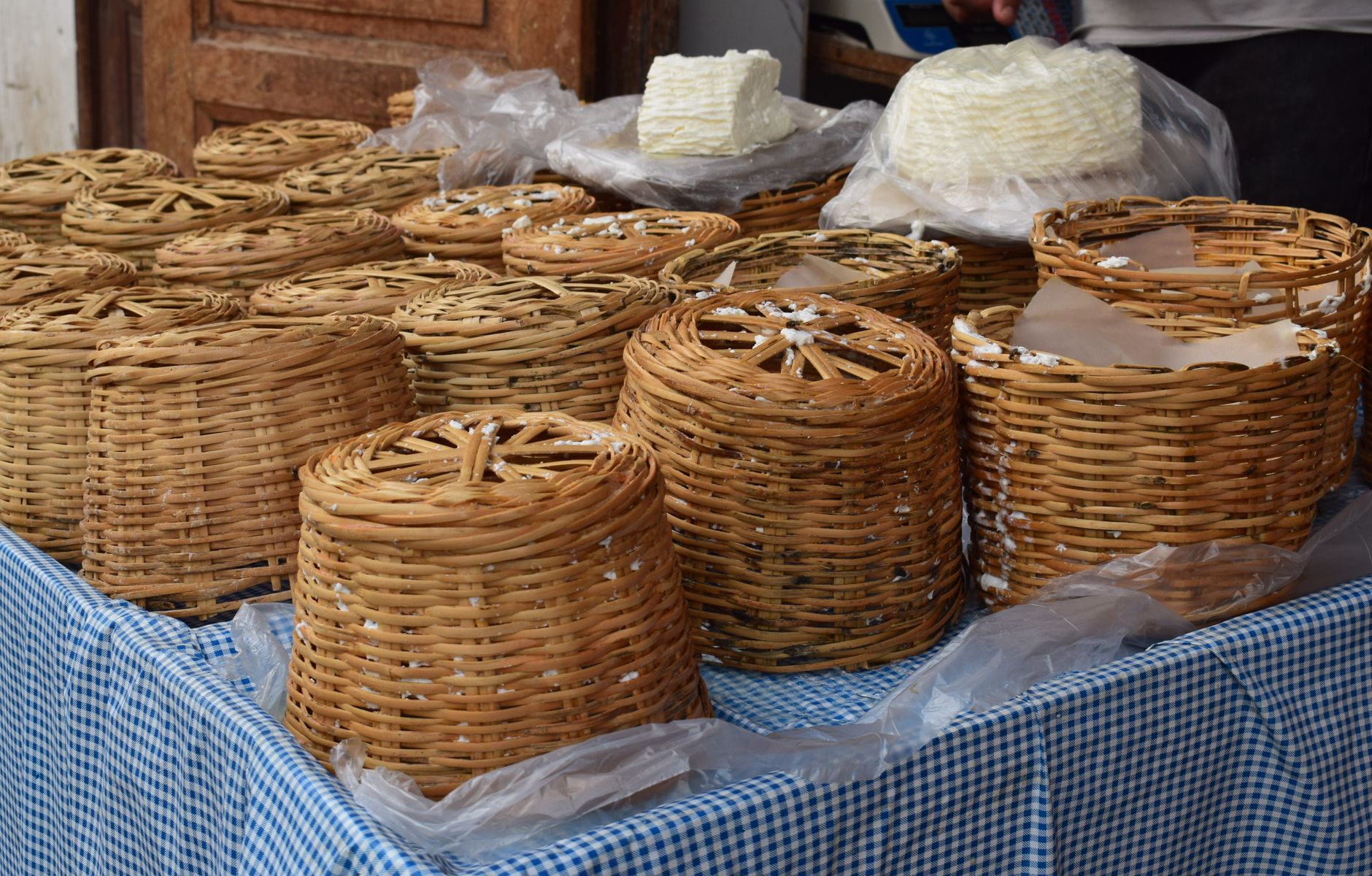
Farmers cheese and cottage cheese are two creamy dairy products that often spark confusion among home cooks and food lovers. Both can be used in a variety of dishes, but they differ in texture, taste, and culinary uses. Understanding these differences will help you make the best choices for your cooking needs.
This article will explore the unique characteristics of farmers cheese and cottage cheese, emphasizing their uses in recipes, nutritional profiles, and how you can substitute one for the other. By the end, you’ll have a clearer understanding of these cheeses and how to incorporate them into your meals.
Is Farmers Cheese the Same As Cottage Cheese?
No, farmers cheese is not the same as cottage cheese. Although they are both fresh cheeses made from curds, they have distinct textures and flavors. Farmers cheese is drier, firmer, and often slightly more tangy than cottage cheese, which tends to be creamier with a milky flavor. Both cheeses can be used interchangeably in some recipes, but their unique properties may lead to different results.
Understanding Farmers Cheese
Farmers cheese is a fresh cheese made by curdling milk, draining the whey, and pressing the curds for a firmer texture. It is typically less creamy than cottage cheese and has a crumbly consistency. Because it retains less moisture, farmers cheese has a longer shelf life and can be stored for several weeks when properly refrigerated.
The flavor of farmers cheese is mild and slightly tangy, making it versatile for both sweet and savory dishes. It is often used in recipes such as cheese spreads, blintzes, and stuffed pasta. Farmers cheese can also be enjoyed on its own, paired with fruits or used as a topping for salads.
Nutritional Profile
Farmers cheese is lower in fat than many other cheeses and contains a good amount of protein. A typical serving of farmers cheese (about 1/4 cup) provides approximately:
- Calories: 100
- Protein: 14 grams
- Fat: 5 grams
- Carbohydrates: 2 grams
- Calcium: 10% of the daily recommended intake
This nutritional profile makes farmers cheese a popular choice for those looking to add protein to their diet without excessive fat.
Understanding Cottage Cheese
Cottage cheese, on the other hand, is made by curdling milk to form curds, then draining some of the whey while leaving some moisture in. This results in a creamy and lumpy texture that distinguishes it from farmers cheese. Cottage cheese is generally milder in flavor, with a taste that is neutral and a bit milky.
Cottage cheese is particularly popular as a snack or breakfast option. It can be eaten plain, mixed with fruit or honey, or used as an ingredient in dishes like lasagna or pancakes. The creaminess and slight saltiness of cottage cheese make it a versatile choice for a range of meals.
Nutritional Profile
One serving of cottage cheese (about 1/2 cup) typically contains:
- Calories: 110
- Protein: 14 grams
- Fat: 5 grams
- Carbohydrates: 6 grams
- Calcium: 6% of the daily recommended intake
While cottage cheese is higher in carbohydrates than farmers cheese, it still provides significant protein, making it a popular choice among those looking to maintain a high-protein diet.
Culinary Uses for Farmers Cheese
Farmers cheese can be utilized in diverse ways, thanks to its unique texture and flavor. Here are some popular culinary applications:
- Stuffed Dishes: Farmers cheese is an excellent filling for blintzes, dumplings, and stuffed pasta like ravioli or cannelloni.
- Salads: Crumbled farmers cheese can add a delightful tang to salads, pairing well with fruits, nuts, and vinaigrettes.
- Baking: Incorporate farmers cheese into savory pastries, quiches, or cheesecakes for a flavorful twist.
- Spreads: Mix farmers cheese with herbs, spices, or vegetables for a spreadable dip or topping for crackers and bread.
Culinary Uses for Cottage Cheese
Cottage cheese shines in recipes that benefit from its creaminess. Here are ways to incorporate it into your meals:
- Breakfast Bowls: Add cottage cheese to oatmeal, smoothies, or parfaits for a creamy texture and added protein.
- Baking: Use cottage cheese in pancakes, muffins, or bread to enhance moisture and create a light texture.
- Snacks: Pair cottage cheese with fruits, nuts, or honey for a nutritious and satisfying snack.
- Salads: Top salads with cottage cheese for an added creaminess or include it in pasta salads.
Substituting Farmers Cheese for Cottage Cheese
If you find yourself with farmers cheese and a recipe that calls for cottage cheese, you can make the substitution, but keep a few points in mind:
- Texture: Farmers cheese is drier and crumbly, while cottage cheese is creamy and lumpy. For a smoother consistency, consider blending farmers cheese briefly.
- Moisture Content: If using farmers cheese in a recipe that relies on cottage cheese’s moisture (like dips or baked goods), you may need to add a little milk or yogurt to achieve the desired creaminess.
- Flavor Adjustment: Farmers cheese has a slightly tangier flavor compared to cottage cheese. Depending on the recipe, you might want to adjust seasoning or add a bit of sugar for sweet dishes.
Substituting Cottage Cheese for Farmers Cheese
Conversely, if you need farmers cheese but only have cottage cheese on hand, here’s how to substitute:
- Drain Excess Moisture: Cottage cheese contains more moisture; draining it can help mimic the texture of farmers cheese.
- Blend for Texture: For a closer match to farmers cheese, blend cottage cheese briefly to remove some lumps and create a smoother consistency.
- Flavor Assessment: Due to the creaminess and saltiness of cottage cheese, you may need to make slight adjustments in seasoning for savory dishes.
Common Mistakes to Avoid
Whether using farmers cheese or cottage cheese, some common pitfalls can affect your dish:
- Not accounting for texture differences when substituting: Always ensure that the substitution aligns with the desired texture of the dish.
- Ignoring moisture content: Both cheeses have different moisture levels; adjust the recipe accordingly if required.
- Failing to season properly: Both cheeses have unique flavors, and not adjusting seasoning may lead to a bland dish.
Recipes That Highlight Farmers Cheese
To showcase the versatility of farmers cheese, here are two recipe ideas:
Farmers Cheese Blintzes
- Ingredients:
- 1 cup farmers cheese
- 1 egg yolk
- 1 tablespoon granulated sugar
- 1/2 teaspoon vanilla extract
- 8 crepes (store-bought or homemade)
- Butter for frying
- In a bowl, combine farmers cheese, egg yolk, sugar, and vanilla until smooth.
- Place a generous spoonful of the filling in the center of each crepe and fold tightly.
- Heat butter in a skillet over medium heat and cook the filled crepes until golden brown on each side.
- Serve with fruit or a dusting of powdered sugar.
Farmers Cheese Salad
- Ingredients:
- 1 cup farmers cheese
- 2 cups mixed salad greens
- 1/2 cup cherry tomatoes, halved
- 1/4 cup sliced cucumbers
- 1/4 cup nuts (walnuts or pecans)
- Vinaigrette dressing of choice
- In a large bowl, toss together salad greens, tomatoes, cucumbers, and nuts.
- Top with crumbled farmers cheese and drizzle with vinaigrette before serving.
Recipes That Highlight Cottage Cheese
Here are two recipes that highlight the creamy nature of cottage cheese:
Cottage Cheese Pancakes
- Ingredients:
- 1 cup cottage cheese
- 1 cup flour
- 2 eggs
- 1 tablespoon sugar
- 1 teaspoon baking powder
- 1/4 teaspoon salt
- Butter for cooking
- In a mixing bowl, combine cottage cheese, flour, eggs, sugar, baking powder, and salt.
- Heat a skillet over medium heat and melt butter.
- Pour batter onto the skillet and cook until bubbles form, then flip and cook until golden brown on both sides.
Cottage Cheese Fruit Bowl
- Ingredients:
- 1 cup cottage cheese
- 1 cup mixed fruits (berries, banana, or peach)
- 1 tablespoon honey or maple syrup
- 1/4 teaspoon cinnamon (optional)
- In a bowl, layer cottage cheese with mixed fruits.
- Drizzle with honey or syrup and sprinkle cinnamon on top.
Storage and Shelf Life
Proper storage is crucial for both farmers cheese and cottage cheese to maintain freshness:
- Farmers cheese should be stored in an airtight container in the refrigerator and can last up to two weeks, depending on its freshness when purchased.
- Cottage cheese should also be kept in an airtight container. Once opened, it is best consumed within 5 to 7 days for optimal freshness.
Both cheeses can be frozen, but this may affect their texture. If freezing, they are best used in cooked dishes after thawing.
Conclusion
Understanding the differences and similarities between farmers cheese and cottage cheese opens up a world of culinary possibilities. While they share similarities as fresh cheeses, their distinct textures and flavors make them suitable for various dishes. Adjust your recipes and enjoy experimenting with these versatile ingredients!
Explore related recipes and techniques to enhance your cooking skills. Check out the farmers cheese recipe for something new and delicious, or try making cottage cheese brownies for a unique dessert.