
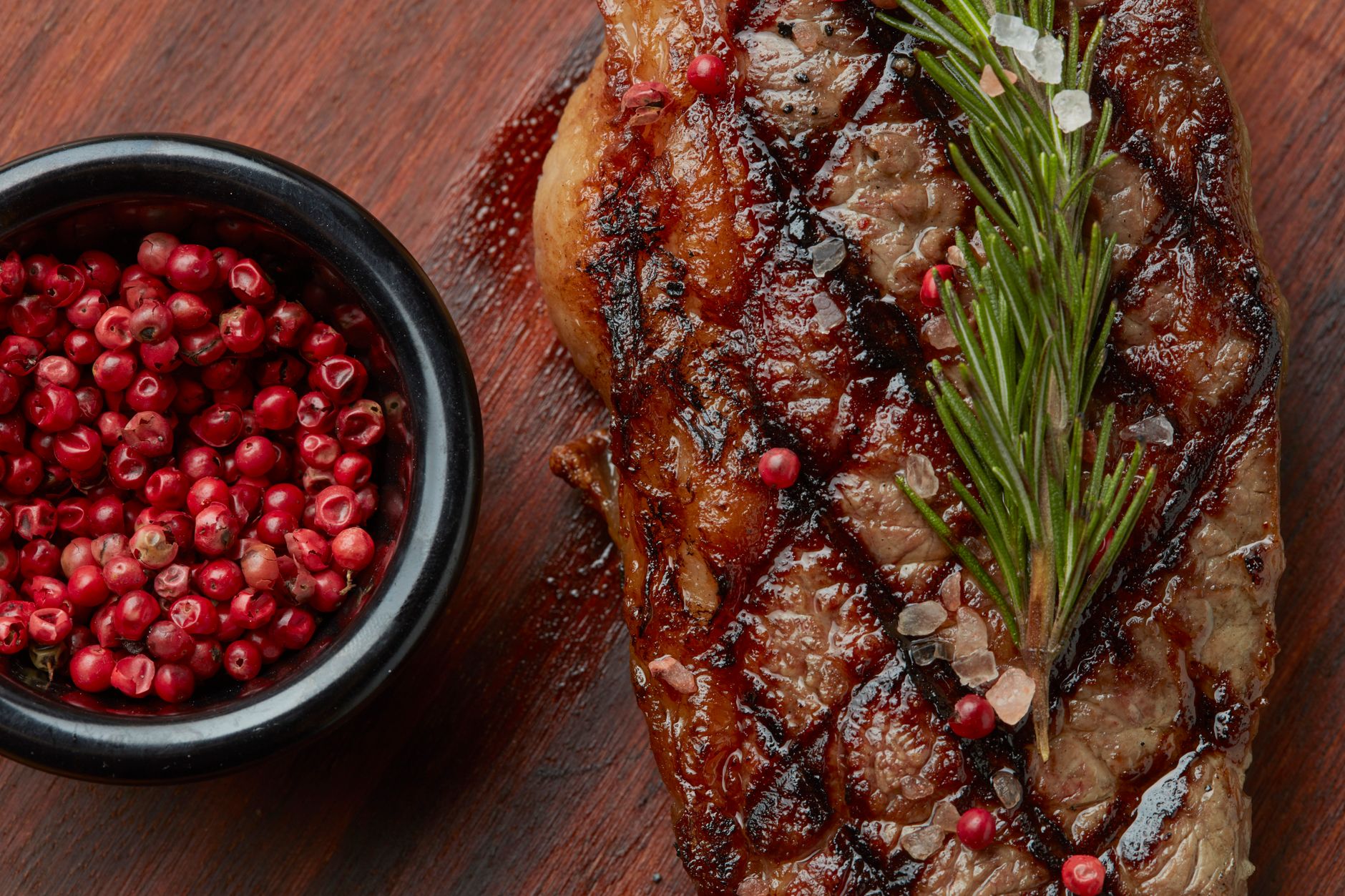
Understanding the carbohydrate content in steak is essential for those managing dietary intake, especially for low-carb diets or meal planning. Steak, a popular protein choice, is often featured in various cuisines around the world. This article will investigate the carbohydrate content in steak, provide nutrition facts, and detail serving sizes to help you make informed decisions.
We will explore the types of steak, their characteristics, and other nutritional components like protein and fats. Additionally, you’ll find tips on how to select and cook steak, further emphasizing its role in a balanced diet.
How Many Carbs in Steak?
Steak is considered a low-carb food, typically containing less than 1 gram of carbohydrate per serving. Therefore, when you’re aiming to minimize your carb intake, steak is an excellent protein choice. However, the overall nutrition varies among different cuts, so it is essential to be aware of those differences.
Understanding Different Cuts of Steak
Steaks come in many cuts, and each has a unique flavor, texture, and nutritional profile. Here are some of the most popular types:
- Filet Mignon: A tender cut from the tenderloin, it has a mild flavor and a very tender texture.
- Ribeye: Known for its marbling, this cut is flavorful and juicy, making it a favorite for grilling.
- New York Strip: A well-marbled cut from the short loin, it is both tender and flavorful.
- Sirloin: A moderately tender and lean cut that offers a great flavor at a relatively lower price point.
- T-Bone: Combines both the New York strip and filet mignon, providing a taste of both cuts.
- Flank: A long, flat cut with strong beef flavor, ideal for marinating and grilling.
- Flat Iron: A relatively new cut, it’s flavorful from the shoulder and brings a nice tenderness.
Nutritional Breakdown of Steak
To fully understand steak’s nutritional profile, let’s examine its constituents beyond just carbohydrates. Below, we present an overview of common nutrition facts for a 3-ounce cooked portion of steak:
| Nutrient | Amount |
|---|---|
| Calories | 180-250 (varies by cut) |
| Protein | 22-30 grams |
| Fat | 10-20 grams |
| Carbohydrates | 0-1 gram |
| Iron | 2.1-2.7 mg |
| Zinc | 5.0-8.0 mg |
As observed, steak is rich in protein while being incredibly low in carbohydrates. This carbohydrate content is nearly negligible, making steak an ideal protein source for those on a low-carb or ketogenic diet.
Essential Vitamins and Minerals in Steak
In addition to its macronutrient content, steak is a good source of essential vitamins and minerals:
- Vitamin B12: Important for nerve function and the production of DNA and red blood cells.
- Iron: Vital for transporting oxygen in the blood, helping to prevent anemia.
- Zinc: Crucial for immune function, DNA synthesis, and wound healing.
- Niacin (Vitamin B3): Supports metabolism and healthy skin.
How to Choose the Right Steak
Selecting the right cut of steak can enhance your dining experience. Here are some tips to consider:
- Marbling: Look for cuts with marbling or fat veins, as this often means more flavor and tenderness.
- Color: A good steak should be a bright cherry red, indicating freshness.
- Thickness: A thicker cut will generally retain juiciness better than a thinner one.
- Expiration Date: Always check the sell-by date and inspect for any signs of spoilage.
Cooking Techniques for Steak
How you cook steak can greatly affect its flavor and texture. Below are some popular methods for preparing steak:
Grilling
Grilling steak enhances its natural flavors, producing a delicious char. Here’s how to do it:
- Preheat your grill to medium-high heat.
- Season the steak with salt and pepper or your preferred steak seasoning.
- Place the steak on the grill, cooking for 4-6 minutes on each side for medium-rare, depending on thickness.
- Use a meat thermometer; the internal temperature should reach 130-135°F.
- Remove the steak and allow it to rest for 5-10 minutes before slicing.
Pan-Seared
This method allows for a great crust on the steak. Here are the steps:
- Heat a heavy skillet over high heat and add a splash of oil.
- Season the steak generously with salt and pepper.
- Add the steak to the skillet and cook for about 3-5 minutes on each side for medium-rare.
- Check the internal temperature; aim for 130-135°F.
- Let it rest after cooking to allow the juices to redistribute.
Oven-Roasting
This technique creates an evenly cooked steak. Follow these steps:
- Preheat your oven to 375°F.
- Season the steak and place it in a hot, oven-safe pan on the stovetop to sear both sides for 2-3 minutes.
- Transfer the pan to the oven and roast for about 10-15 minutes until the desired doneness is reached.
- Remove from the oven and let it rest before serving.
Common Mistakes to Avoid
Here are some common pitfalls to watch for when cooking steak:
- Not letting the steak come to room temperature before cooking. This helps it cook evenly.
- Using a dull knife to slice steak. Use a sharp knife to make clean cuts.
- Cutting meat against the grain leads to tougher bites. Always cut against the grain for more tenderness.
- Overcooking results in tough, dry steak. Use a thermometer to avoid this mistake.
Storage and Reheating Tips
Proper storage and reheating can extend the life of cooked steak. Follow these guidelines:
- Date and wrap leftovers properly to ensure safety and retain moisture.
- Store cooked steak in the refrigerator for up to 3-4 days.
- For longer preservation, consider freezing, which can maintain quality for 3-6 months.
- To reheat, place the steak in a skillet over low heat or in the oven at a low temperature, ensuring it warms without drying out.
Conclusion
Steak is a delicious, low-carb protein option that provides a wealth of nutrients. Understanding its carbohydrate content and nutritional profile can assist in maintaining a balanced diet. When prepared correctly, steak can be tender, flavorful, and a highlight of any meal. Consider incorporating various cooking methods and cuts to diversify your dining experience.
For more information about the Flat Iron steak, check out what-is-a-flat-iron-steak. If you want to enhance your steak with homemade flavors, you can refer to this steak seasoning recipe.