
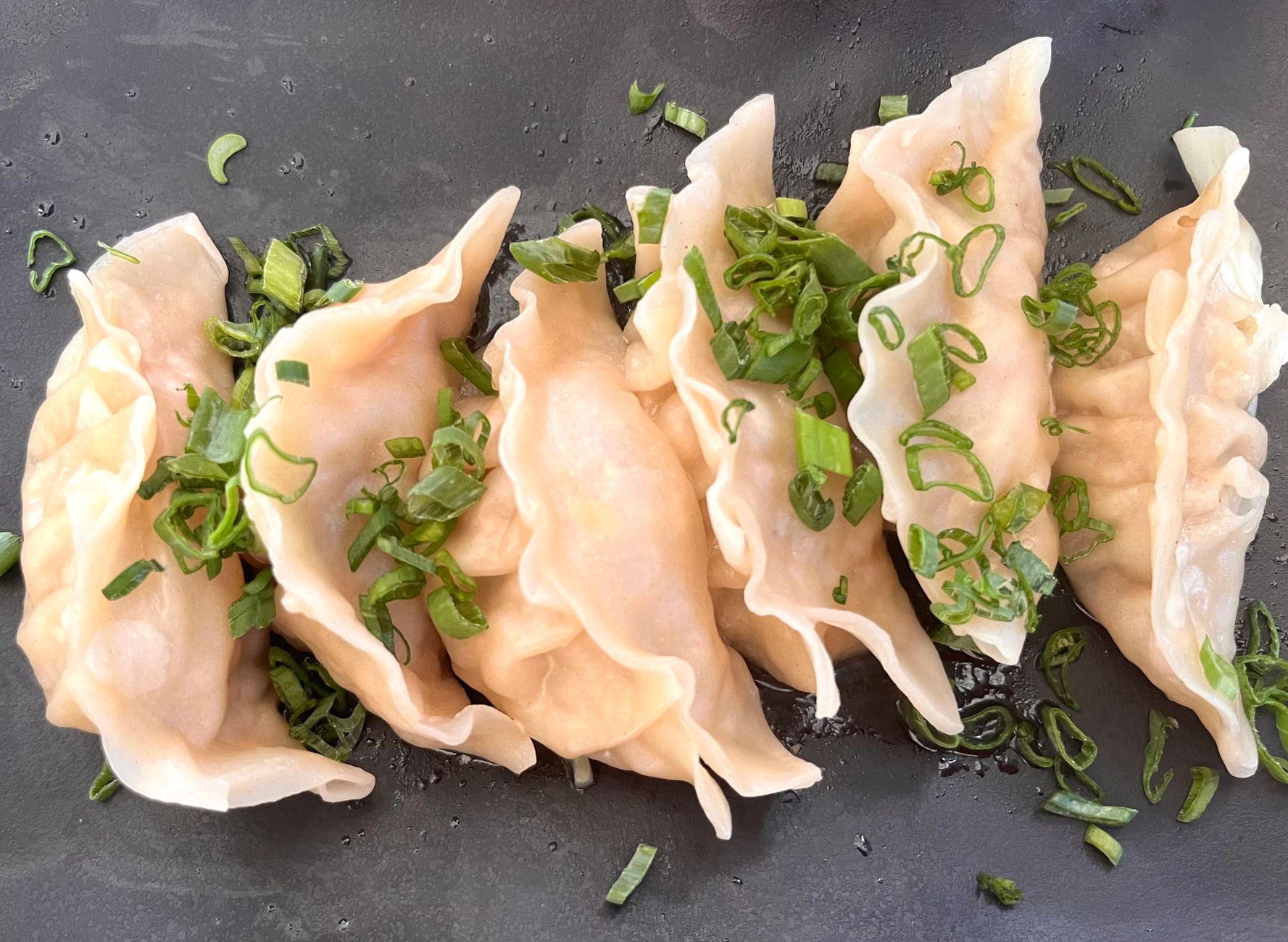
Dumplings are a versatile and comforting dish found in various cuisines around the world. Whether you’re craving fluffy, savory bites filled with meat and vegetables or thin-skinned pockets of joy ready to be steamed or boiled, homemade dumplings can be a delightful project in the kitchen. Making dumplings from scratch allows for custom flavors, fillings, and preparations that store-bought options just can’t match.
This comprehensive guide will walk you through the process of making homemade dumplings, including a straightforward recipe, essential preparation tips, and useful variations to suit your taste. Get ready to create a satisfying meal that’s perfect for family gatherings, weeknight dinners, or special occasions!
How Do You Make Homemade Dumplings?
Making homemade dumplings involves preparing the dough, creating fillings, and then cooking them using your preferred method. Whether you choose to boil, steam, or pan-fry your dumplings, you’ll end up with a delicious treat perfect for any meal.
Recipe Overview
Here’s a quick overview of what to expect:
- Yield: Approximately 24 dumplings
- Preparation Time: 30 minutes
- Cooking Time: 20 minutes
- Total Time: 50 minutes
Ingredients
For the Dumpling Dough
- 2 cups all-purpose flour
- ¾ cup boiling water
- 1 tablespoon vegetable oil
- ½ teaspoon salt
For the Filling
You can customize the filling based on your preferences. Here’s a basic meat and vegetable filling:
- 1 cup ground pork (or chicken, beef, or tofu)
- 1 cup finely chopped cabbage
- ½ cup finely chopped green onions
- 1 tablespoon soy sauce
- 1 teaspoon sesame oil
- 1 teaspoon ginger, grated
- 1 clove garlic, minced
- Salt and pepper to taste
Essential Equipment
- Large mixing bowl
- Rolling pin
- Cutting board
- Knife
- Steamer basket or large pot for boiling
- Skillet (if pan-frying)
- Measuring cups and spoons
Step-by-Step Dumpling Method
- Prepare the Dumpling Dough: In a large mixing bowl, combine the flour and salt. Gradually add the boiling water while stirring with a fork to create a shaggy dough. Once cooled enough to handle, knead the dough on a floured surface for about 5 minutes until smooth. Cover with a damp cloth and let it rest for 30 minutes.
- Make the Filling: In a separate bowl, mix the ground meat, cabbage, green onions, soy sauce, sesame oil, ginger, garlic, salt, and pepper. Stir well until all ingredients are combined.
- Roll Out the Dough: Divide the resting dough into four equal portions. Take one portion and roll it out on a lightly floured surface until thin (about 1/8 inch thick). Use a round cutter or glass (about 3 inches in diameter) to cut out circles.
- Fill the Dumplings: Place about 1 tablespoon of filling in the center of each dough circle. Moisten the edges with a bit of water, fold the dough over the filling to create a half-moon shape, and pinch the edges tightly to seal. You can also pleat the edges for a decorative touch.
- Cook the Dumplings: You can choose one of the following cooking methods:
- Boiling: Bring a large pot of salted water to a boil. Add the dumplings in batches and cook for 4-6 minutes or until they float to the surface. Remove them with a slotted spoon.
- Steaming: Place dumplings in a steamer basket lined with parchment paper. Steam over boiling water for about 15 minutes until cooked through.
- Pan-frying: Heat a little oil in a skillet over medium heat. Add the dumplings and cook for 2-3 minutes until browned on the bottom. Add about ½ cup of water to the skillet, cover, and cook for 6-8 minutes until the water evaporates and the dumplings are cooked through.
- Serve: Serve the dumplings hot with your favorite dipping sauce (see our guide on dumpling dipping sauces for ideas).
Practical Tips for Making Dumplings
Common Mistakes
- Dough Too Sticky: If your dough is sticky, add a little more flour as you knead it. This will help achieve the right texture.
- Poorly Sealed Dumplings: Be sure to moisten the edges with water when sealing. Well-closed dumplings are less likely to break during cooking.
- Overfilling: Use just enough filling to allow the dumplings to seal properly. Overfilling makes them difficult to close and can lead to bursting.
Make-Ahead and Storage
– Dumplings can be made ahead and stored before cooking. Layer them on a baking sheet and freeze them until solid. Once frozen, transfer them to a zip-top bag for longer storage.
– Uncooked dumplings can be stored in the freezer for up to three months.
– To cook frozen dumplings, simply add a couple more minutes to the cooking time without thawing.
Flavor and Texture Variations
Exploring different ingredients and methods can lead to endless variations of dumplings:
Filling Variations
- Vegetarian Option: Substitute ground meat with finely chopped mushrooms, tofu, or lentils for a plant-based filling.
- Seafood Dumplings: Replace meat with minced shrimp, crab, or a mixture of both. Add some chopped cilantro for freshness.
- Dumplings with Bold Flavors: Incorporate ingredients like chili paste, garlic chives, or fermented black beans into your filling.
Dough Variations
– For a more elastic dough, consider using “00” flour, which is used in many Asian recipes.
– Adding a small amount of spinach juice or beet juice to the dough can create visually stunning colored dumplings.
Serving Suggestions
Dumplings are versatile and can be served in various ways:
- With Dipping Sauces: A classic soy sauce mixture or a spicy chili oil works wonderfully.
- In Soup: Add cooked dumplings to broth or soup for a hearty meal.
- As a Side Dish: Serve alongside steamed vegetables or a light salad for a balanced meal.
Storage and Reheating Guidelines
For leftover cooked dumplings, allow them to cool completely, then store them in an airtight container in the refrigerator. They will generally last for up to three days.
To reheat:
– Steamed dumplings can be reheated quickly in a steamer.
– For pan-fried dumplings, reheat in a skillet over medium heat with a small amount of water to create steam.
– Boiled dumplings can be briefly boiled again, but take care to avoid overcooking.
Conclusion
Homemade dumplings are a delightful culinary project, offering an opportunity to customize flavors and fillings that suit your preferences. With a straightforward recipe and helpful tips, making your own dumplings in the comfort of your kitchen can be both enjoyable and rewarding.
For your next cooking adventure, why not try your hand at these delicious homemade dumplings? You might even want to pair them with a unique dumpling dipping sauce to enhance the experience!
If you’re interested in more recipes and cooking tips, explore our Cracker Barrel Chicken and Dumplings Recipe or learn how to make a delicious Dumpling Dipping Sauce.