
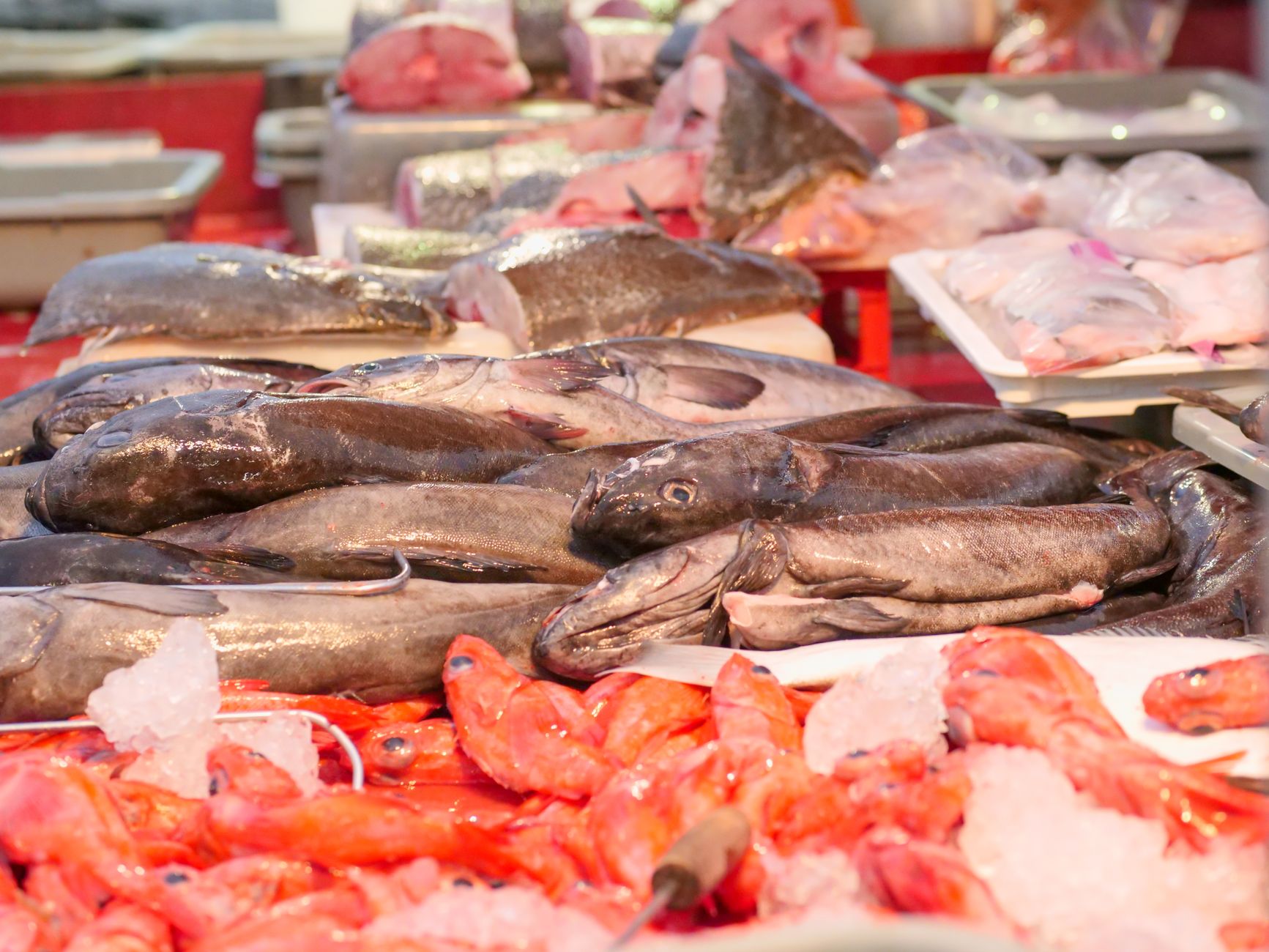
Choosing the right fish for your meals can significantly impact both flavor and health benefits. With many varieties to choose from, understanding which fish are best for eating involves considering sustainability, taste, and culinary uses. This guide will introduce you to some of the best fish to eat, along with their unique characteristics and how to prepare them.
Whether you are looking for options for a healthy dinner or a tasty seafood dish for special occasions, this article will help you navigate through the ocean of options available. From versatile species to those with distinctive flavors, let’s dive into the world of fish.
What Are the Best Fish to Eat?
The best fish to eat are those that are sustainable, tasty, and rich in nutrients. These include salmon, sardines, trout, mackerel, cod, and tilapia, among others. Each fish has its unique flavor profile and culinary uses, making them suitable for various recipes and preparations.
The Best Types of Fish
When evaluating the best fish to eat, we can categorize them based on taste, texture, cooking methods, and health benefits. Here are some top contenders, with valuable insights into their characteristics:
1. Salmon
Salmon is often considered one of the best fish due to its rich flavor and high omega-3 fatty acid content. It has a fleshy texture and can be grilled, baked, or pan-seared. Wild-caught salmon is particularly favored for its superior taste and nutritional profile compared to farmed varieties.
- Cooking Methods: Grilling, baking, broiling, or pan-frying.
- Culinary Uses: Salads, sushi, pasta dishes, or as a standalone entrée.
2. Sardines
Sardines are small, oily fish that are packed with nutrients, including omega-3 fatty acids, vitamin B12, and selenium. They are often available canned but can also be grilled or baked. Sardines are a budget-friendly option with a bold flavor that can elevate many dishes.
- Cooking Methods: Grilling, baking, or eating straight from the can.
- Culinary Uses: Toppings for toast, pasta dishes, or mixed in salads.
3. Trout
Trout, particularly rainbow trout, is a freshwater fish known for its delicate flavor and flaky texture. It’s generally milder than salmon, making it versatile for various dishes. Trout is also a sustainable choice, especially when sourced responsibly from farms.
- Cooking Methods: Baking, grilling, or pan-frying.
- Culinary Uses: Served whole or as fillets, paired with fresh herbs or lemon.
4. Mackerel
Mackerel is another oily fish known for its strong flavor and high omega-3 content. It is typically richer and fattier than other fish, making it ideal for grilling and smoking. Its distinct taste pairs well with bold seasonings.
- Cooking Methods: Grilling, smoking, or broiling.
- Culinary Uses: Served in salads, spreads, or alongside grains.
5. Cod
Cod is a widely popular white fish with a mild flavor and flaky texture. It is a versatile ingredient in many cuisines and comes in both Atlantic and Pacific varieties. Cod is lower in fat compared to oily fish but still provides a good amount of protein.
- Cooking Methods: Baking, frying, or in stews.
- Culinary Uses: Fish and chips, chowders, or baked with vegetables.
6. Tilapia
Tilapia is a mild-flavored white fish that has gained popularity for its versatility and affordability. Farm-raised tilapia is widely available and can be cooked in various ways, making it suitable for both beginners and experienced cooks.
- Cooking Methods: Baking, grilling, or frying.
- Culinary Uses: Fish tacos, stir-fries, or lemon-butter dishes.
Health Benefits of Eating Fish
Incorporating fish into your diet offers numerous health benefits. Here are some reasons to include these varieties in your meals:
- Rich in Nutrients: Fish is an excellent source of high-quality protein, essential vitamins, and minerals.
- Heart Health: Oily fish like salmon and mackerel are high in omega-3 fatty acids, which are known to support heart health.
- Cognitive Function: Omega-3 fatty acids found in fish may also benefit brain health and function.
- Bone Health: Fish provides essential nutrients like vitamin D and calcium, which are crucial for bone health.
Choosing Sustainable Fish
When purchasing fish, sustainability should be a key consideration. Overfishing has led to the decline of various fish populations, and choosing sustainable options supports responsible fishing practices. Here are a few tips for selecting sustainable fish:
- Look for certifications from organizations like the Marine Stewardship Council (MSC) or the Aquaculture Stewardship Council (ASC).
- Research the fish species you plan to buy and ensure they are non-endangered.
- Consider local fish markets, which may sell fish caught or farmed in environmentally friendly practices.
How to Cook Fish: Techniques and Tips
Cooking fish can be straightforward if you understand the various techniques. Here’s a breakdown of some popular methods to prepare fish, ensuring a delicious outcome every time:
Baking
Baking is one of the simplest and healthiest ways to prepare fish. It involves cooking the fish in the oven, resulting in a tender and flaky texture.
- Preheat your oven to 400°F (200°C).
- Prepare a baking dish by lightly greasing it.
- Place the fish fillet for baking, seasoning it with herbs, spices, and a drizzle of olive oil.
- Bake for about 15-20 minutes, depending on the thickness of the fish. It’s done when it flakes easily with a fork.
Grilling
Grilling adds a beautiful smoky flavor to fish. It’s suitable for thicker fillets like salmon and whole fish.
- Preheat the grill to medium-high heat.
- If using fillets, oil the grill grates to prevent sticking.
- Season the fish and place it directly on the grill. Grill for about 5-7 minutes per side, depending on thickness.
- The fish is ready when it’s opaque and flakes easily.
Pan-Searing
This method gives fish a delightful crispy exterior while keeping the inside tender. It’s excellent for fish like trout or tilapia.
- Heat a tablespoon of oil in a non-stick or cast-iron skillet over medium-high heat.
- Season the fish and place it in the skillet. Sear for about 4-5 minutes on each side until golden brown.
- Check for doneness by ensuring it flakes easily with a fork.
Steaming
Steaming is a healthy cooking method that retains nutrients while keeping fish moist. It’s ideal for delicate fish varieties.
- Fill a pot with water and bring it to a simmer.
- Place the fish on a steaming rack above the simmering water, seasoning as desired.
- Cover and steam the fish for about 8-10 minutes until cooked through.
Common Mistakes When Cooking Fish
Cooking fish can be simple, but certain mistakes can lead to undesired results. Here are some common pitfalls to avoid:
- Overcooking: Fish can become dry and tough if overcooked. Always monitor cooking times and check for doneness.
- Not adequately seasoning: Fish benefits from seasoning; a lack of flavor can result in a bland dish.
- Skipping the cleaning process: Properly cleaning and preparing fish ensures a better end product.
Storage and Reheating Fish
Storing and reheating fish properly is crucial to preserve its flavor and safety. Here are some tips:
- Store raw fish in the coldest part of your refrigerator and consume within 1-2 days of purchase.
- Cooked fish can be stored in an airtight container in the refrigerator for up to three days.
- When reheating, ensure the fish reaches an internal temperature of 145°F (63°C) to be safe for consumption.
Creative Ways to Use Fish in Your Cooking
Fish can be incredibly versatile, fitting seamlessly into diverse dishes. Here are a few creative ideas for using the fish you choose:
- Make fish tacos with tilapia or cod, topped with fresh salsa and cabbage.
- Prepare a hearty fish stew using cod and pairing it with tomatoes, onions, and spices.
- Incorporate grilled salmon into salads for a protein boost.
- Try sushi rolls with fresh slices of salmon or tuna paired with vegetables and rice.
Conclusion
As you can see, choosing from the best fish to eat involves understanding their flavor profiles and culinary uses, while also being mindful of sustainability. Whether preparing a simple baked fish or an elaborate seafood dish, your choice should reflect both taste preferences and health benefits.
Explore various cooking methods to master fish preparation and enjoy the bounty of the ocean in your meals. Consider incorporating recipes such as tilapia or learning more about cooking fresh fish for your next culinary adventure.